
Last updated August 27, 2026
Free in-home measure and quote - PGT, CGI and CWS impact lines compared on your actual openings, style by style
Sliding glass doors
PGTCGI
 Before
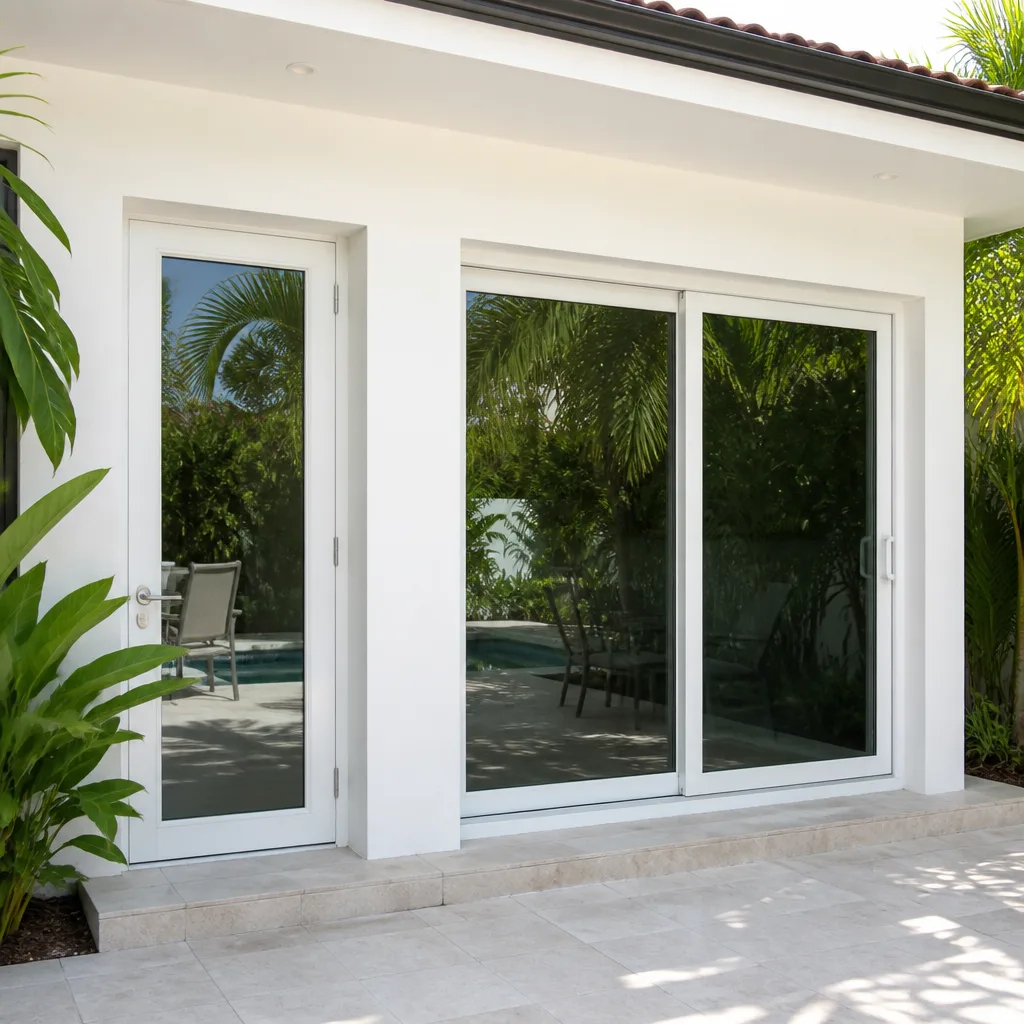 After
After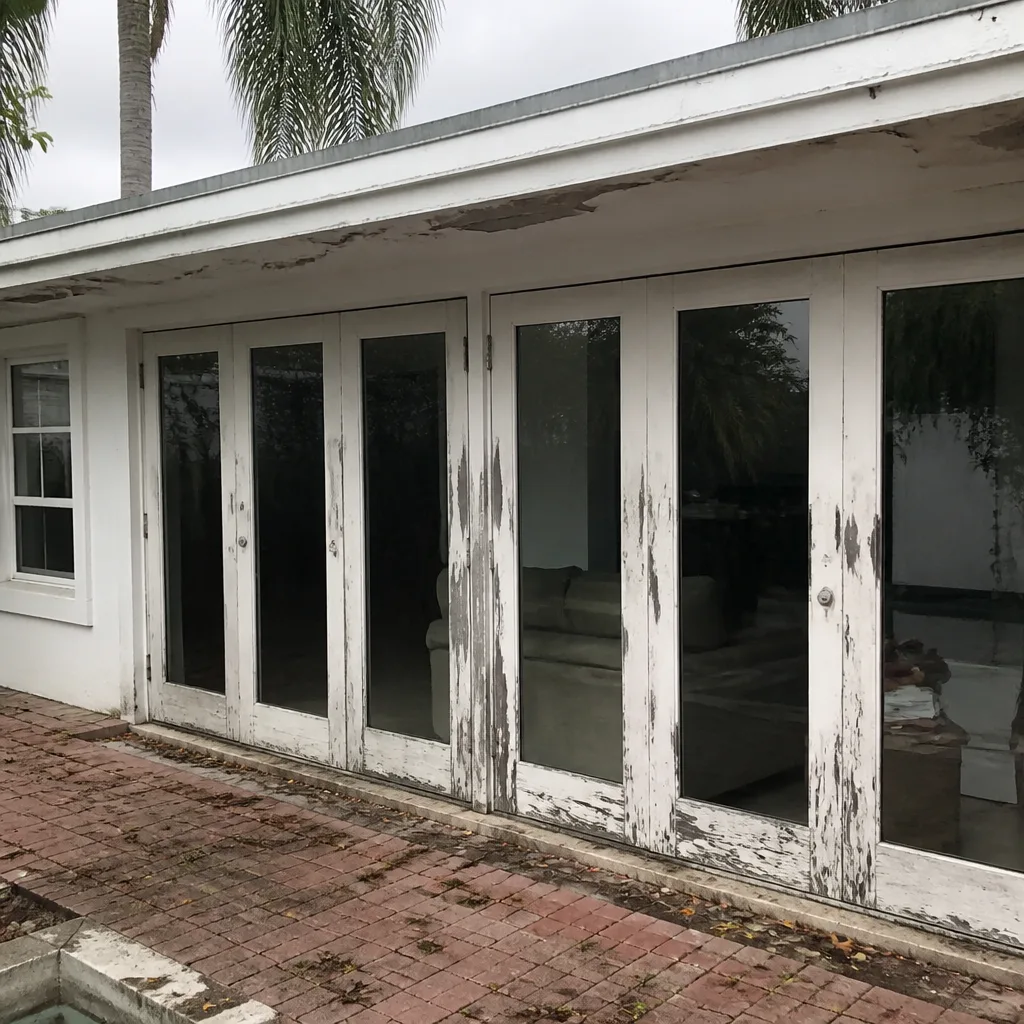 Before
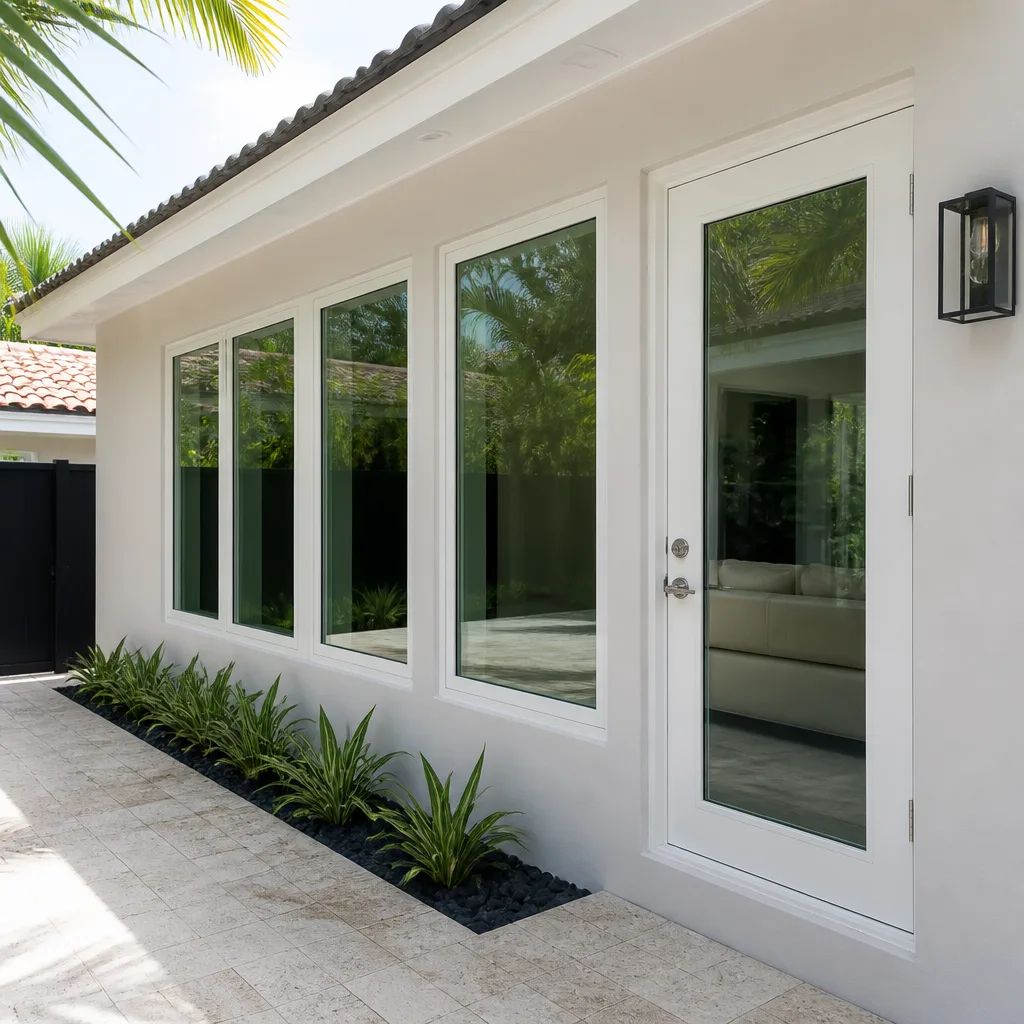 After
After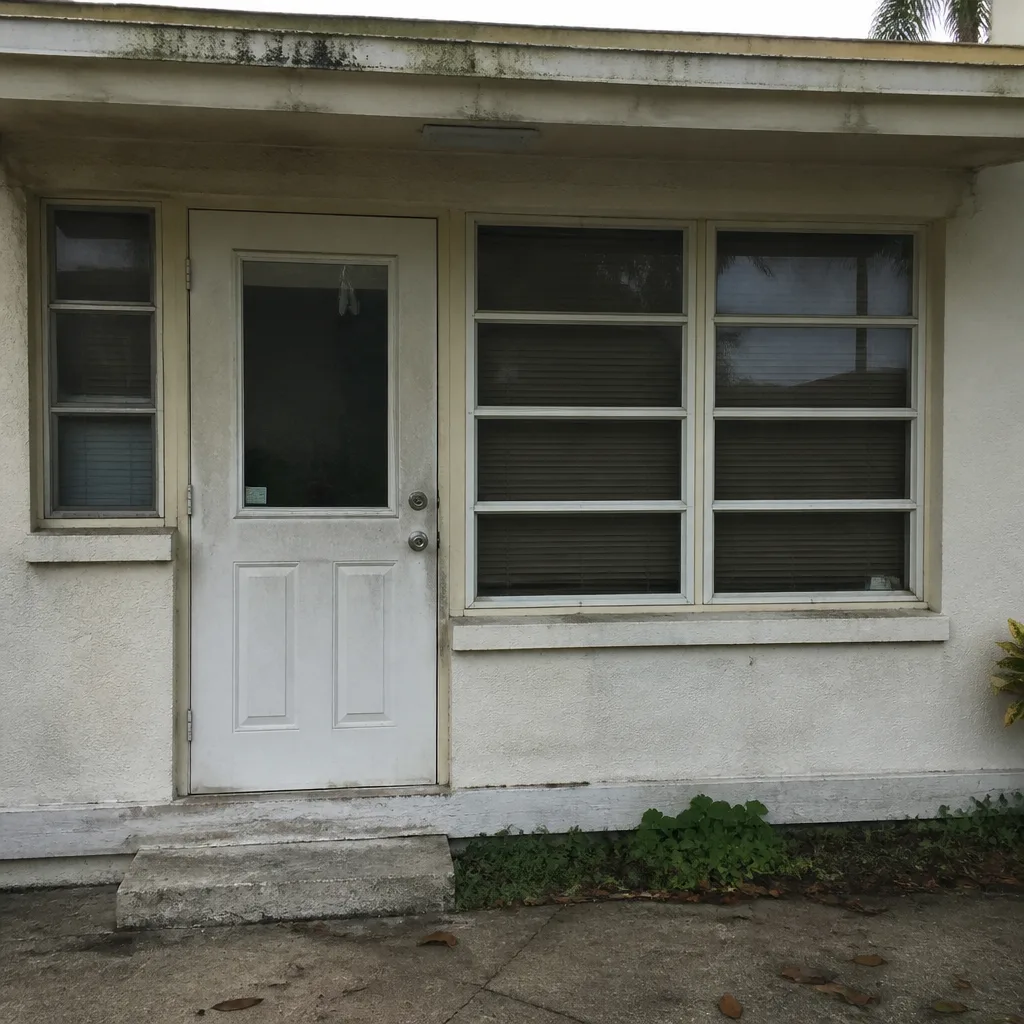 Before
 After
AfterDIY vs Professional Windows & Doors: The Miami Beach Homeowner’s Decision Guide
Florida is one of the few states where a homeowner can legally pull their own permits and install their own windows without a contractor’s license. On paper, that sounds like a green light for a weekend project that saves thousands. But Miami Beach sits inside Miami-Dade County, which operates under its own codebook: Notice of Acceptance (NOA) protocols, mandatory inspections, and insurance carriers that review window installations with the scrutiny of an underwriter reading a hurricane claim. This guide walks through exactly where the legal line falls, what DIY actually costs when something goes wrong, and which jobs are genuinely safe to take on yourself in Miami Beach.
Quick Answer
Miami Beach homeowners can legally install their own windows under an owner-builder permit, but the work must meet Miami-Dade NOA installation requirements and pass county inspections or the windows may be treated as non-compliant by insurers and title companies. DIY installation typically saves 20 to 40 percent upfront but introduces financial risks most homeowners discover only at claim time or closing. For small tasks like caulking, weatherstripping, and interior trim, DIY makes sense. For anything that touches the rated opening, professional installation with documented compliance is the safer financial decision. See our guide on How to Hire a Windows & Doors Contractor in Miami Beach: A Step-by-Step Guide if you’re weighing that option.
Table of Contents
- The Owner-Builder Permit in Miami-Dade: What It Actually Allows
- NOA Compliance: The Step Every DIY Tutorial Leaves Out
- The True Cost of DIY Window Installation in Miami Beach
- Insurance Consequences of Non-Compliant Window Work
- Resale and Title: When DIY Work Haunts a Closing
- The Jobs That Are Actually Safe to DIY in Miami Beach
- Windows vs. Doors: Where the DIY Line Moves
- Common Mistakes to Avoid
- When to Call a Professional
- Frequently Asked Questions
- The Bottom Line
The Owner-Builder Permit in Miami-Dade: What It Actually Allows
Florida Statute 489.103 exempts homeowners from contractor licensing requirements when they act as their own “owner-builder” on their primary residence. You can pull the permit, buy the windows, install them yourself, and call for inspection. Miami-Dade County honors this exemption, and Miami Beach projects fall under the same county permitting umbrella. So yes, the DIY path is legal.
What the exemption doesn’t do is release you from any technical requirement. The permit application includes an owner-builder disclosure form, and the language on that form matters. It states that you are acting as the general contractor, that you are responsible for the work, and most critically for future plans: that you cannot sell the property within one year of completing the work without either hiring a licensed contractor to pull a new permit or disclosing the owner-builder work to the buyer. That disclosure requirement doesn’t expire quietly. It becomes a permanent note in the permit history attached to the property.
Here’s what the owner-builder permit path covers and what it leaves exposed:
- Covers: Permit application, material purchase, installation labor performed by the homeowner, scheduling inspections.
- Does not cover: Technical compliance with NOA fastener schematics, water intrusion liability, manufacturer warranty validation, or any work a future buyer’s home inspector flags as deficient.
- What you sign: A disclosure acknowledging you cannot sell the home within 12 months of permit finalization without specific additional steps.
If you stay in your Miami Beach home for a decade, that one-year resale restriction is irrelevant. If life changes and you need to move sooner, it becomes a real obstacle that a licensed installation would never create.
NOA Compliance: The Step Every DIY Tutorial Leaves Out
Miami-Dade County doesn’t accept a generic “manufacturer’s installation instructions” standard. Every impact window and door product must carry a Notice of Acceptance, or NOA, issued by the county’s Product Control Division. The NOA is a document specific to that exact product and that exact series, listing approved installation methods, fastener types, fastener spacing, substrate conditions, and buck preparation. Installation that doesn’t follow the NOA is considered non-compliant, even if the window itself is impact-rated.
Most online tutorials treat window installation as a universal process: shim the frame, level it, screw it in, foam it, caulk it. That works in states where the building code doesn’t have a product-specific compliance document with the force of law. In Miami Beach, the NOA governs. A PGT or CGI window installed with the wrong fastener pattern or into an unapproved substrate is, in the county’s eyes, not an approved product installation. It doesn’t matter that the window is the right model and the right size. The installation itself is the compliance event.
The steps most DIY resources skip:
- NOA retrieval: Pulling the correct NOA document for your exact product line and series before ordering anything.
- Substrate verification: Confirming your existing rough opening framing, concrete block condition, or buck material matches what the NOA lists as an approved substrate.
- Fastener schedule: Matching the NOA’s required fastener type, length, and spacing pattern. A generic “screw every 12 inches” approach fails if the NOA specifies 8-inch spacing or a specific anchor type.
- Buck preparation: In concrete block construction, which describes most Miami Beach homes, the NOA typically requires specific buck anchoring, shimming, and sealing sequences that drywall-tutorial videos never show.
- Documentation: Photographing each step with the NOA document in frame so the inspector can verify compliance without disassembling anything.
We’ve seen homeowners spend $800 to $1,500 per opening on premium impact windows from CGI or ES Windows, install them carefully according to a general YouTube guide, and then fail the Miami-Dade inspection because the fastener pattern didn’t match the NOA. At that point, the windows often can’t be re-anchored without replacing frames, and the “savings” evaporates.
The True Cost of DIY Window Installation in Miami Beach
Let’s put real numbers on the savings claim. Professional impact window installation in Miami Beach typically runs $900 to $1,800 per opening for standard sizes, including materials, labor, permit processing, and compliance documentation. A homeowner doing the same work under an owner-builder permit pays for materials, permit fees, and any specialized tools, which usually lands between 60 and 75 percent of the professional price. On a 10-window house, that’s a potential savings of $4,000 to $7,000. That’s real money, and it’s why the DIY question keeps getting asked.
But the savings math assumes the installation passes inspection on the first attempt, the work is done correctly enough to satisfy an insurance carrier after a hurricane, and the homeowner’s time has no value. Here’s what changes the equation:
- Failed inspection re-work: If the inspector flags non-compliant fastener patterns, you’re often replacing frames or rebuilding openings at $400 to $900 per window.
- Tool cost: Impact-rated installation requires specialty shims, sealants, and often a second set of hands for lifting a 120-pound impact window into a second-story opening.
- Time: A two-person professional crew installs 10 windows in 2 to 3 days. A careful homeowner doing it correctly, with permit stops and inspection scheduling, spends 2 to 3 weekends minimum.
- Warranty gaps: Manufacturers like CWS and ECO Window Systems void or limit warranties when installation doesn’t follow the approved NOA method. A pro installation keeps the full manufacturer warranty active.
One factor Miami Beach homeowners rarely price in: the cost of fixing a non-compliant installation after the fact. Removing an improperly installed impact window, repairing the opening, and reinstalling correctly costs more than a professional installation would have cost from the start. In our experience across Miami Beach, the break-even point on DIY window work is roughly 2 to 3 windows. Below that, the savings may justify the risk for a detail-oriented homeowner. Above that, the exposure compounds with each opening.
Insurance Consequences of Non-Compliant Window Work
Miami Beach homeowners carry some of the most expensive windstorm insurance in the country. The policy premium is built on the assumption that all exterior openings, windows and doors included, comply with the Florida Building Code and Miami-Dade’s High Velocity Hurricane Zone provisions. When a claim is filed after a storm, the carrier investigates. And carrier investigations start with the permit history and installation documentation.
Here’s the specific language pattern that creates claim denial exposure: policies in Florida’s hurricane zone commonly require that wind mitigation features be “installed by a licensed contractor in accordance with manufacturer specifications and applicable building code.” If a homeowner installed the windows themselves, and a post-storm inspection reveals missing NOA documentation, the carrier’s position is simple: the feature doesn’t count. The window may have held, but the claim for water intrusion through a compromised opening, or for the window’s failure to perform as rated, can be denied on non-compliance grounds.
The trigger scenarios:
- Water intrusion after a storm: Carrier’s adjuster attributes the leak to improper flashing or sealing, which the NOA governs, and denies the interior damage claim.
- Impact failure: A window that should have resisted a design-pressure event fails. The carrier’s engineer reviews the installation against the NOA, finds a deviation, and the claim is denied on non-compliant installation grounds.
- Wind mitigation credit review: The homeowner claimed a premium discount for impact windows installed prior to a sale. A post-claim review finds the installation had no licensed contractor permit, and the carrier retroactively adjusts the claim payout or voids the mitigation credit.
None of this means every DIY installation fails or every claim gets denied. But it creates a demonstrable exposure that doesn’t exist with professional installation, where the permit record, the NOA documentation trail, and the licensed contractor’s insurance policy all exist to protect the claim.
Resale and Title: When DIY Work Haunts a Closing
Miami Beach’s real estate market moves fast, and title companies here have seen enough self-permitted window work to treat it with specific caution. When you sell a home, the buyer’s title search includes a permit history review. Open permits, permits closed without final inspection, or owner-builder permits with the disclosed resale restriction all show up.
The owner-builder disclosure you signed at permit application follows the property. If you sell within 12 months of completing the work, you must either hire a licensed contractor to pull a retrofit permit and verify the work, or you must disclose the situation to the buyer in writing. That disclosure, by law, does not evaporate after 12 months either; the 12-month window simply changes which path applies. A buyer who learns the windows were self-installed may ask for a licensed inspection, demand a price reduction, or walk entirely.
We’ve seen Miami Beach closings delayed by 3 to 6 weeks while an owner-builder window permit got sorted out. In a market where cash buyers close in 10 days, that kind of delay can move a seller out of contention. One specific scenario we’ve witnessed more than once: a South Beach condo owner replaced two sliding glass doors under an owner-builder permit, sold the unit 14 months later, and still had to provide a letter from a licensed contractor verifying the work met NOA compliance before the title company would issue the policy. The verification cost $850 and required partial disassembly of one door frame.
A professional installation from the start means the permit record shows a licensed contractor, the work carries a transferable warranty, and the title company treats the windows the same way it treats any other permitted, compliant exterior feature.
The Jobs That Are Actually Safe to DIY in Miami Beach
Not everything touching a window or door requires a permit or a professional in Miami Beach. The county permits minor maintenance and cosmetic work without any permit requirement, as long as you’re not altering the rated assembly, the structural opening, or the anchoring system. These jobs are genuinely appropriate for a capable homeowner and carry no meaningful insurance or resale risk when done correctly. For a practical rundown, see our Impact Windows Maintenance Checklist for Miami Beach Homeowners.
Safe DIY window and door work includes:
- Interior trim and casing: Removing, replacing, or painting interior window and door trim doesn’t touch the weather barrier or the NOA-governed installation.
- Hardware replacement: Swapping handles, hinges, locksets, and sweep seals on doors is maintenance, not structural work. Match the hardware to the existing preparation to avoid drilling new holes in a rated door slab.
- Weatherstripping: Replacing worn weatherstripping on windows and doors is the single highest-value DIY task in a salt-air environment like Miami Beach, where rubber gaskets degrade fast.
- Caulk and sealant refresh: Exterior caulking around window and door frames, applied properly, extends the water-intrusion barrier. The key is using a sealant compatible with the existing material and not disturbing the rated assembly underneath.
- Screen repair: Torn screens on any window or sliding door are a no-permit, no-risk fix.
The line we advise Miami Beach homeowners to respect is simple: if the task requires removing the window sash, disturbing the frame anchoring, cutting into the rough opening, or breaking the exterior water barrier, it’s no longer maintenance. It’s installation work, and installation work in Miami-Dade means permits, inspections, and NOA compliance. A Miami Beach impact window is a rated assembly, not a home-improvement project.
Windows vs. Doors: Where the DIY Line Moves
Windows and doors are often grouped together in the DIY conversation, but the risk profile is different. A sliding glass door in a Miami Beach condo weighs 180 to 250 pounds. An entry door with impact-rated glass can weight 200 pounds or more in its frame. The physical risk of mishandling a door during DIY installation is higher than a window, and the consequences of a poor door installation are more severe: air and water intrusion through a door opening damages flooring, baseboards, and wall cavities.
Window installation, while lighter per unit, has more repetitive fastening requirements. A 10-window job means executing the same NOA fastener pattern correctly 10 times. Doors require fewer repetitions but more skill per opening: threshold sealing, sill pan integration, and plumb-and-square adjustment with a heavy slab. In our experience, doors are where we see the most failed DIY inspections in Miami Beach, because the threshold and sill waterproofing sequence is where tutorials go light on detail.
None of this is gatekeeping. If you’re skilled, patient, and willing to read an NOA document end to end, the owner-builder path is yours by right. The point is that the decision should be made with full information about what compliance requires in Miami Beach specifically, not by watching a video filmed in Texas or Ohio where the governing standard is a generic manufacturer instruction sheet.
Common Mistakes to Avoid
- Buying windows before reading the NOA. The NOA governs the installation, not just the product. A great price on CWS or ECO Window Systems windows means nothing if your rough opening doesn’t match the approved substrate or buck condition in the NOA’s installation section.
- Assuming manufacturer instructions equal code compliance. In Miami-Dade, the NOA supersedes generic manufacturer literature. If they conflict, the NOA is the legal standard.
- Skipping the permit because “it’s just replacing existing.” Replacement windows and doors in Miami Beach require permits, period. An unpermitted installation will be flagged by any competent home inspector at resale and creates an automatic insurance disclosure problem.
- Using non-impact-rated foam or sealant. The foam and sealant used in a rated opening must be compatible with the NOA specification. Big-box spray foam around a CGI impact window frame can invalidate the installation’s water-intrusion rating.
- Underestimating the physical labor of impact units. A single impact window can weigh 100 pounds or more. A sliding glass door is a two-person lift with a third person spotting. Solo DIY installation of heavy rated units is how windows get dropped, frames get twisted, and bodies get hurt.
- Ignoring the salt-air factor. Miami Beach’s coastal environment accelerates corrosion on fasteners and flashings. The NOA typically specifies stainless or corrosion-resistant fasteners for coastal exposure. Substituting galvanized fasteners at a big-box store creates a corrosion failure point that won’t show up for three to five years, then fails visibly.
- Failing to document the installation. Miami-Dade inspectors may require photographic evidence of fastener patterns and substrate conditions before close-out. If you can’t prove what you did, the inspection stalls.
When to Call a Professional
Call a professional when the project involves anything beyond cosmetic maintenance: full window or door replacement, any work requiring an NOA compliance path, multi-story installations, or any scenario where an insurance claim or future sale depends on documented compliance. The cost of professional installation buys you the permit record, the NOA documentation trail, a manufacturer warranty that stays intact, and a licensed contractor’s insurance policy standing behind the work. For ongoing upkeep tips, see our Seasonal Windows & Doors Care for Miami Beach: Year-Round Homeowner’s Guide.
We install PGT, CGI, CWS, ES Windows, ECO Window Systems, and Therma-Tru products across Miami Beach, and our team handles permit processing, NOA compliance documentation, and inspection scheduling as part of every job. Winslow Windows & Doors offers free estimates throughout Miami Beach, and Ed Winslow’s name is on the door, and on every job we do. Browse more guides & resources for Miami Beach homeowners. Call (863) 656-0462 to schedule yours. If you already have a written estimate from another company, bring it to us for a free second opinion, no obligation.
Frequently Asked Questions
Yes. Florida’s owner-builder exemption allows a homeowner to pull their own permit and install windows on their primary residence without a contractor’s license. However, the work must comply with Miami-Dade’s NOA requirements and pass county inspections, and the owner-builder disclosure restricts resale of the property within 12 months of permit finalization unless specific steps are taken. Call (863) 656-0462 if you want help navigating the compliance path.
DIY window installation typically saves 20 to 40 percent compared to professional installation, which on a 10-window Miami Beach home means $4,000 to $7,000. The savings assume first-attempt inspection pass and no re-work, which is not the typical outcome for first-time NOA installations. Call (863) 656-0462 for a free estimate and line-item pricing so you can compare real numbers.
A failed inspection usually means the installation deviates from the NOA’s fastener pattern, substrate requirements, or sealing protocol. Fixing it often requires removing the window, repairing the opening, and reinstalling correctly at a cost of $400 to $900 per window. A professional installation avoids this by documenting NOA compliance from the first step. Call (863) 656-0462 to discuss your specific situation.
Potentially. Florida hurricane-zone policies commonly require wind mitigation features to be installed by a licensed contractor in accordance with code and manufacturer specifications. Non-compliant DIY installation creates a documented denial exposure that doesn’t exist with professional installation. If you’re unsure of your exposure, call (863) 656-0462 and we’ll walk you through what to check.
Miami Beach homeowners typically install impact-rated windows from PGT, CGI, CWS, ES Windows, ECO Window Systems, and Mr-Glass, along with Therma-Tru entry doors. The county’s NOA database governs installation compliance for each of these brands, and the approved products carry Miami-Dade Product Control approval numbers. Our team installs all of these lines and handles NOA documentation as part of the job.
Yes. Window replacement in Miami Beach requires a permit, regardless of whether you hire a contractor or act as an owner-builder. Unpermitted window work creates resale disclosure problems and insurance claim exposure. Professional installation includes permit processing so the record is clean from day one. Call (863) 656-0462 for a free estimate that includes all permit work.
The Bottom Line
Miami Beach is one of the few places in the country where DIY window installation is legal but rarely financially wise. The owner-builder path exists, and skilled homeowners can succeed on it, but the compliance burden is heavier than most expect: NOA documentation, fastener schematics, inspection scheduling, and the permanent resale disclosure that follows owner-builder work. For trim, hardware, weatherstripping, and caulk, DIY is the right call and saves real money. For anything that touches a rated opening, professional installation from a Miami Beach company like Winslow Windows & Doors protects the insurance claim, the resale value, and the integrity of the opening. We’ve been installing windows in Miami Beach since 2011, and we’ve handled window replacement projects from North Beach to South Pointe. The one down the road is the one who answers.
Written by Ed Winslow, Owner at Winslow Windows & Doors, serving Miami Beach since 2011.
Six Reasons Homeowners Choose Winslow Windows & Doors
Impact systems engineered to design pressures up to +/-100, matched to your wind zone - your openings hold when the storm arrives.
Low-E insulated impact glass from our manufacturer lines commonly cuts monthly cooling bills 20-30%.
Laminated impact glass shuts out up to 40% of outside noise - traffic, neighbors, weather.
Monitoring services run $30-90 a month. Laminated impact glass resists forced entry around the clock, with no subscription.
Florida homeowners average around 25% savings on the windstorm portion of their policy after protecting every opening - some homes qualify for more.
A full impact package upgrades curb appeal, buyer confidence and appraised value in one project.