
Last updated August 27, 2026
Free in-home measure and quote - PGT, CGI and CWS impact lines compared on your actual openings, style by style
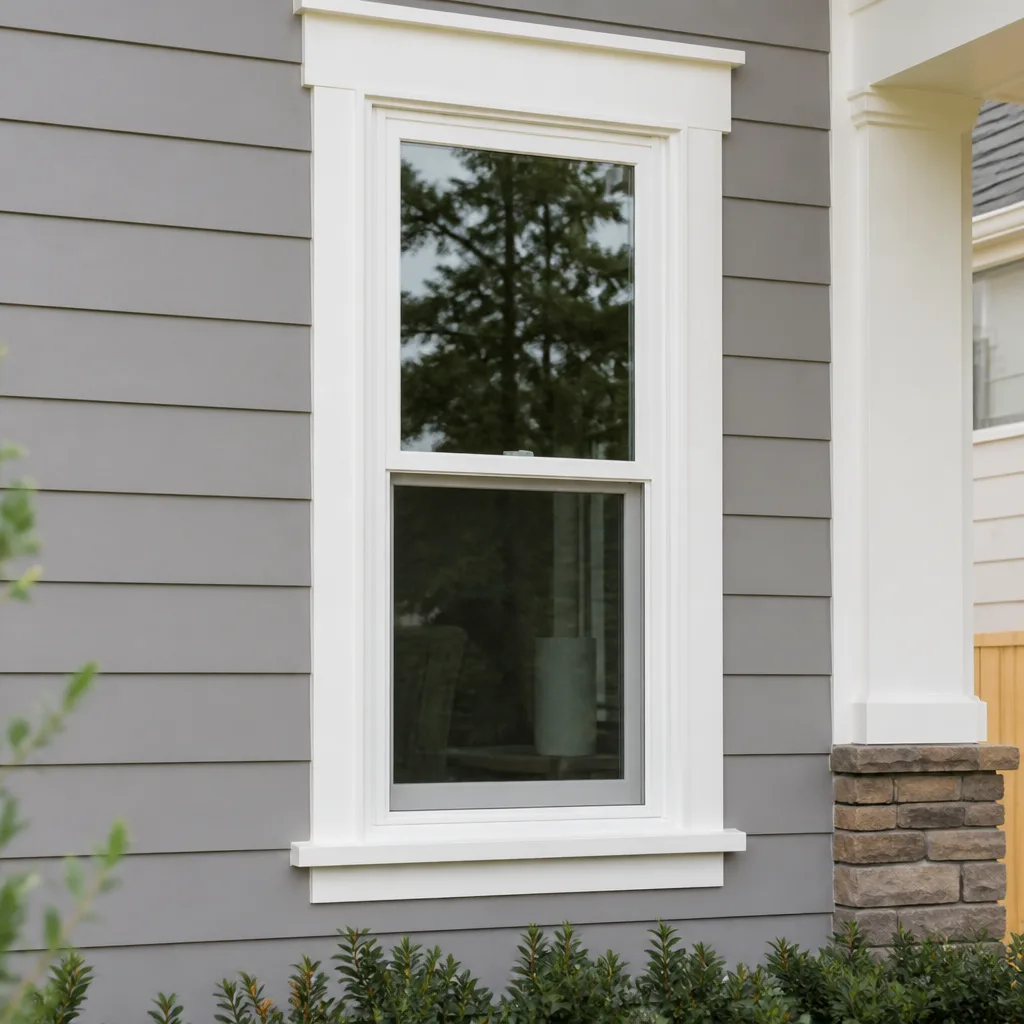
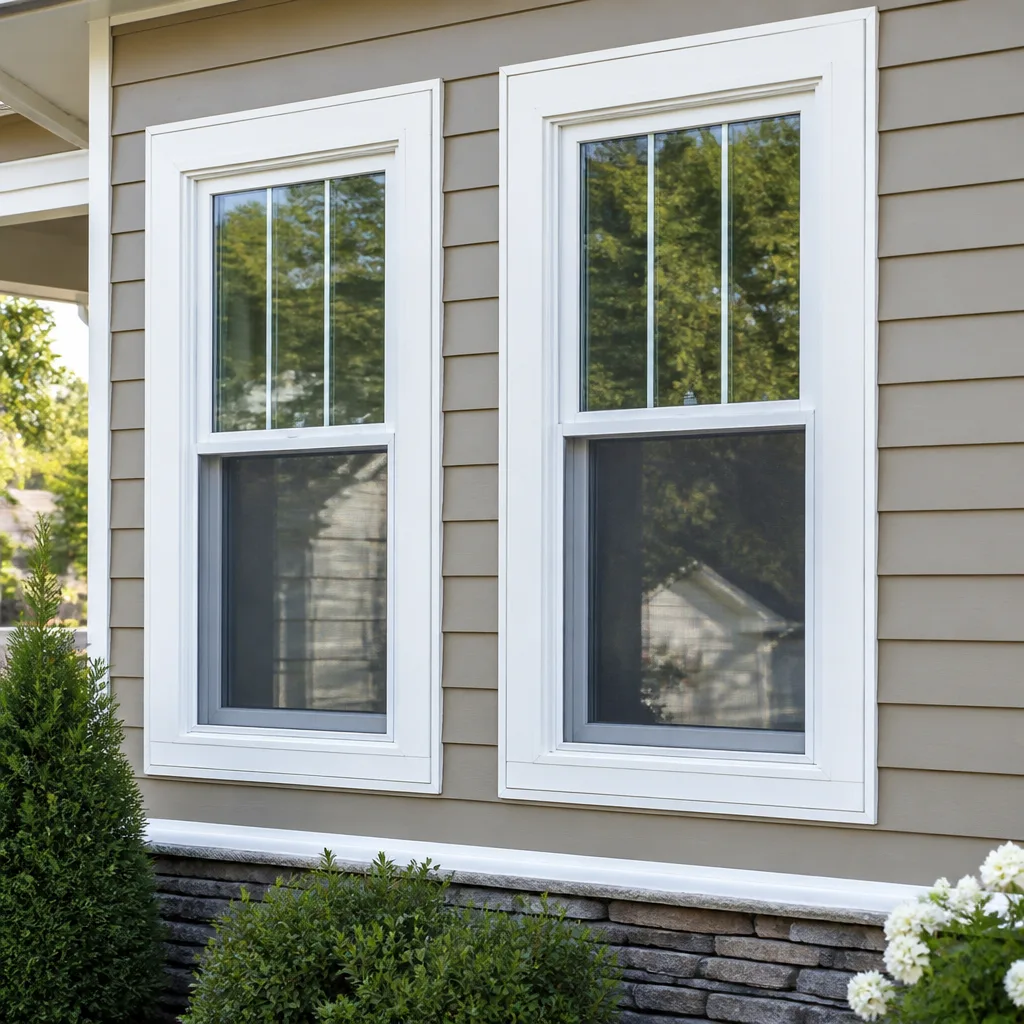
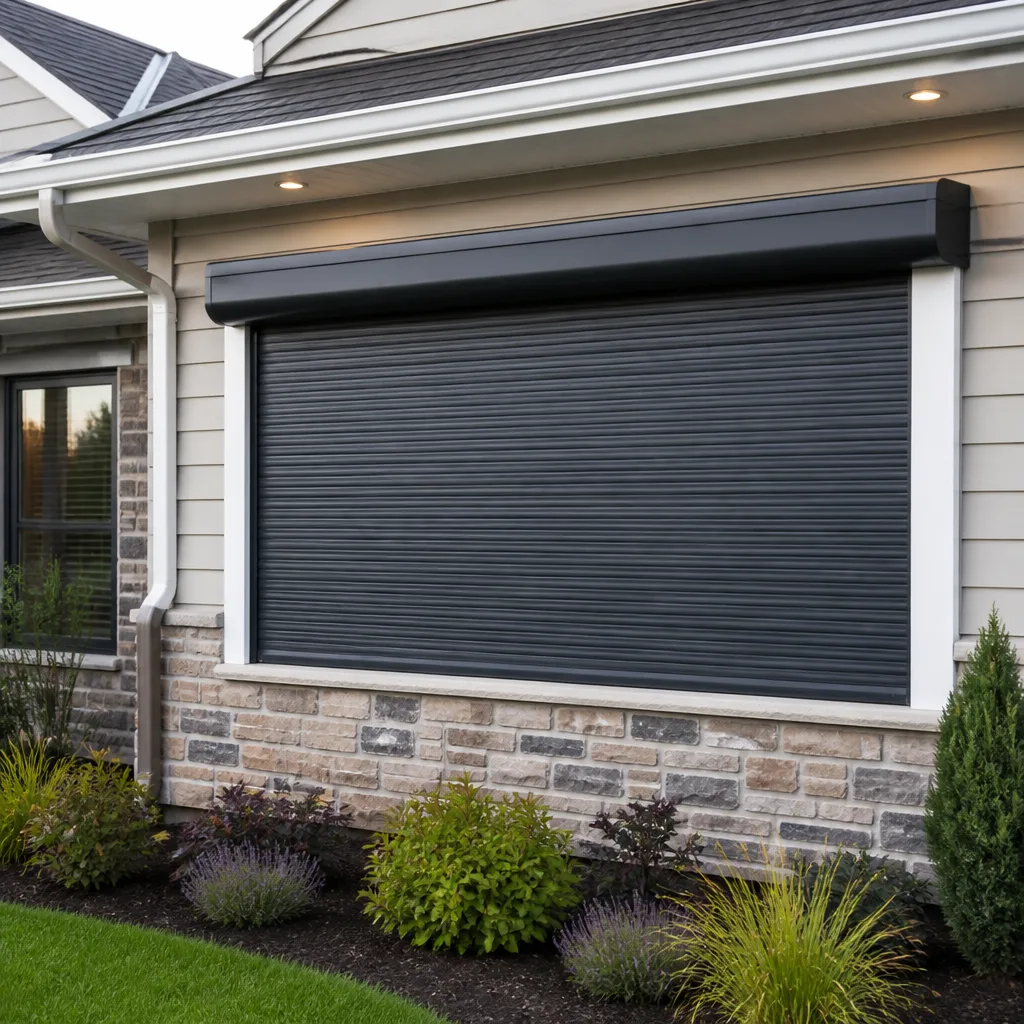
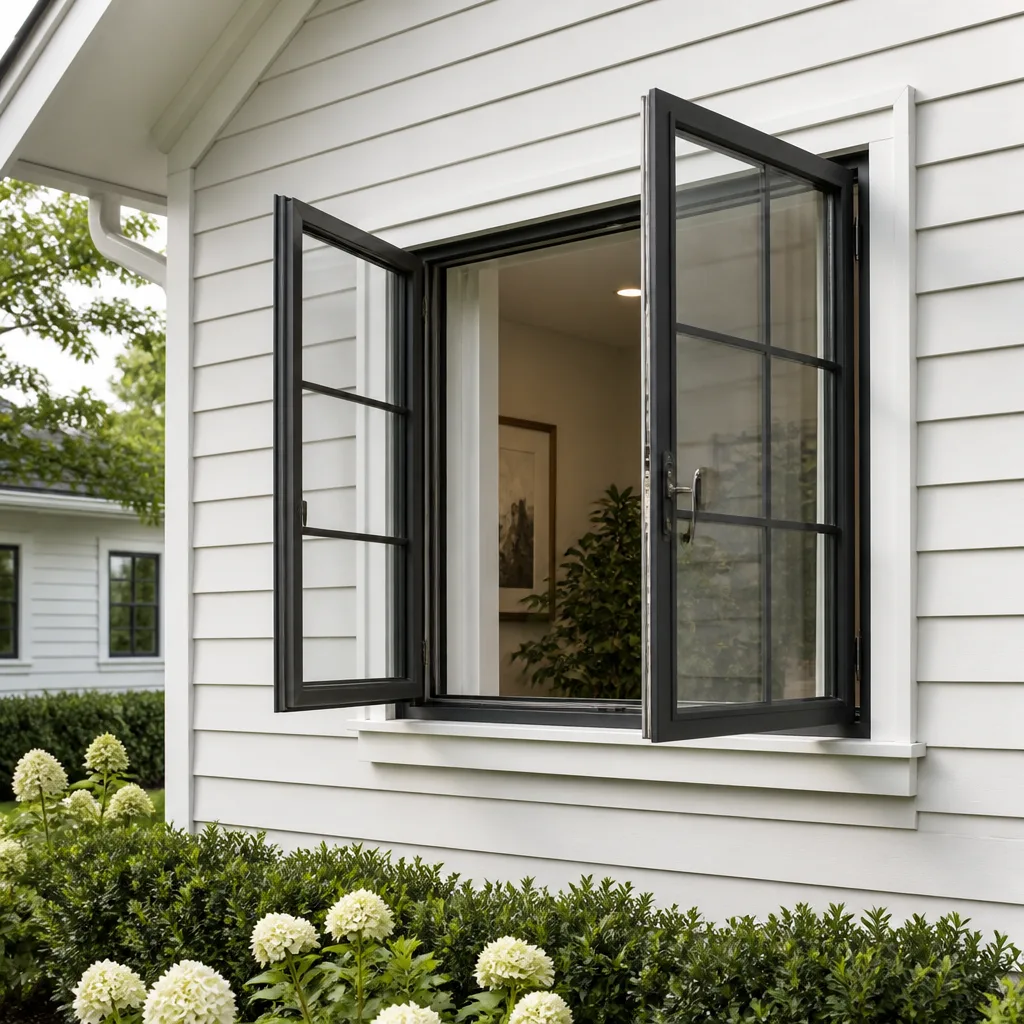
Sliding glass doors
PGTCGI
 Before
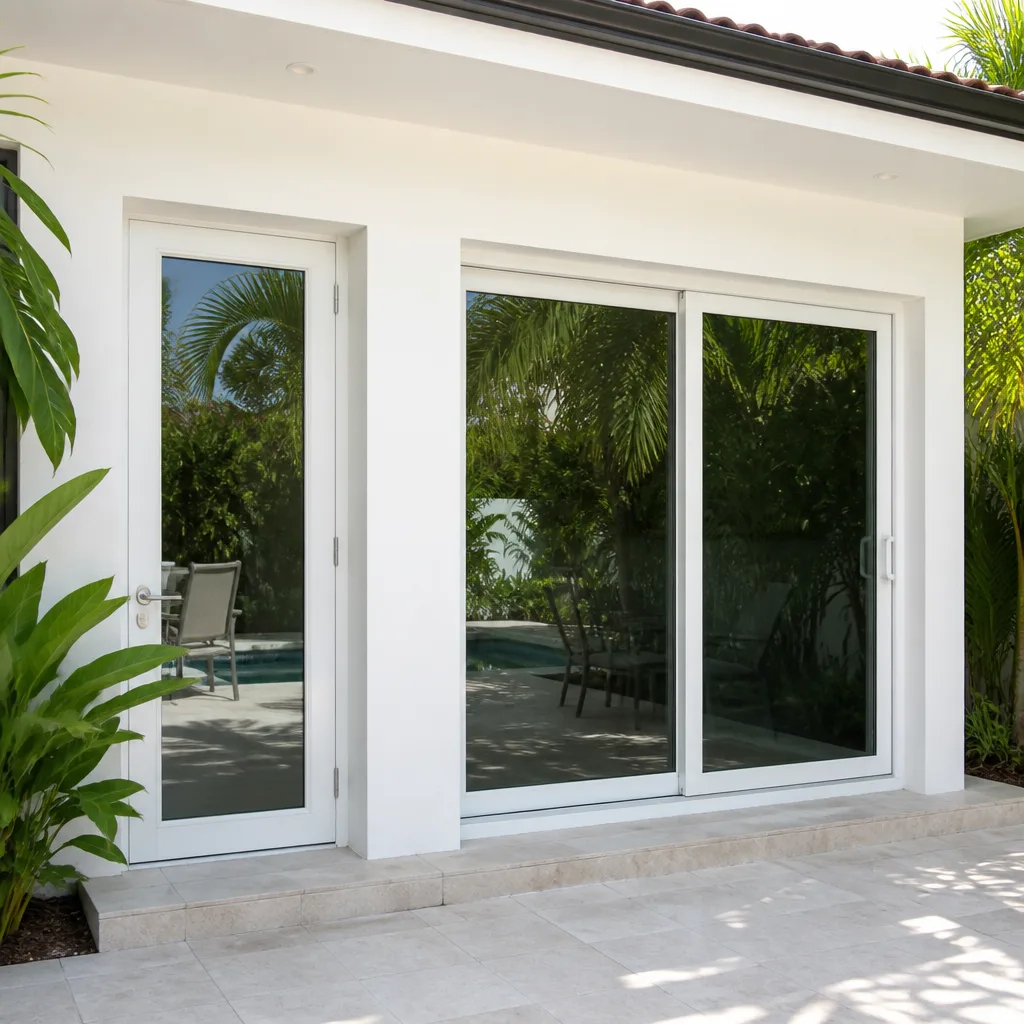 After
After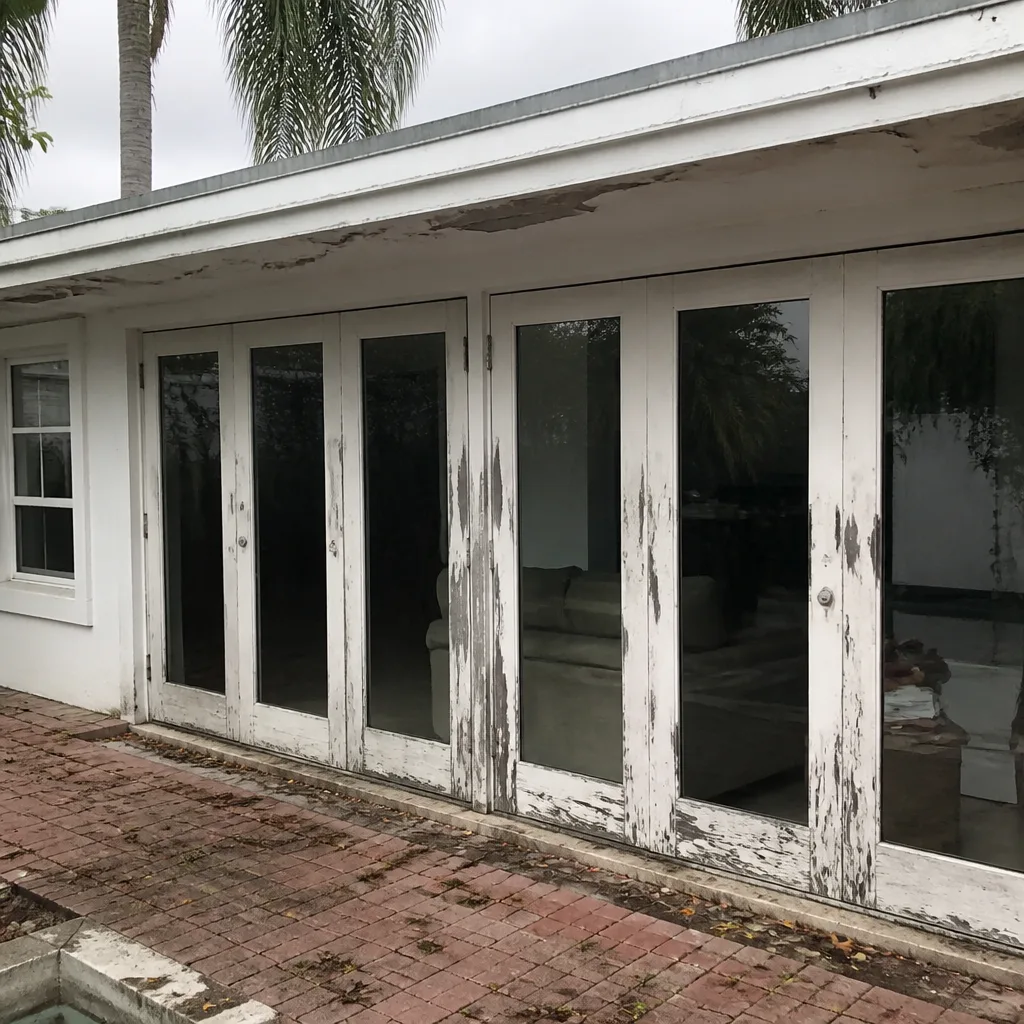 Before
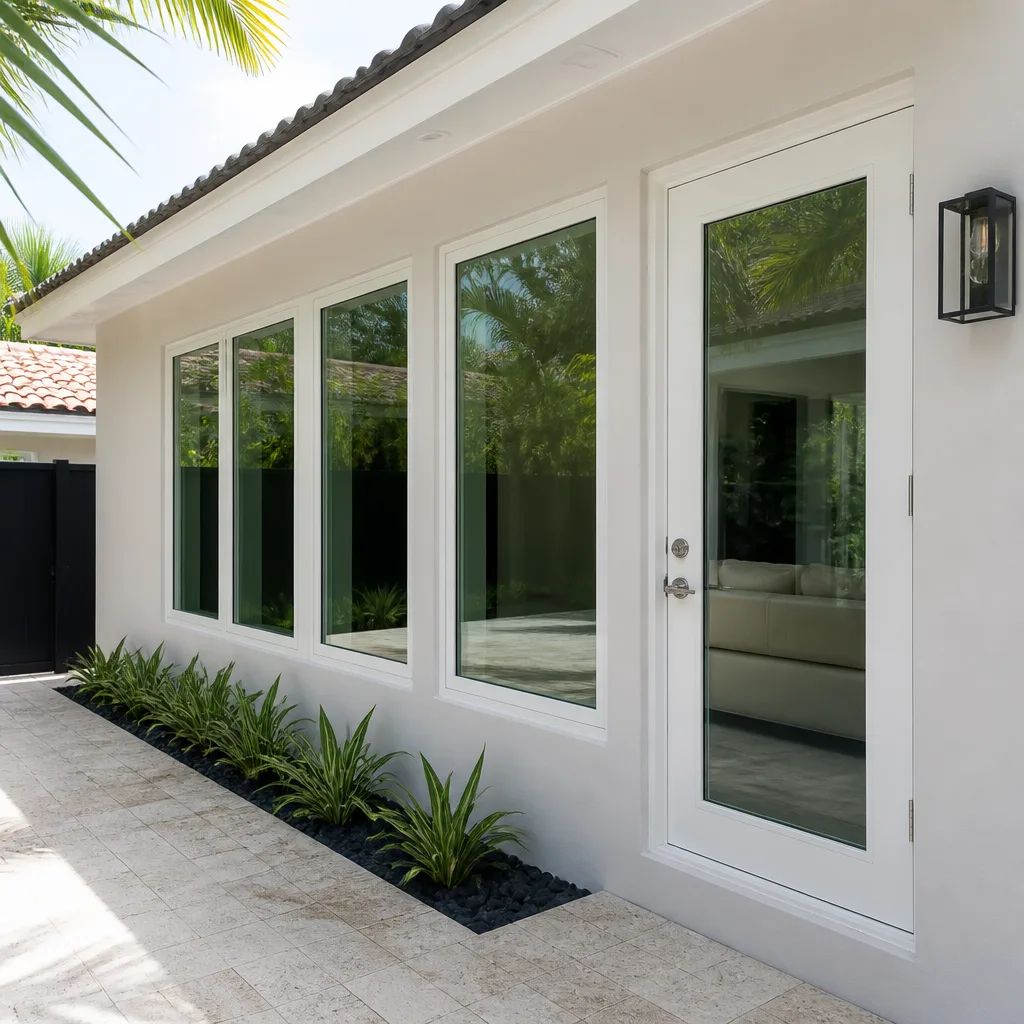 After
After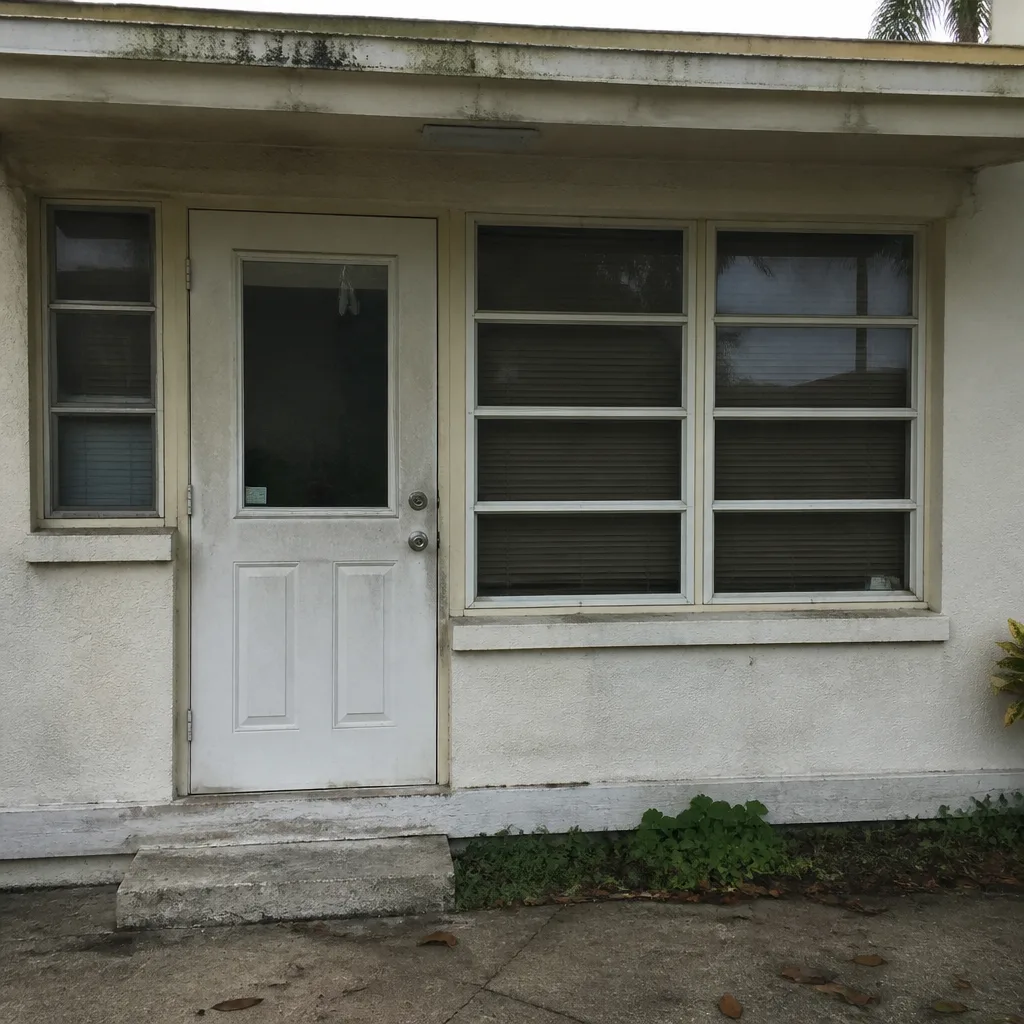 Before
 After
AfterHow to Hire a Windows & Doors Contractor in Miami Beach: A Step-by-Step Guide
In Miami Beach, the most dangerous moment in a window replacement project isn’t the storm - it’s the phone call you make in a panic after one, to a contractor you found on a flyer stapled to a telephone pole. Every hurricane season, hundreds of homeowners rush decisions they’ll regret for decades, signing contracts with unvetted crews who vanish after the first check clears. This guide gives you a repeatable, five-step screening process that separates accountable local installers from storm-chasing operators, and you can find more guides & resources on our blog. You’ll learn how to verify licensing in minutes, which insurance documents actually matter, how to read a contract for liability traps, and which red flags Florida homeowners miss until it’s too late.
Quick Answer
To hire a windows and doors contractor in Miami Beach, verify their Miami-Dade County contractor license (a Florida state license alone is not enough), confirm they carry general liability, workers’ compensation, and impact-product installation endorsements, and require them to pull permits under their own license. Then check for a physical local address, documented experience with Miami-Dade’s High Velocity Hurricane Zone code, and a contract that clearly assigns responsibility for failed inspections to the contractor, not you.
Table of Contents
- Step 1: Verify the Miami-Dade County License (Not Just a State License)
- Step 2: Demand Three Specific Insurance Documents
- Step 3: Confirm Who Pulls the Permit - and Who Shows Up for Inspection
- Step 4: Read the Contract for Liability-Shifting Clauses
- Step 5: Spot Storm-Chaser Red Flags Before You Sign
- Step 6: Compare Bids the Right Way
- Common Mistakes to Avoid
- When to Call a Professional
- Frequently Asked Questions
Step 1: Verify the Miami-Dade County License (Not Just a State License)
Here’s a fact most Miami Beach homeowners don’t learn until a project goes sideways: a Florida state contractor license is not sufficient for window and door work in Miami-Dade County. The county maintains its own licensing requirements because buildings here face wind loads and debris impacts that don’t exist in Orlando or Tampa. Miami-Dade sits in the High Velocity Hurricane Zone (HVHZ), the strictest building code region in the country. A contractor who installs windows in Jacksonville legally cannot simply roll into Miami Beach and do the same work without county-specific certification.
Verifying a contractor’s Miami-Dade license takes less than five minutes. Here’s the process:
- Go to the Miami-Dade County Contractor Licensing Section’s online verification portal.
- Enter the contractor’s name or license number. You want a license type that covers “Aluminum & Specialty Structures” or “General Building Contractor” with HVHZ qualification.
- Check the license status. It should read “Active” - not “Inactive,” “Delinquent,” or “Revoked.”
- Confirm the qualifying agent. The person named on the license is legally responsible for the work. If that name doesn’t match the person you’re dealing with, ask why.
- Check for complaints or disciplinary actions. The county posts them. A clean record for a company that’s been around since 2011 means something different than a clean record for a company that incorporated last August.
Why does this matter? Because when a window fails during a storm and water pours into your living room, your insurance company will ask who installed it. If the answer is an unlicensed or improperly licensed contractor, your claim can be denied outright. We’ve seen homeowners in neighborhoods like Sunset Harbour and North Beach learn this the hard way - after the damage, not before.
At Winslow Windows & Doors home, you’ll find our license number published on our website. That’s not an accident. If a contractor won’t put their license number on the estimate, on the contract, and on their truck, treat it as the first red flag.
Step 2: Demand Three Specific Insurance Documents
Licensing is the baseline. Insurance is what protects you when the worst happens during installation. Before you sign anything, ask for three documents. Not a summary. Not a promise. Actual documents.
- General Liability (GL) Insurance: This covers property damage and injuries that happen during the job. In Miami Beach, with our salt air and frequent storms, we recommend a minimum of $1 million in general liability coverage. Demand a certificate of insurance that names you as an “additional insured.” That phrase matters.
- Workers’ Compensation Insurance: Florida has specific rules about workers’ comp. If a worker falls off a ladder on your property and the contractor doesn’t have coverage, you can be held liable. Ask for the workers’ comp policy declaration page and verify it’s active. Any contractor who tells you “my guys are subcontractors, they carry their own” needs to produce proof of that before work begins.
- Impact-Product Installation Endorsement: This is the document most Miami Beach homeowners have never heard of. Standard general liability policies often exclude damage caused by improper installation of impact-rated products. If windows fail during a storm because they were installed wrong, and the installer’s policy excludes impact-product work, you’re left holding the replacement cost. Ask specifically: “Does your GL policy include an endorsement covering impact window and door installation?” Get the answer in writing.
We’ve had customers come to us after a storm with windows that were decades old but failed at the frame - not because the glass shattered, but because the installation was done by a crew that never should have been permitted to touch impact products. The correct installation matters as much as the product itself. CGI and ES Windows products are engineered to withstand Miami-Dade’s wind-driven rain and debris, but only when installed according to the manufacturer’s specified anchoring patterns and sealant schedules.
Winslow Windows & Doors is insured and bonded, and we provide certificates of insurance as a routine part of every estimate. You shouldn’t have to ask twice.
Step 3: Confirm Who Pulls the Permit - and Who Shows Up for Inspection
Here’s where Miami Beach homeowners get fooled. A contractor says “yes, permits are included.” Then the permit gets pulled by a third-party expediter, not the contractor whose license number is on your contract. Why does that matter? Because the person who pulled the permit is legally responsible for the work. If a permit expediter pulls it, and the installation fails inspection, the contractor can argue the permit was expediter’s responsibility. You end up in the middle of a blame game while your windows sit uninstalled and your city inspection date lapses.
The rule is simple: the contractor pulls the permit under their own license. No exceptions. Here’s what a proper permit process looks like in Miami Beach:
- The contractor submits documents to the Miami Beach Building Department before work begins, listing themselves as the permit holder.
- The permit number is attached to your project file and can be verified on the city’s online portal.
- The contractor - not a “project manager,” not an office assistant - is physically present at every required inspection.
- All inspections pass before the contractor requests final payment.
If a contractor suggests skipping permits for “faster completion” or “lower cost,” walk away. In the HVHZ, unpermitted window replacements can invalidate your homeowners insurance policy. We’ve seen it happen. A North Beach homeowner saved about $800 by skipping permits on patio doors. Three years later, a tropical storm blew water through the unsealed frame, and the insurance adjuster denied the claim on the spot because the installation had no city inspection record. The $800 savings turned into a $7,000 repair.
When you work with a local company that has been handling window installation in Miami Beach since 2011, the permit process is routine. We know the inspectors. We know what they check. We’ve passed hundreds of inspections in this city, and we’re there for every one of them.
Step 4: Read the Contract for Liability-Shifting Clauses
Most homeowners read the price, the scope of work, and the payment schedule. They skip the clauses that matter most. Miami Beach installation contracts should be read with the assumption that something will go wrong - not because contractors are unreliable, but because windows and doors are complex products exposed to Florida’s harshest conditions. The contract determines who pays when things don’t go as planned.
Here are the clauses to read carefully before signing:
- Failed Inspection Responsibility: Look for language that says the contractor is responsible for correcting any work that fails a city inspection, at no additional cost, within a specified timeframe. If the contract is silent on failed inspections, or if it says “additional charges may apply for re-inspection,” you’re absorbing liability that belongs to the installer. The clause should be explicit: “Contractor is responsible for pass re-inspection at no cost to homeowner.”
- Change Order Terms: A change order is a written amendment to the contract for scope changes. If the contract allows verbal change orders, or if it says “changes may be reflected in final invoice,” you’re signing a blank check. Require every change order to be in writing, signed by both parties, with a fixed price attached - before the work happens. At Winslow, our change orders are line-item priced and signed before a single nail moves.
- Payment Schedule: The Florida Homeowner’s Construction Recovery Fund, a state program that compensates homeowners for contractor violations, works best when payments follow progress - not when you pay large sums upfront. A reasonable schedule: a deposit of 10-30% at contract signing, progress payments tied to completed phases, and final payment only after the city inspection passes. Be suspicious of any contract demanding 50% or more before work begins.
- Warranty Language: The contract should specify the product manufacturer’s warranty (what’s covered, for how long, and under what conditions) separately from the installation workmanship warranty. Both should be in writing. And read the exclusions. A “lifetime warranty” that excludes everything except factory defects isn’t what you think it is.
One more thing: a contract is only as good as the entity behind it. Look for the company’s legal name, physical address, and license number on the first page. If any of those three are missing, the document isn’t ready to sign.
Step 5: Spot Storm-Chaser Red Flags Before You Sign
Hurricane season in Miami Beach runs from June 1 through November 30. That’s when out-of-state crews appear - some legitimate, many not. They work on commission, they’re gone by December, and they leave behind installations that fail the first time a real storm tests them. Here are the specific red flags that signal a storm-chaser, not a local contractor:
- Out-of-State Plates and Unmarked Vehicles: A legitimate local contractor has branded vehicles, a physical office, and a published address. If the truck has Tennessee plates and a magnetic sign that could be peeled off in five seconds, that’s not a local business. Ed Winslow’s name is on the door - and on every job we do.
- No Local Address, or a Mail Drop: Look up the company’s address. If it’s a UPS Store box or a virtual office on Lincoln Road, that’s not the same as a company with a real presence in the community. Winslow Windows & Doors has a published address. You can drive past it.
- Pressure to Waive Permits: “We can save you time and money if we skip the permit.” No legitimate Miami Beach contractor says this. The city’s inspection process exists because storm-tested installations save lives. Anyone suggesting you bypass it is asking you to assume legal and financial risk for their convenience.
- ‘Today-Only’ Pricing: Legitimate contractors price work based on scope and materials, not on how quickly you’ll sign. Be skeptical of dramatic discounts tied to immediate decisions. The 10% discount we offer seniors and veterans has been in place since we opened in 2011. It has no expiration date. That’s a very different thing than a “today-only” pressure tactic.
- Can’t Produce Local References: Ask for three references in Miami Beach or nearby - not three references from other states. A contractor who has done good work locally will be happy to share. A contractor who hasn’t done local work will stumble. We’ve been doing window replacement in Miami Beach for over 15 years, and we’re glad to provide references from your neighborhood.
Step 6: Compare Bids the Right Way
When you compare bids from three contractors, don’t compare just the number at the bottom. That’s the fastest way to hire the wrong installer. Compare the components: product, scope, inclusion, and accountability.
- Product Specifications: Two quotes might both say “impact windows,” but one is specifying ECO Window Systems’ laminated glass with Miami-Dade NOA approval, while the other is offering a generic import with a “wind-resistant” label. The first is tested and approved for Miami-Dade’s High Velocity Hurricane Zone. The second may not even be legal to install here. Ask for the manufacturer’s NOA (Notice of Acceptance) number. Every PGT, CGI, CWS, and ES Windows product we install carries current Miami-Dade NOA documentation.
- Inclusion of Hardware and Fasteners: The quote should specify the type and quantity of anchors, screws, and sealant. Cheaper installation often means fewer fasteners and thinner sealant beads - details that matter when a hurricane pushes 140 mph winds against your windows. A detailed quote lists these items. A vague quote hides them.
- Removal and Disposal: Old windows need to be removed and disposed of properly. If the quote doesn’t mention “removal and disposal,” ask. Some contractors leave old frames and glass in your yard and call it done.
- Permit and Inspection Cost: The city of Miami Beach charges filing fees for permits. Make sure those fees are included in the quote. If they’re excluded, the contractor may add them later as a “surprise” line item. Winslow’s quotes include all permit and inspection fees, itemized, before you sign.
- Responsiveness: Before you sign, call the contractor’s office. Not email. Not text. Call. If you get a voicemail loop, that’s a preview of what will happen when you have a problem. Winslow answers every call with a live person, 24 hours a day. A neighbor you can call at 2 a.m. - and someone will actually answer.
Can You Do This Yourself?
We understand the appeal. YouTube tutorials make window replacement look straightforward. A few screws, a bead of caulk, done. But in Miami Beach, DIY window installation is a very different calculation than it is in other parts of the country. Here’s what’s at stake:
- HVHZ Code Compliance: Miami-Dade’s High Velocity Hurricane Zone code requires specific anchoring patterns, sealant schedules, and product approvals that vary by wall construction type. A window installed without the correct anchoring can blow out during a storm, turning your living room into a debris-filled wind tunnel. You cannot “eyeball” HVHZ compliance from a video.
- Product Certification Voiding: Every manufacturer’s warranty for impact windows and doors is conditional on proper installation by a qualified, licensed contractor. Install it yourself, and the warranty on your CGI or ES Windows product is void. The manufacturer will have no obligation to replace a failed unit.
- Insurance Implications: Your homeowner’s insurance policy in Miami Beach almost certainly requires that any window or door replacement be performed by a licensed contractor and pass city inspection. DIY work that goes wrong becomes a claim denial waiting to happen.
- Building Shell Integrity: Windows and doors are part of your home’s weather-resistant envelope. An improperly flashed window can leak slowly for years - rotting the framing, attracting mold, and failing quietly until the damage is extensive. We’ve opened walls in Miami Beach where a single poorly flashed window led to $20,000 in hidden structural repair.
The takeaway: in the HVHZ, window and door installation is not a weekend project. It’s structural work that needs to be inspected and code-verified to protect your home, your insurance coverage, and your family.
Common Mistakes to Avoid
- Assuming a State License Is Enough: Florida has state contractor licensing, but Miami-Dade County has additional requirements for work in the High Velocity Hurricane Zone. A state-licensed contractor without Miami-Dade qualification cannot legally perform window and door installation in Miami Beach. Always verify the county license.
- Signing Before You Verify Insurance: The moment you sign a contract, you’ve accepted the contractor’s insurance posture. If you haven’t seen the certificates of insurance and the impact-product installation endorsement, you’re gambling with your financial exposure. Get the documents first.
- Letting the Expediter Pull the Permit: Third-party permit expediters are legitimate service providers in some contexts, but they should never be the permit holder on your windows and doors project. The contractor whose license number is on the work needs to pull the permit. Otherwise, responsibility for failed inspections gets murky - and murky favors the contractor, not you.
- Skipping the Reference Calls: A contractor’s references are not a formality. Call them. Ask about cleanup, communication, schedule adherence, and what happened when something went wrong. A contractor whose references all mention spotless cleanup and clear communication is worth more than a lower bid.
- Making Decisions in Storm Panic: After a hurricane or tropical storm, you’re vulnerable. Your window is boarded up, your family is stressed, and every contractor in three states is calling you. This is exactly when you should slow down and run the process. Storm-chasers count on your panic to bypass your judgment.
- Comparing Only Bottom-Line Price: Three bids at $8,000, $9,500, and $14,000 rarely represent the same scope. The $8,000 bid might be using non-approved products, skipping fasteners, or excluding permit fees. Compare the details, not just the number. That’s what a homeowner who has been burned before learns to do.
What Miami Beach Homeowners Need to Know About Product Standards
The products you choose matter as much as the installer. In Miami Beach, the baseline requirement is Miami-Dade County Product Control approval - a document that certifies a product has been tested to withstand High Velocity Hurricane Zone conditions. Products without NOA (Notice of Acceptance) approval cannot legally be installed in Miami Beach. Period.
The testing is demanding. Impact windows and doors must withstand both large-missile impacts (a 9-pound 2×4 launched at 34 mph) and thousands of positive and negative pressure cycles that simulate hurricane-force winds. That’s why we install products from manufacturers like PGT, CGI, CWS, ES Windows, ECO Window Systems, and Therma-Tru - brands that have invested heavily in Miami-Dade certification testing and maintain current approvals.
But here’s the point most guides miss: the product approval is only half of the equation. The installation system - the anchors, the fasteners, the sealant, the flashing - must also meet Miami-Dade code. A NOA-approved window installed with the wrong anchors or insufficient sealant is no more protective than a non-approved product. This is exactly why the installation company’s experience in Miami Beach matters. A crew that has been installing these products in this city since 2011 knows what the inspectors check, what the building envelopes look like in different neighborhoods, and what the wind loads do to west-facing walls in the afternoon sea breeze.
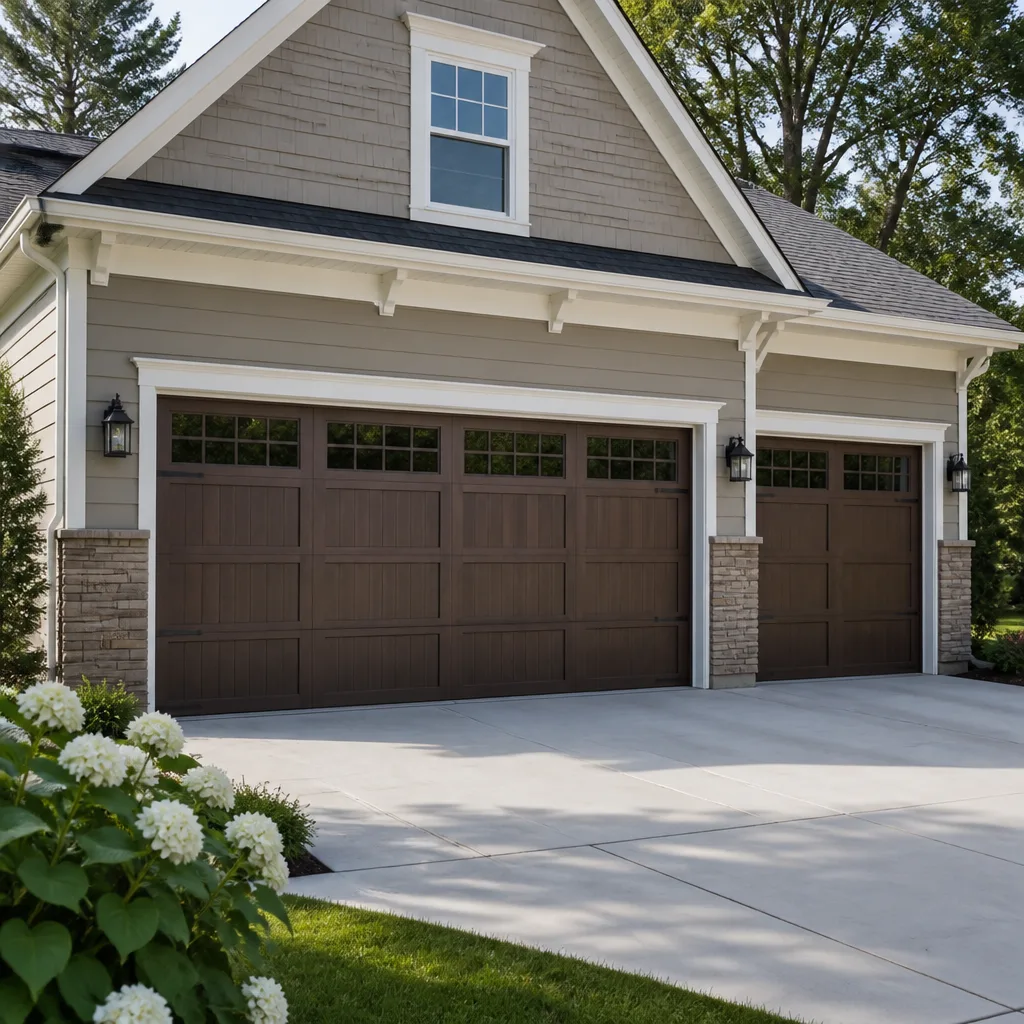
We also install impact garage doors, sliding glass and patio doors, and custom geometric windows for homes where standard rectangular openings won’t work. If you’re exploring impact windows in Miami Beach, the product and installation conversation should happen together, not separately.
How the Miami Beach Climate Affects Your Installation
Salt air, relentless sun, and tropical humidity combine to create one of the most demanding environments for windows and doors in the country. This affects everything from material selection to installation technique.
Salt air corrodes aluminum frames and hardware faster than freshwater environments. Over time, pitting and oxidation compromise the seal between the frame and the weatherstripping, allowing wind-driven rain to penetrate. In Miami Beach, coastal exposure means choosing products with the right finish - anodized or powder-coated aluminum, marine-grade stainless steel hardware - and a sealant schedule that accounts for movement caused by thermal expansion and contraction.
The sun is another factor. UV radiation from Miami Beach’s intense sunlight degrades vinyl and rubber components over time. Weatherstripping that lasts 20 years in a northern climate may need replacement after 10 years here. Your installation should use UV-stabilized materials rated for south-Florida exposure.
Humidity is the third factor. Condensation between panes, mold growth on interior frames, and wood rot in door thresholds are common in Miami Beach’s tropical climate. Proper installation includes attention to drainage channels, weep holes, and sill flashing that direct water away from the building envelope rather than trapping it inside.
These are not details you can afford to ignore - and they’re not details a fly-by-night installer will know to check.
When to Call a Professional
Some situations clearly call for professional help. If your windows are 20 years old or more, have visible frame corrosion, are difficult to open or close, or show signs of water intrusion around the frames, it’s time for a professional assessment. If you’ve had a failed inspection, a botched installation by a previous contractor, or an insurance claim that cited improper window installation as a contributing factor, you need an experienced installer to correct the work. And if you’re planning a major renovation that requires altering window or door openings, structural work, or new framing, that’s professional territory from day one. Winslow Windows & Doors offers free estimates in Miami Beach - call (863) 656-0462.
Frequently Asked Questions
Impact window installation in Miami Beach typically runs $800 to $1,400 per window for standard sizes, including materials, labor, permits, and inspection - with the final price depending on size, frame material, and the product’s Miami-Dade NOA approval status. For a deeper dive into pricing factors, see our Windows & Doors Cost Breakdown: The Miami Beach Homeowner’s Reference for 2026. Custom sizes, large sliding glass doors, and geometric windows cost more, sometimes significantly. Call (863) 656-0462 for a free estimate with line-item pricing.
A typical whole-home window replacement in Miami Beach takes 2 to 5 days for the installation itself, with 1 to 2 weeks before that for product ordering and permit processing. The timeline can stretch during peak hurricane season when the city’s inspection schedule tightens and manufacturers run at capacity. Ask your contractor for a written timeline with start and completion dates before you sign.
Yes, window and exterior door replacement in Miami Beach requires a building permit, and the work must pass city inspection to be legal. The permit must be pulled by the licensed contractor performing the work - not by the homeowner and not by a third-party expediter. Skipping the permit puts your insurance policy at risk and can create problems when you sell your home.
Yes, in many cases. Miami Beach homeowners who install Miami-Dade County-approved impact windows and doors may qualify for significant wind mitigation discounts on their insurance premiums, though the exact amount depends on your insurer and policy. Provide the installation certificate and NOA documentation to your agent to start the process. Call (863) 656-0462 to discuss how Winslow’s installation documentation can support your wind mitigation claim.
You can verify a contractor’s Miami-Dade County license through the county’s online contractor licensing portal, which shows the license type, current status, qualifying agent, and any disciplinary history. The search takes less than five minutes. You’ll want to confirm the license covers HVHZ work and that the qualifying agent matches the person you’re actually dealing with.
Impact windows are always installed - they protect your home 24/7 without requiring you to be present or to manually deploy shutters before a storm. Hurricane shutters require manual installation or activation before each storm and offer no protection between storms. In Miami Beach, impact windows are increasingly the standard choice because they combine security, noise reduction, energy efficiency, and storm protection in a single product. Call (863) 656-0462 for a free consultation on which option fits your home and budget.
The Bottom Line
Hiring a windows and doors contractor in Miami Beach is not complicated, but it does require discipline. Verify the Miami-Dade County license - not just the state license. Demand three insurance documents, including the impact-product installation endorsement. Confirm the contractor pulls the permit under their own license and attends every inspection. Read the contract for liability-shifting language, require local references, and be alert to storm-chaser red flags. Compare bids on product specifications, not just price. Do all of that, and you’ve done what most homeowners in this city never do: you’ve made a decision based on facts rather than pressure. Winslow Windows & Doors, owned by Ed Winslow and serving Miami Beach since 2011, is here when you’re ready for an honest conversation about your windows and doors.
Written by Ed Winslow, Owner at Winslow Windows & Doors, serving Miami Beach since 2011.
Six Reasons Homeowners Choose Winslow Windows & Doors
Impact systems engineered to design pressures up to +/-100, matched to your wind zone - your openings hold when the storm arrives.
Low-E insulated impact glass from our manufacturer lines commonly cuts monthly cooling bills 20-30%.
Laminated impact glass shuts out up to 40% of outside noise - traffic, neighbors, weather.
Monitoring services run $30-90 a month. Laminated impact glass resists forced entry around the clock, with no subscription.
Florida homeowners average around 25% savings on the windstorm portion of their policy after protecting every opening - some homes qualify for more.
A full impact package upgrades curb appeal, buyer confidence and appraised value in one project.