
Last updated August 27, 2026
Free in-home measure and quote - PGT, CGI and CWS impact lines compared on your actual openings, style by style

Sliding glass doors


PGTCGI
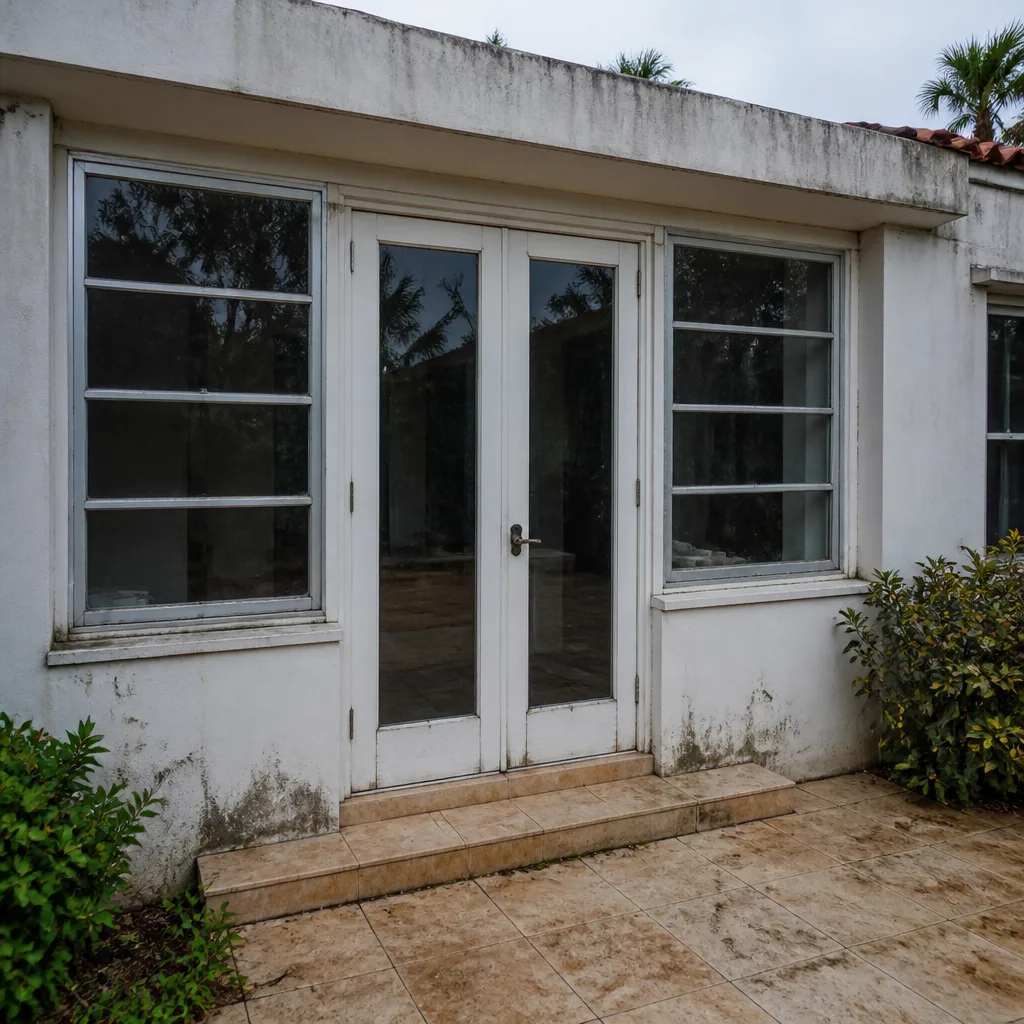 Before
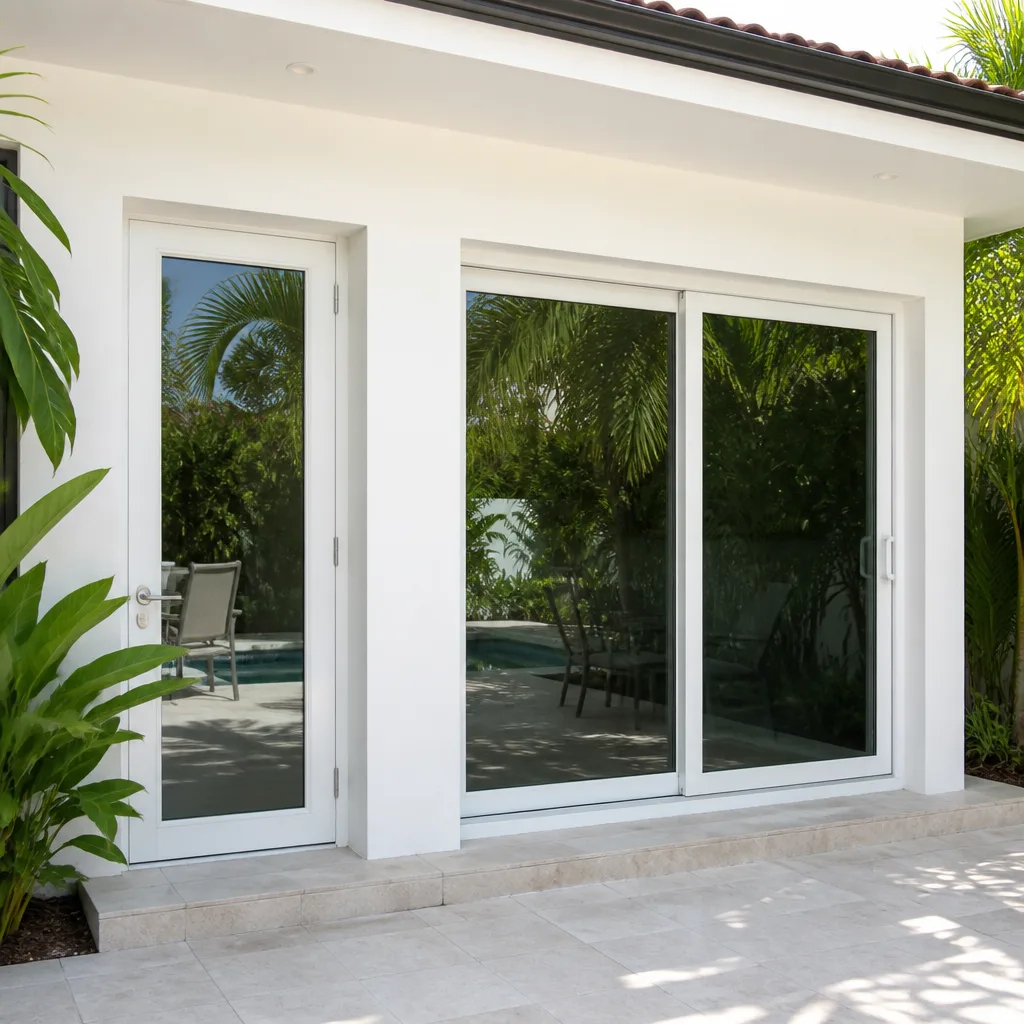 After
After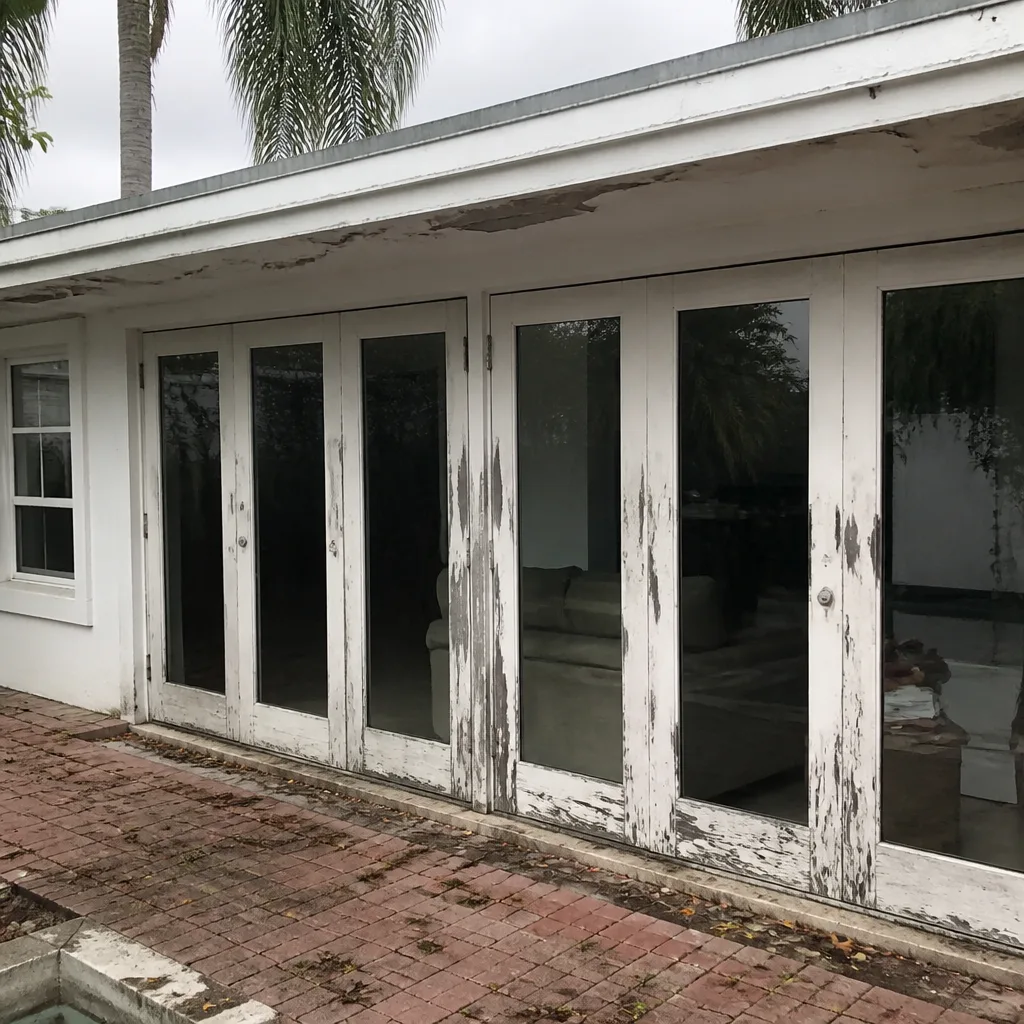 Before
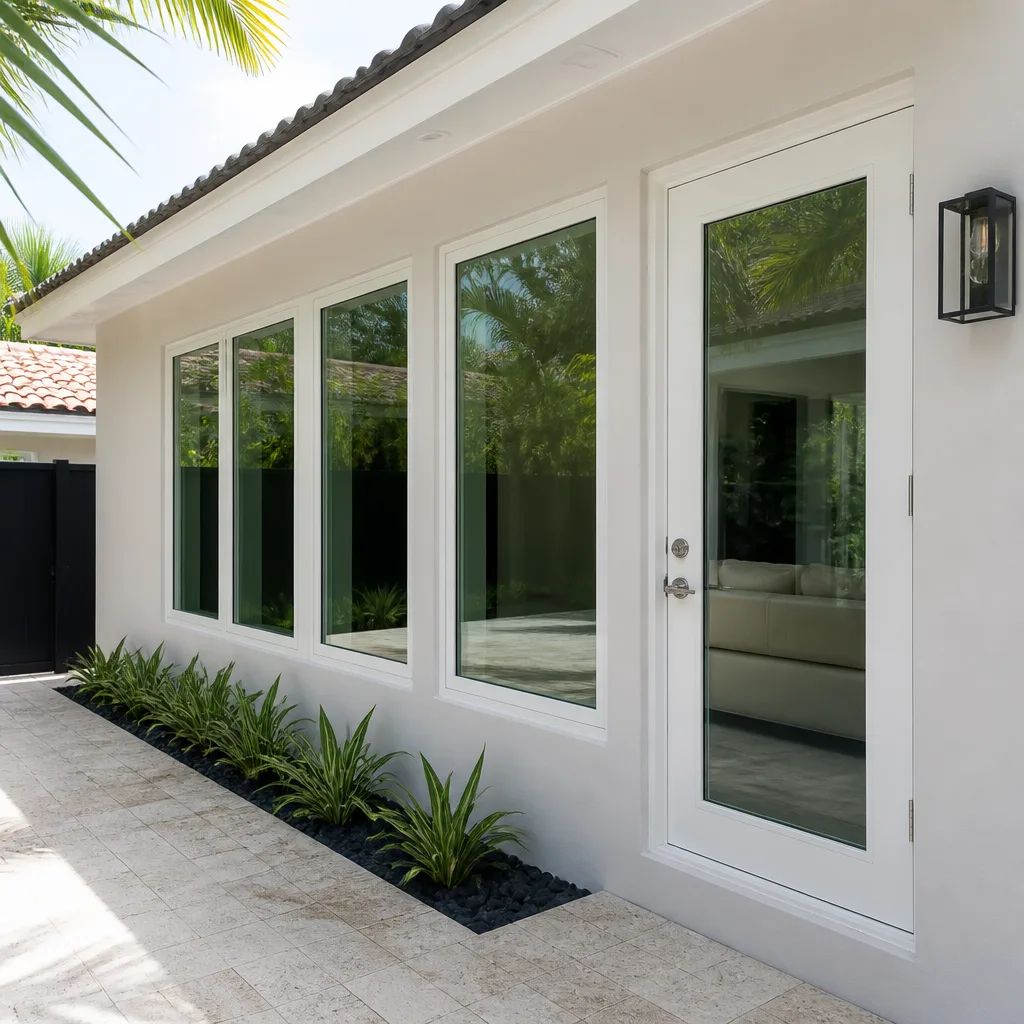 After
After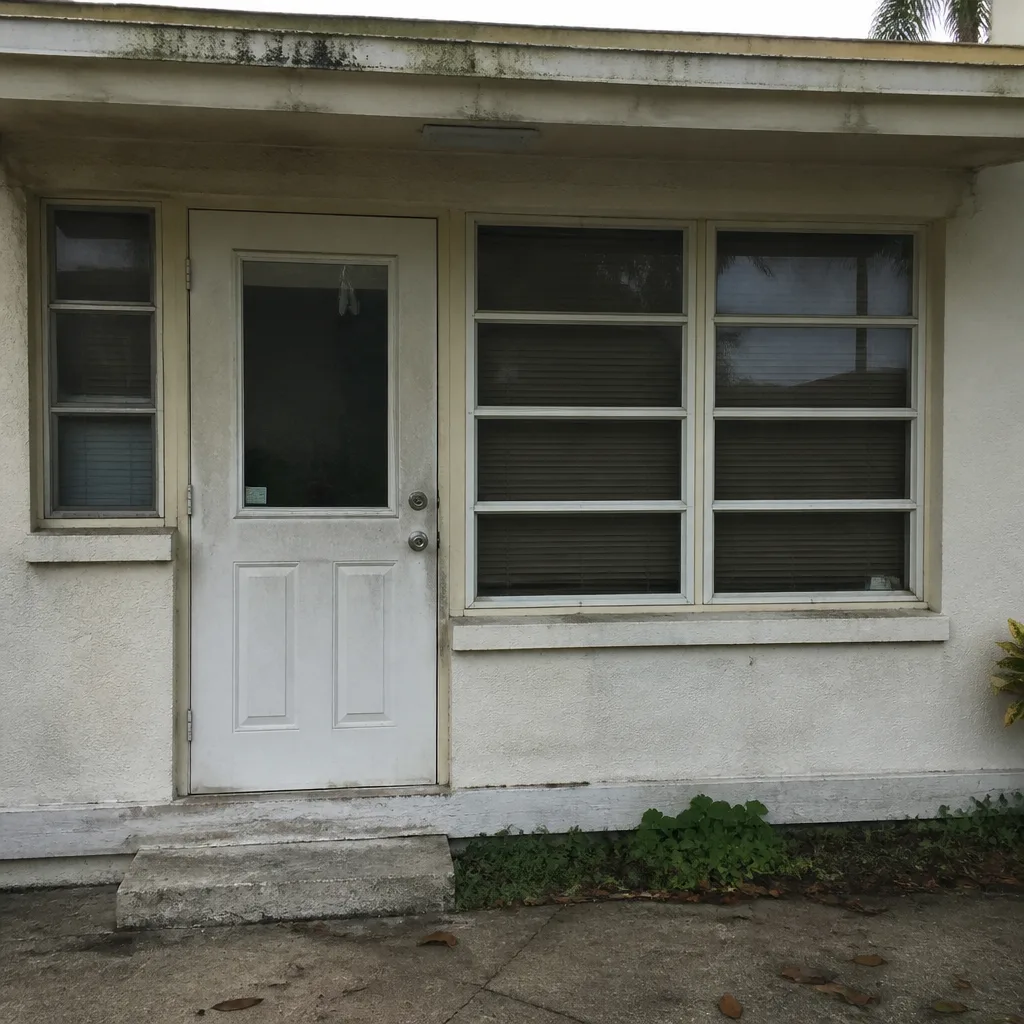 Before
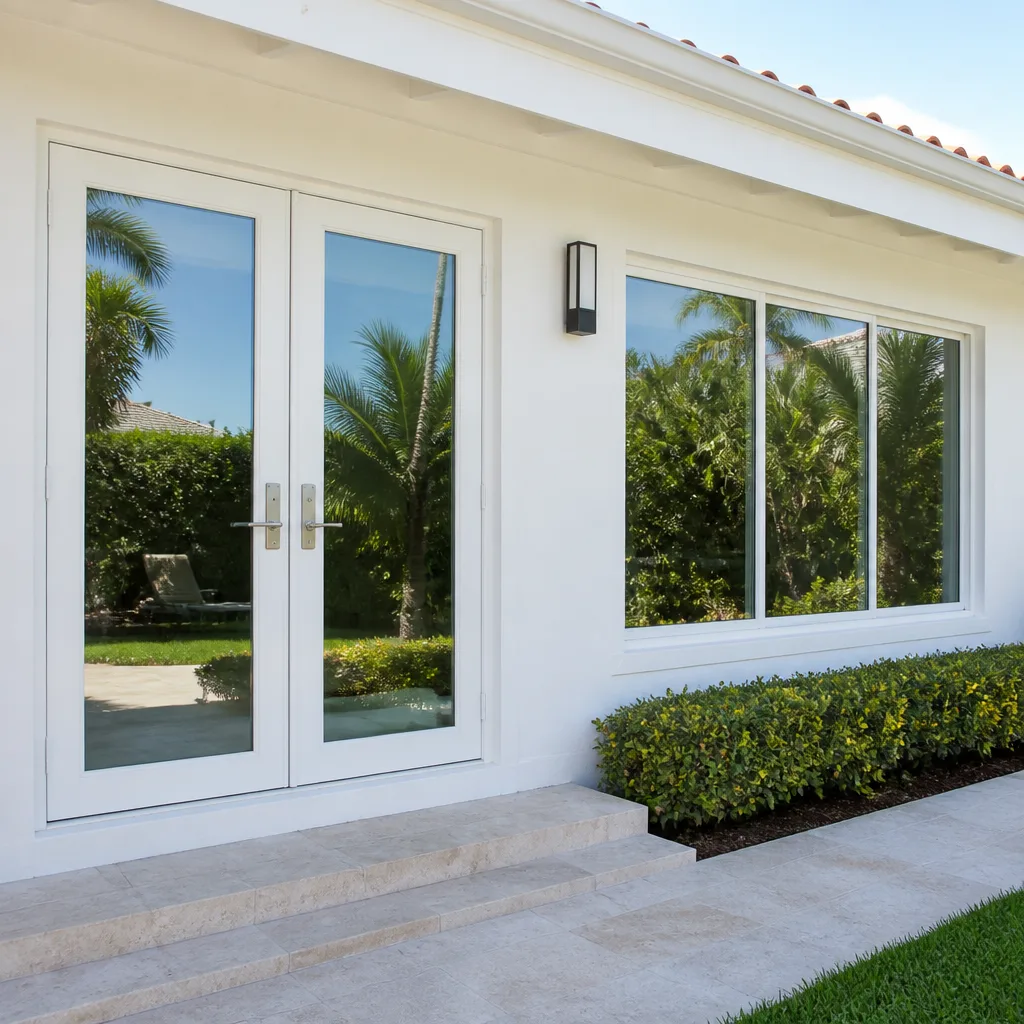 After
AfterSeasonal Windows & Doors Care for Miami Beach: Year-Round Homeowner’s Guide
Most Miami Beach homeowners spend May nervously checking hurricane forecasts, but the real damage to windows and doors happens between November and March, when the air finally dries out and nobody thinks about them at all. Salt, humidity, and UV work on your frames, seals, and hardware every single day, but the dry season is the only stretch when repairs actually cure properly. This guide walks you through the four weather-driven phases that matter in Miami Beach: the dry-season deep maintenance window, the pre-storm protocol, active hurricane season management, and the post-storm inspection sequence. For Windows & Doors Warning Signs: A Miami Beach Homeowner’s Reference Guide, see our dedicated resource. If you own property here, from South of Fifth to Normandy Isle, what follows will save you thousands over the life of your home.
Quick Answer
Miami Beach doesn’t have four traditional seasons, but it does have four distinct care phases for windows and doors: November through March (dry-season maintenance and seal work), April through May (pre-storm hardware checks and shutter readiness), June through November (active storm season monitoring and protection), and the 72 hours after any storm passes (documentation and inspection). The most expensive mistake homeowners make is treating all twelve months the same and skipping dry-season work, which is the only reliable window for caulk, paint, and threshold work to cure properly in this climate.
Table of Contents
- The Dry Season Is Miami Beach’s Real Maintenance Window (November-March)
- Pre-Storm Protocol: What to Check Before June 1 (April-May)
- Active Hurricane Season Management (June-November)
- The 72-Hour Post-Storm Inspection Sequence
- Salt Air by Address: How Distance from the Ocean Changes Your Cleaning Schedule
- Energy Efficiency by Season: Where Your Windows and Doors Leak Money
- Common Mistakes to Avoid
- When to Call a Professional
- Frequently Asked Questions
- The Bottom Line
The Dry Season Is Miami Beach’s Real Maintenance Window (November-March)
When the humidity drops below 65 percent for a sustained stretch, usually starting in November, silicone and polyurethane caulk can finally cure the way manufacturers intend. In the wet months, caulk applied to a slightly damp frame will peel within a year. In the dry season, the same bead lasts five or more. That single fact drives most of the maintenance calendar in Miami Beach, and it’s the reason we do more frame repairs, threshold replacements, and re-caulking between November and March than during any other stretch of the year.
The dry season is also the only practical time to repaint wood and aluminum-clad frames. Paint needs consistent temperatures between 60 and 85 degrees with low humidity to bond properly. Miami Beach winter daytime temperatures sit in that range almost daily, which means a repaint done in January will look better and last longer than the same job rushed through a humid June afternoon between thunderstorms.
Here’s what we recommend tackling during the dry season, in order of importance:
- Caulk inspection and replacement. Walk the perimeter of every window and exterior door with a flashlight. Look for caulk that has pulled away from the frame, cracked, or turned chalky. In Miami Beach, bead failure shows up first on east-facing openings where morning sun hits hardest.
- Track and roller cleaning on sliding doors. Sliding glass doors accumulate sand and salt grit in their tracks year-round, but dry season is when you can clean them without worrying about trapped moisture starting corrosion. Vacuum the track, wipe with a dry cloth, and lubricate rollers with a silicone-based spray. Never use WD-40 on door hardware: it attracts sand.
- Threshold replacement. If your exterior door thresholds are worn, cracked, or no longer making a tight seal against the door sweep, January and February are the months to replace them. The adhesive and sealant need low humidity to set properly.
- Frame repainting. Aluminum and wood frames on the ocean side of Miami Beach take UV punishment year-round. Repainting during dry season prevents peeling and protects the substrate from salt intrusion.
- Weatherstripping replacement. Door sweeps and weatherstripping compress over time. Replacing them in dry weather means the adhesive backing bonds completely, and you’ll see immediate improvement in your cooling bill.
We’ve worked on beachfront condos in South Beach and single-family homes in Biscayne Point, and the pattern is consistent: homes that get dry-season attention show dramatically less storm-season damage. The physics is simple. Sealed frames don’t let wind-driven rain find a way in, and lubricated hardware doesn’t bind when you need it most.
Pre-Storm Protocol: What to Check Before June 1 (April-May)
June 1 is the official start of Atlantic hurricane season, and Miami Beach homeowners should treat the last week of May as a hard deadline for specific readiness work. This isn’t about boarding up. It’s about verifying that every piece of protective hardware works before you actually need it. The worst time to discover a stuck accordion shutter track or a stripped lock mechanism is 48 hours before landfall, when every contractor in the county is booked solid. Before that deadline hits, review Windows & Doors Permits, Codes & Inspections in FL: What You Need to Know so you’re not scrambling for compliance paperwork too.
If you have impact windows, the pre-season checklist is shorter but no less important. Impact-rated glass is designed to take a direct hit, but the frames, latches, and seals need to be in working order for the system to perform as rated. Here’s the sequence we walk our clients through every April and May:
- Open and close every operable window. Listen for grinding, sticking, or unusual resistance. Operable windows on the east side of Miami Beach buildings take more salt exposure, and corrosion on hinges and balance systems is common within five years if not maintained.
- Inspect and test every lock and latch. A window that won’t lock can’t hold pressure during a storm, even if the glass is impact-rated. Test every latch. Replace or repair anything that doesn’t positively engage.
- Deploy accordion shutters fully, top to bottom, and leave them open for 24 hours. This does two things: it lets you identify bent tracks, missing screws, or seized rollers, and it lets the folded panels air out so trapped moisture doesn’t accelerate corrosion during storage.
- Check weatherproofing around all exterior door frames. Look for gaps where door frames meet your home’s exterior wall. Even a quarter-inch gap can allow wind-driven rain inside during a Category 2 or higher.
- Photograph every window and door, inside and out. If you’re in a flood zone like many parts of Miami Beach, pre-season photos are the baseline your insurance claim will be measured against. Date-stamp them.
- Trim trees and secure loose exterior items. This is a property-wide step, but it directly protects your windows and doors. A flying coconut or branch can shatter even impact-rated glass under the right conditions.
Homeowners who have Impact Windows in Miami Beach installed correctly still need to run through this protocol every year. The frame is the system, not just the glass, and frames age. We tell every client the same thing in late April: run the full deployment test now, because doing it for the first time in August is a gamble you don’t want to take.
Active Hurricane Season Management (June-November)
Once hurricane season begins, your job shifts from preparation to monitoring and response. Miami Beach’s geography makes this more complicated than inland communities. We’re a narrow barrier island, which means storm surge is a real threat to door seals and threshold-level openings, and wind speeds are amplified by the open ocean approach. Homes in Sunset Harbour and the Venetian Islands sit lower and closer to water than, say, homes in La Gorce or mid-Beach, and they need different judgment calls about when to deploy protection.
The most common question we get every summer: “Should I close my accordion shutters for every tropical storm, or wait until a watch is issued?” The answer depends on where you live and how old your shutters are. If you live east of Alton Road, close them for any named storm with predicted sustained winds over 50 mph. If you live west of Alton Road, monitor the forecast and close them when a hurricane watch is issued for Miami-Dade County. The extra deployment cycles on the east side are worth it: salt spray at the shoreline means even a weak storm can drive sand and debris into tracks and mechanisms.
Between storms, don’t just close the shutters and forget them. Here’s the active-season maintenance routine that keeps accordion shutters from seizing up mid-deployment:
- After every deployment, rinse tracks with fresh water. Salt residue dries into a crust that jams rollers and causes track corrosion. A garden hose with a spray nozzle is all you need. Do this before the shutter dries.
- Check for UV degradation on fabric panels. If you have fabric hurricane screens by ES Windows or similar fabric-style protection, inspect for thinning, fading, or small tears every four to six weeks during the season. UV at Miami Beach’s latitude destroys fabric faster than most manufacturers’ testing accounts for.
- Spray hinges and lock points with a dry Teflon lubricant after rinsing. This displaces moisture and leaves a protective film. In our experience, homeowners who do this after every deployment have shutters that still operate smoothly after a decade. Those who don’t are replacing tracks by year five.
- Keep a log. Note the date, the storm, and any issues you noticed during deployment. This log is valuable for warranty claims and for your own memory. Nobody remembers which storm bent that one track until the next storm is coming.
For doors specifically, active season raises the stakes on threshold seals. If water pools outside your door during heavy rain, watch how close it gets to the threshold. Miami Beach streets flood even in ordinary summer downpours, and standing water at the base of a door will find the smallest gap. Over the course of a single wet season, that repeated intrusion rots subfloors and delaminates door frames. It’s the most common door repair call we handle in September and October.
This is also the season when we see the most rapid deterioration of weatherstripping. High humidity causes rubber and vinyl to swell, and constant wet-dry cycling breaks it down faster than the dry-season months. If your door sweep looks compressed, cracked, or is visibly not making contact with the threshold, replace it mid-season rather than waiting for the November maintenance window. It’s a ten-minute repair that can prevent hundreds in water damage.
And a word about permanent storm protection: many homeowners in Miami Beach are moving away from accordion shutters entirely and installing impact-rated windows and doors as their permanent solution. Products from PGT and CGI dominate the local market because they’re designed and tested in Florida, and when installed properly, they remove the deployment question entirely. If you’re weighing that upgrade, it’s worth understanding that Window Replacement in Miami Beach is not a one-size-fits-all project. Coastal exposure, building height, and local code requirements all affect product selection.
The 72-Hour Post-Storm Inspection Sequence
The 72 hours after a storm passes are when insurance documentation matters most, and most homeowners get it wrong. The instinct is to clean up first and take photos later. By the time they pull out a camera, the evidence is gone. Here’s the sequence we recommend, and it applies whether you have impact windows, accordion shutters, or conventional glass:
- Photograph everything before touching anything. Walk the entire exterior and photograph every window, every door, every piece of hardware from multiple angles. Photograph debris on the ground near your home. Get close-ups of any visible damage. Do this before sweeping, rinsing, or throwing anything away.
- Document the storm itself. Note the date, time, storm name, highest wind you observed or that was reported for your area, and rainfall totals. This information strengthens your insurance claim and helps adjusters match damage to the event.
- Open and close every operable window and door slowly. If anything binds, sticks, or feels different than before the storm, note it and photograph the area. Impact windows can sustain hidden frame damage that doesn’t show in photographs but does affect future performance.
- Inspect seals and caulk joints with a flashlight. Wind-driven rain tests every seal on your home. Look for wet spots inside walls, water staining around frames, and any caulk that looks disturbed or separated.
- Run accordion shutters through a full cycle. After the storm passes and the wind drops, open them completely and close them again. Listen for grinding. Look for bent track sections that may have taken debris impact. Salt spray from the storm will be coating everything, so plan to rinse with fresh water after you photograph.
- Check thresholds and door sweeps for water intrusion. Lift rugs and check the floor surface within three feet of every exterior door. If you find moisture, dry it aggressively with fans and dehumidifiers, then determine where the water entered.
Only after all of this documentation is complete should you begin cleaning. And when you clean, rinse with fresh water first. Never dry-wipe salt residue off glass or metal: you’ll scratch the surface. A gentle fresh-water rinse dissolves the salt, then you can clean normally once the surface is salt-free.
If your inspection uncovers damage, most insurance policies include a provision for emergency mitigation, which means you can make temporary repairs to prevent further damage without voiding your claim. Keep receipts. Photograph the repair. And if structural damage to a window or door frame is visible, leave it alone and call a professional. Frames under stress can collapse unexpectedly when hardware is removed.
Salt Air by Address: How Distance from the Ocean Changes Your Cleaning Schedule
Not every Miami Beach home faces the same environmental load. We’ve inspected windows in Sunset Islands homes that were pitted within eight years and windows in mid-Beach condos that looked nearly new after fifteen, and the difference is almost entirely distance from the ocean combined with prevailing wind direction. Southeast winds dominate in Miami Beach, carrying salt spray inland from the Atlantic. A home in South of Fifth, one block from the water on the east side, receives dramatically more salt deposition than a home in Normandy Isle, even though they’re both Miami Beach addresses.
Here’s the practical breakdown we use when advising clients, adjusted for homes at different distances from the ocean:
- Within two blocks of the ocean (east of Collins Avenue, most of South Beach, North Shore oceanfront): Clean exterior glass and frames every two to three months. Inspect seals and hardware quarterly. Expect accelerated corrosion on any uncoated metal hardware, and expect to replace weatherstripping every two to three years rather than the four to five you’d see further inland.
- Two to six blocks from the ocean (much of mid-Beach, City Center, lower Normandy Isle): Clean glass and frames every four to six months. Salt deposition is still present but reduced enough that annual hardware inspection is usually sufficient if the home has quality coated hardware.
- Six or more blocks from the ocean (parts of La Gorce, upper Biscayne Point, the western edge of the island): Clean every six months to a year. Salt is still a factor because the island is narrow and winds carry spray across it, but the deposition rate drops off quickly once you’re past Alton Road and Biscayne Bay influence dominates.
Product selection also changes by address. Homes within two blocks of the ocean in Miami Beach should be using hardware with marine-grade coating and window frames designed for coastal exposure. Products from ECO Window Systems and Mr-Glass include coastal-rated models that hold up significantly better in salt-heavy zones than standard residential hardware. The right Window Installation in Miami Beach for a Normandy Isle home might not be the same product you’d choose for a South Beach condo, and knowing your address’s environmental load is step one in making that choice.
One more salt-air consideration: if your home has decorative hardware, like door handles, kick plates, or hinges, inspect the finish every time you clean. Salt intrusion under a finish causes pitting that can’t be reversed once it starts. Early replacement is far cheaper than repairing the corrosion damage that spreads from a failed finish.
Energy Efficiency by Season: Where Your Windows and Doors Leak Money
Miami Beach homeowners pay some of the highest cooling costs in the country, and windows and doors are the primary points of thermal exchange. But the mechanism changes by season. In summer, the problem is solar heat gain through glass and air leakage around worn seals. In winter, when we actually get those brief stretches of cooler weather, the problem reverses and poorly sealed openings let conditioned cool air escape while warm, humid air pushes in, and in spring and fall, the shoulder seasons, it’s all about managing humidity while running the AC less.
Seasonal patterns that affect energy performance in Miami Beach:
- Summer (June-September): Direct solar radiation hits east-facing windows every morning and west-facing windows every afternoon, and that radiant heat drives cooling load. Low-E coatings and impact-rated glass with thermal insulation make a meaningful difference now.
- Winter peak (December-February): When Miami Beach gets its few genuinely cool weeks, your AC cycles less and air leakage becomes the dominant energy loss. Gaps around door frames and windows that were tolerable in summer are now the main source of heat and humidity intrusion.
- Shoulder seasons (March-May, October-November): The balance between cooling and dehumidification shifts daily, and windows and doors that seal well let your HVAC run less while keeping indoor humidity below 55 percent. A home that can’t hold that humidity level is a home that grows mold in closets and behind furniture.
Here’s the sequence we use to diagnose energy loss in a Miami Beach home: first, we check direct sunlight exposure on east- and west-facing glass. Then we check for air movement around every door and window using a simple smoke test or thermal imaging. Then we inspect the seals. In our experience, half the homes we visit have air leakage that costs $50 to $150 per month in added cooling during peak summer, and almost all of it traces back to aging weatherstripping, worn door sweeps, or failing caulk.
If you want to test your own home, wait for a windy day and walk the perimeter with a lit incense stick. Hold it near every frame edge. If the smoke wavers or blows sideways, you’ve found a leak. That’s a five-dollar test that tells you where your money is going.
Common Mistakes to Avoid
- Re-caulking during the summer humidity. Caulk applied to a damp surface or in high humidity fails within a year. Miami Beach’s summer weather guarantees poor cure conditions. Save caulk work for the dry season.
- Skipping the pre-season shutter test. Discovering a seized accordion shutter track in late August means paying emergency rates or going without protection. Testing in May takes thirty minutes and costs nothing.
- Cleaning salt off glass with a dry cloth. Dry-wiping salt residue scratches glass permanently. Always rinse with fresh water first, then clean normally.
- Using petroleum-based lubricants on door and window hardware. WD-40 and similar products attract sand and salt, which accelerates wear in Miami Beach’s environment. Use dry Teflon or silicone spray instead.
- Ignoring minor water stains around door thresholds. That faint waterline after heavy rain is the first visible sign of a failed threshold seal. In Miami Beach, where streets flood in ordinary afternoon storms, it will get worse fast.
- Assuming impact windows need zero maintenance. Impact-rated glass is outstanding protection, but the frames, latches, and seals still degrade. Annual inspection and lubrication is still required.
- Documenting storm damage after cleanup. Insurance claims are built on photographic evidence. Once you’ve cleaned, the evidence is gone. Photo first, clean later, every single time.
When to Call a Professional
Some seasonal maintenance is DIY-friendly, but certain situations require a trained eye and proper equipment. If your window frames show visible corrosion, pitting, or flaking finish, that’s structural deterioration, not cosmetic aging, and it needs assessment. If any door or window is binding, sticking, or won’t latch securely, the issue could be frame settlement, hinge damage, or salt intrusion into the balance system: all of these get worse with time and DIY force. If your impact windows take a direct hit during a storm, the glass may look fine while the laminate layer is compromised, and only a professional inspection can confirm whether the window still meets its rating. If you’re planning window replacement and you live within two blocks of the ocean, code compliance for impact rating and product approval is non-negotiable, and the right contractor will handle permit paperwork. For typical project ranges, see our Windows & Doors Cost Breakdown: The Miami Beach Homeowner’s Reference for 2026.slow Windows & Doors offers free estimates in Miami Beach. Call (863) 656-0462 and Ed or a member of the team will walk you through exactly what needs attention and what it will cost, in plain English.
Frequently Asked Questions
Homes within two blocks of the ocean should have exterior glass and frames cleaned every two to three months due to salt deposition. Homes further inland can typically go four to six months between cleanings. Always rinse with fresh water before wiping to avoid scratching salt into the glass.
November through March is the only reliable window for caulk work in Miami Beach. Humidity drops low enough during these months for silicone and polyurethane sealants to cure properly, which means the bead lasts five years or more instead of failing within twelve months like summer-applied caulk often does.
Yes. The glass is impact-rated, but the frame, latches, seals, and weatherstripping all degrade over time, especially in salt-heavy coastal zones. Annual inspection, hardware lubrication, and seal checks are recommended, and any damage to the frame should be evaluated by a professional because the rated performance depends on the full system working together.
After each deployment, rinse tracks with fresh water, spray hinges with dry Teflon lubricant, and check for any bent track sections or seized rollers. Storing shutters with salt residue on them is the fastest way to destroy the tracks, and in Miami Beach’s marine environment, that can mean track replacement within a few seasons.
Homes within two blocks of the ocean see the most aggressive salt deposition, especially east of Collins Avenue. But salt travels further than most people expect: wind carries it across the island, and homes six blocks from the water still benefit from regular cleaning and coated hardware. The intensity changes by distance, but salt is a factor everywhere in Miami Beach.
Basic seasonal maintenance like caulk replacement, weatherstripping, and hardware lubrication typically costs between $150 and $500 depending on how many openings your home has and what condition they’re in. More involved work, like threshold replacement or frame repainting, runs $300 to $1,200. For an exact quote on your Miami Beach home, call Winslow Windows & Doors at (863) 656-0462. Estimates are free.
The Bottom Line
Miami Beach homes don’t rest: the salt, the sun, the humidity, and the storms keep working on your windows and doors every day of the year. The homes that hold up best are the ones where the owner follows the seasonal rhythm: dry-season maintenance from November to March, pre-storm checks before June 1, active-season protection and rinsing through November, and documented post-storm inspection within 72 hours. Skip the dry-season work and every other phase gets harder. Skip the pre-storm test and you’re gambling with the safety of your home. The calendar here doesn’t care about traditional seasons, and neither should your maintenance routine. Winslow Windows & Doors has been serving Miami Beach since 2011, and we’re still the one down the road: call (863) 656-0462 any time, any season. For more guides & resources, visit our blog. A live person picks up.
Written by Ed Winslow, Owner at Winslow Windows & Doors, serving Miami Beach since 2011.
Six Reasons Homeowners Choose Winslow Windows & Doors
Impact systems engineered to design pressures up to +/-100, matched to your wind zone - your openings hold when the storm arrives.
Low-E insulated impact glass from our manufacturer lines commonly cuts monthly cooling bills 20-30%.
Laminated impact glass shuts out up to 40% of outside noise - traffic, neighbors, weather.
Monitoring services run $30-90 a month. Laminated impact glass resists forced entry around the clock, with no subscription.
Florida homeowners average around 25% savings on the windstorm portion of their policy after protecting every opening - some homes qualify for more.
A full impact package upgrades curb appeal, buyer confidence and appraised value in one project.