
Last updated August 27, 2026
Free in-home measure and quote - PGT, CGI and CWS impact lines compared on your actual openings, style by style
Sliding glass doors
PGTCGI
 Before
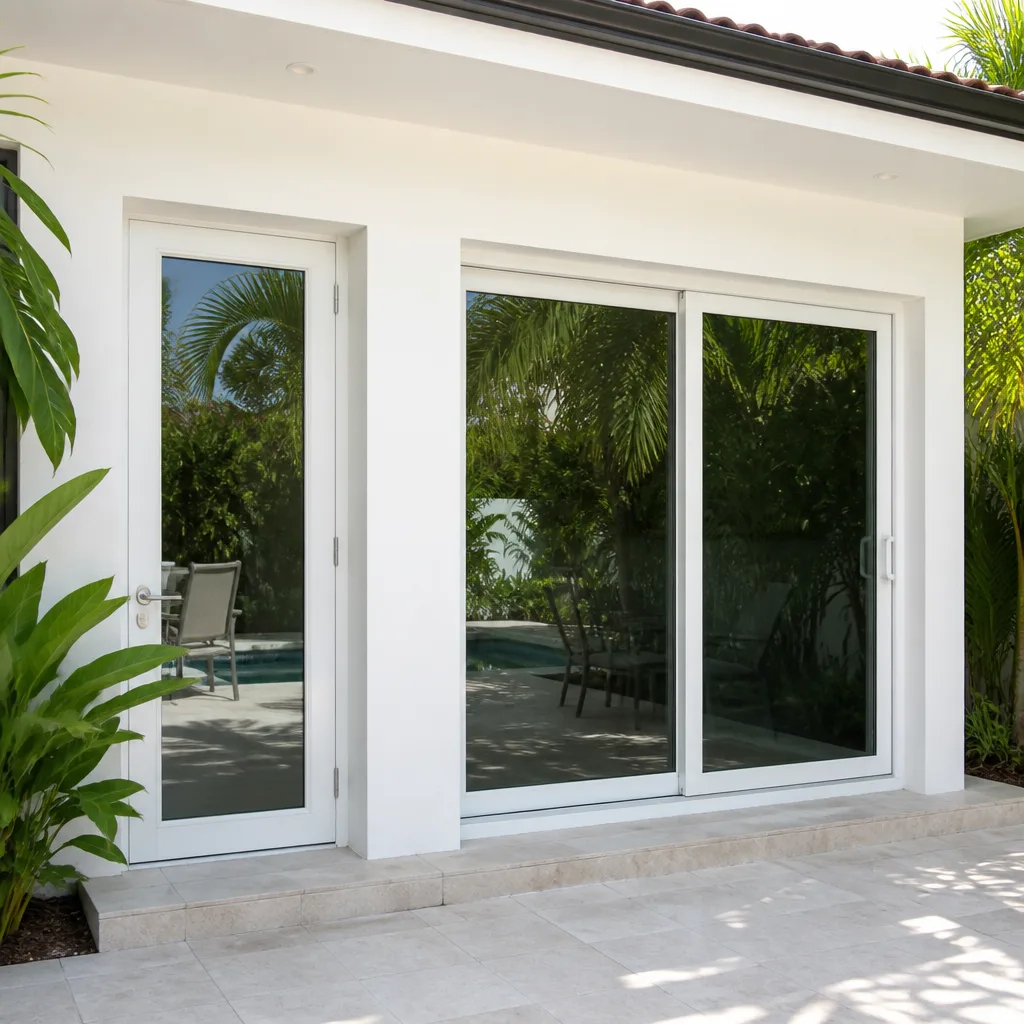 After
After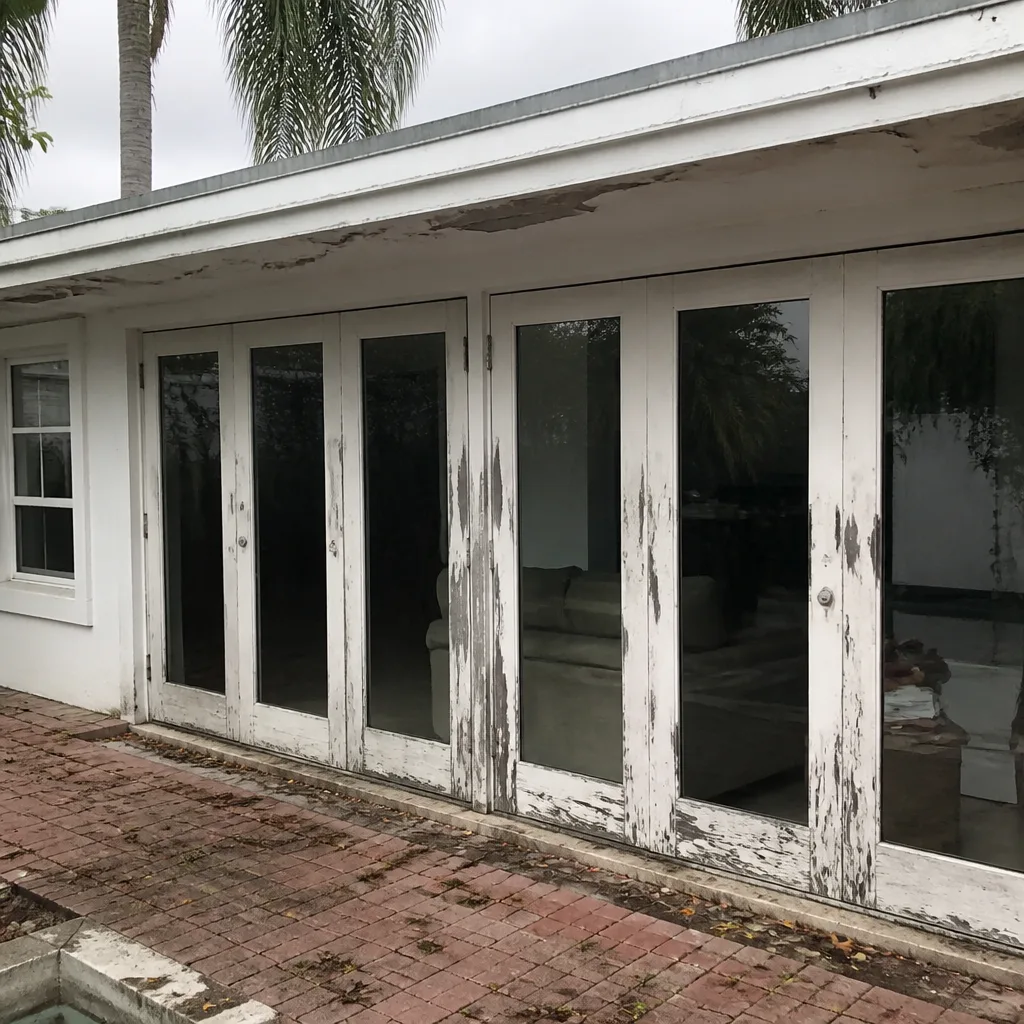 Before
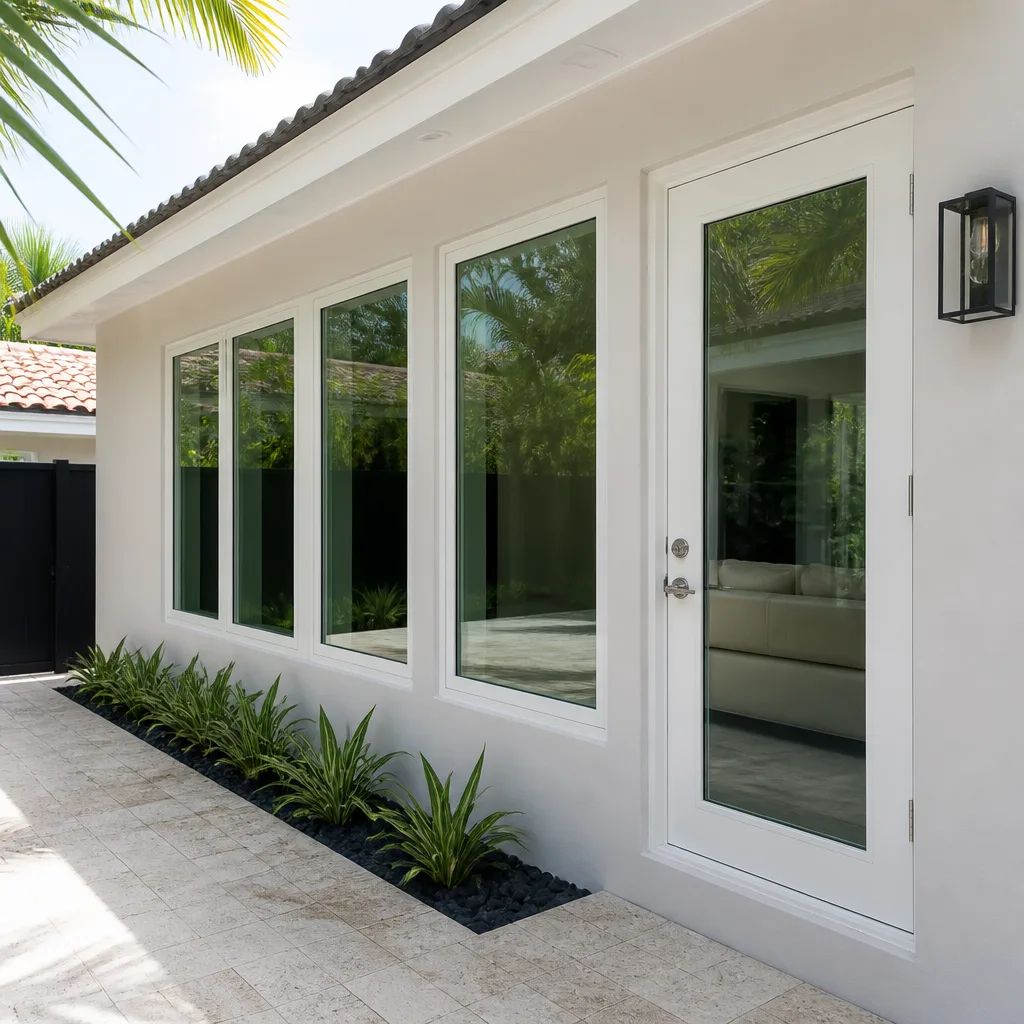 After
After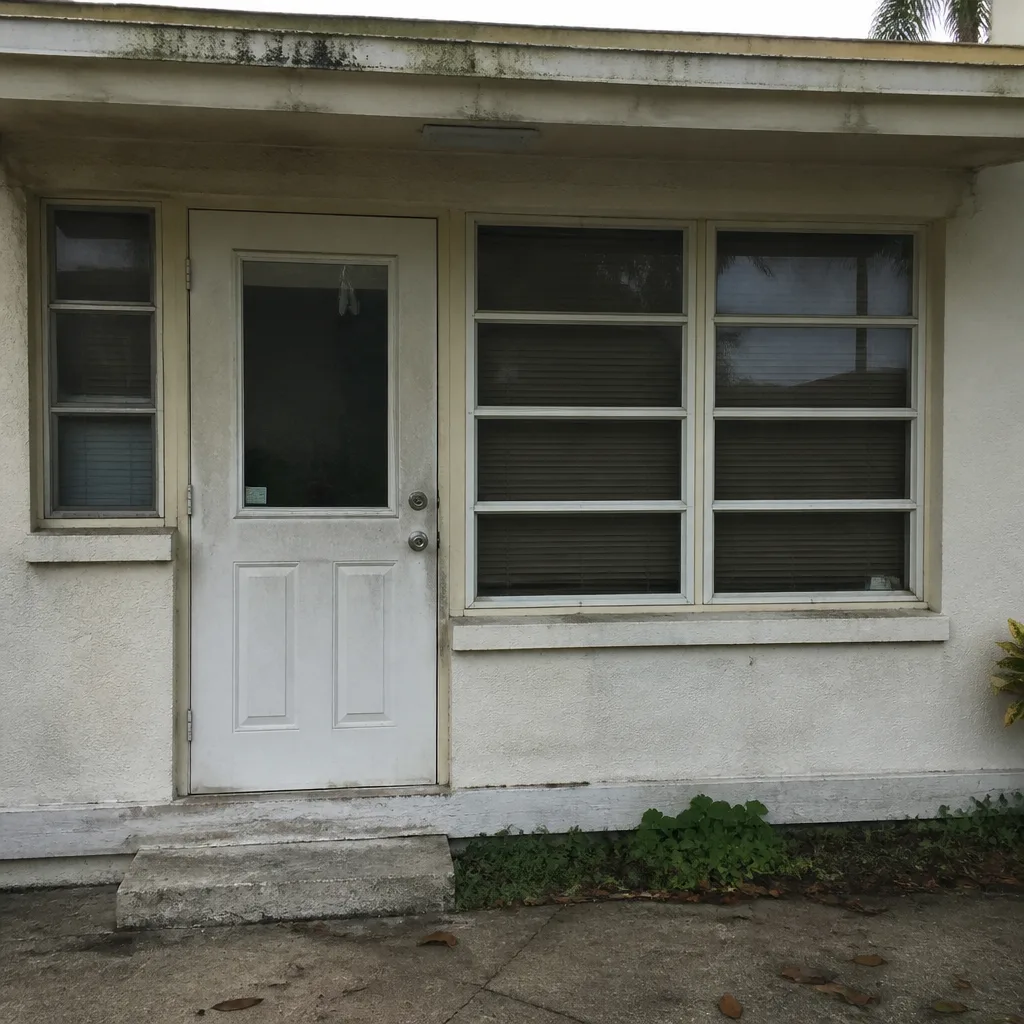 Before
 After
AfterWindows & Doors Permits, Codes & Inspections in FL: What You Need to Know
A Miami Beach homeowner had brand-new impact windows removed and reinstalled at their own expense because the contractor pulled a county permit instead of a city permit. The bill came to just over $4,000. The windows were perfectly good. The installation was solid. The paperwork was wrong, and in Miami Beach, the paperwork is part of the building. This guide-along with our Complete Guide to Windows & Doors in Miami Beach-walks you through the full permit chain for windows and doors in Florida, with a focus on the layered requirements that make Miami Beach different from the rest of the state. You’ll learn which permits you actually need, how Miami-Dade NOAs work, what inspectors check, and how to avoid the mistakes that turn a window replacement into a financial wound.
Quick Answer
Florida building code sets a statewide baseline for window and door permits, but Miami Beach adds a municipal layer on top of Miami-Dade County’s requirements, including NOA product approvals, historic-district certificates, and a city-level permit that must accompany the county permit for most exterior work. Before you buy a single window or door in Miami Beach, confirm three things: the product has a current Miami-Dade NOA, the installer is licensed in Florida, and the project has city and county permits pulled in the right sequence.
Table of Contents
- Miami Beach’s Layered Permit Jurisdiction: Who Actually Approves What
- Miami-Dade NOA Explained: The Number Every Window Must Carry
- Historic Districts and the Certificate of Appropriateness
- The Three Mandatory Inspection Stages for Impact Windows and Doors
- Unpermitted Work, Insurance, and Resale Title: The Hidden Liabilities
- What Permits Actually Cost in Miami Beach
- DIY vs. Licensed Contractor: Where the Line Is
- Common Mistakes to Avoid
- When to Call a Professional
- Frequently Asked Questions
- The Bottom Line
Miami Beach’s Layered Permit Jurisdiction: Who Actually Approves What
Most Florida homeowners think of “the permit” as a single piece of paper. In Miami Beach, that assumption costs people real money. You’re dealing with two distinct governments: Miami-Dade County and the City of Miami Beach. Both have permitting authority. Both enforce codes. And for most window and door replacement jobs, you need approval from both.
Miami-Dade County handles the structural and product-approval side. The county’s Building Department reviews the window or door product itself through the NOA system (more on that below) and confirms the installation meets the Florida Building Code’s wind-load requirements. The City of Miami Beach, which operates its own Building Department, handles the municipal permit that governs the actual work at your address. The city checks zoning, historic-district status, setback requirements, and local amendments to the building code.
Here’s the sequence that works, in our experience:
- Verify the property’s status first. Is the home in a historic district? If so, that changes the entire timeline. Run this check before you buy products.
- Confirm the product carries a valid Miami-Dade NOA. Without this, the county won’t approve the permit, and no city permit will follow.
- Pull the county product approval and the city building permit together. A competent contractor files both as part of one coordinated application. Filing them separately, or filing one without the other, is where stop-work orders come from.
- Schedule inspections through the correct agency at the correct stage. The city inspects the installation; the county certifies the product.
The homeowner in the opening story lost $4,000 because the contractor pulled a county permit for product approval but never pulled the City of Miami Beach permit for the actual installation work. The city’s inspector caught it during a routine drive-by, issued a stop-work order, and then required the already-installed windows to be removed so the installation could be re-inspected from scratch. Permits are not interchangeable. The jurisdiction matters.
Miami-Dade NOA Explained: The Number Every Window Must Carry
An NOA is a Notice of Acceptance. It’s a product approval certificate issued by Miami-Dade County’s Product Control division, and it’s the single most important document in South Florida window and door work. If a window or door doesn’t carry a current NOA, it cannot legally be installed anywhere in Miami-Dade County, including Miami Beach. Period.
The NOA number itself looks like a code: something like NOA No. 21-0723.15. The first two digits are the year of approval, and the suffix digits track revisions and expansions. Every NOA is tied to a specific manufacturer, a specific product line, and a specific configuration, including size limits, glass type, and frame material. A PGT window with a 6-foot width limit doesn’t automatically get approval at 8 feet just because it’s the same “model.” The NOA is what governs.
Here’s how to verify an NOA before installation:
- Ask the contractor for the exact product name and the NOA number for the specific size and configuration you’re buying.
- Go to the Miami-Dade County Building Department’s online product control database.
- Enter the NOA number and confirm the approval is still active and hasn’t expired or been revised out.
- Check the drawings attached to the NOA match your installation details, including anchorage, lintel requirements, and maximum size.
Expired NOAs are more common than people think. Manufacturers update product lines, and older approvals lapse. An installer who bought inventory two years ago might be selling a product whose NOA expired last spring. That product cannot pass inspection, and you, the homeowner, own that problem once it’s on your wall. We’ve also seen homeowners get talked into sister products from the same manufacturer, assuming one NOA covers them. It doesn’t. Each product line stands or falls on its own approval.
Authorized product lines we work with regularly, such as PGT for impact windows and Therma-Tru for entry doors, all carry active NOAs in the Miami-Dade system. But we verify every approval before every quote, because an NOA is only as good as its expiration date.
Historic Districts and the Certificate of Appropriateness
Miami Beach has some of the strictest historic preservation rules in Florida. The Art Deco District, Flamingo Park, North Shore, and several other neighborhoods fall under the authority of the Miami Beach Historic Preservation Board. If your home is inside one of these districts, you cannot replace windows or doors based on county and city building permits alone. You also need a Certificate of Appropriateness, or COA.
The COA process is a design review, not a structural review. The board cares about how the building looks, not how it holds up in a hurricane. For window and door replacement, the board typically reviews:
- Frame material and finish. Vinyl frames often get rejected in historic districts. Aluminum or wood is more common, with specific color requirements.
- Mullion configuration. The pattern of glass divisions must match the building’s original character. A modern picture window replacing a divided-light original will likely fail the review.
- Impact glass treatment. The board accepts impact-rated glass, but it may require a specific tint or reflective quality to match the original aesthetic.
- Door style and hardware. Entry doors are heavily scrutinized. The board wants period-appropriate style, even when the door itself is a modern impact-rated product.
Timelines vary. A straightforward COA application in a non-contributing building might get through in 3 to 6 weeks. A contributing building, or a property in a higher-scrutiny district, can take 8 to 12 weeks or longer. The board meets on a schedule, and missing a deadline means waiting for the next cycle.
Documentation that survives board scrutiny includes current photographs of the existing windows and doors, product specification sheets from the manufacturer, a site plan showing the building’s elevations, and a written justification for the replacement that addresses preservation standards. Vague applications get tabled. Specific ones move.
Miami Beach’s less well-known requirement involves what happens after COA approval. The COA is not the permit. You still need the city building permit and the county product approval. The COA is the first of three approvals, not the last. Homeowners who assume the COA is the whole process get a hard lesson when the city issues a stop-work order because the actual building permit was never pulled. We’ve walked more than one Miami Beach homeowner through the COA process after they attempted a window replacement without it. In every case, the retrofit was more expensive than doing it in the right order.
The Three Mandatory Inspection Stages for Impact Windows and Doors
If you’re replacing windows or doors in Miami Beach with impact-rated products, expect a minimum of three inspections. Some projects trigger more, but these three are the backbone.
Stage 1: Rough Opening Inspection (Before Installation)
This happens after the old window or door is removed but before the new product goes in. The inspector checks the condition of the rough opening: the framing, the substrate, and any water intrusion damage. In Miami Beach, where salt air and humidity chew through wood frames, inspectors pay close attention to rotten sills and leaking headers. If the opening fails this inspection, the installation stops until the framing is repaired. You can’t hide rot behind a new impact window and call it done. The inspector is looking for exactly that.
Stage 2: Anchorage and Product Approval Inspection (During Installation)
This is a Miami-Dade specific inspection, and it’s where the NOA matters most. The inspector verifies the product being installed matches the NOA documentation: correct product, correct size, correct anchorage pattern, correct fastener type and spacing. In Miami Beach, the city inspector handles this stage, and the inspector cross-checks the product against the county’s approval database. A single mismatched fastener size can fail this inspection, and the fix isn’t cosmetic. The product comes out, the anchorage gets redone, and the inspection gets rescheduled.
Stage 3: Final Inspection and Water Infiltration Test (After Completion)
The final inspection covers the finished installation: flashing, sealant, trim, and the overall water-tightness of the assembly. In Miami Beach, inspectors may require a water infiltration test on exterior doors, especially sliding glass doors and multi-slide systems. The test involves spraying the exterior of the installed unit with water at a specific pressure and watching for leaks on the interior side. If water gets through, the installation fails, and the sealing work starts over.
The timing between these stages matters. A contractor who schedules the rough opening inspection on a Monday and installs on a Tuesday is cutting corners. Inspections need to be called in advance, and the window between stages is real. In our experience as a window installation contractor in Miami Beach, a typical three-stage inspection timeline takes 2 to 4 weeks, depending on inspector availability and whether any failures occur. Planning around that timeline, rather than rushing it, is the difference between a clean close-out and a messy one.
Unpermitted Work, Insurance, and Resale Title: The Hidden Liabilities
Unpermitted window and door work creates three problems that surface at the worst possible times: the insurance claim that gets denied, the home sale that collapses, and the insurance rewrite that triples the premium.
Florida’s insurance market has been brutal since the last several hurricane seasons, and carriers are looking for reasons to deny claims. If a window fails during a storm and the carrier discovers the window was installed without a closed permit, the carrier will deny the claim on the grounds that the product was never code-verified. It doesn’t matter that the window was impact-rated. It doesn’t matter that the installation was solid. No closed permit means no coverage. We’ve seen homeowners in Miami Beach lose six-figure claims over unpermitted window work that saved them maybe $400 in permit fees. That’s not a trade. That’s a trap.
Resale is where unpermitted work surfaces publicly. Florida law requires sellers to disclose unpermitted improvements, and savvy buyers in Miami Beach contract their own inspectors to cross-check the property against the city’s permit database. An unpermitted window replacement shows up, and the buyer either demands a price reduction equal to the cost of retroactive permitting (plus removal if the product can’t be verified), or walks entirely. In Miami Beach’s market, where properties move fast, an open permit or an unpermitted improvement is the kind of friction that kills deals.
Retroactive resolution is possible, but it’s slower and often more expensive than doing the permit on the front end. The process typically looks like this:
- Pull the permit after the fact as an after-the-fact application. The city charges a fee premium for this.
- Document the installation with photographs, receipts, and whatever product information survives.
- Verify the product against the NOA database. If the product doesn’t carry a current NOA, the window or door comes out. There’s no workaround.
- Schedule the required inspections retroactively, which means the inspector reviews work that’s already covered by trim and paint, potentially requiring exploratory openings.
- Close the permit and update the property record.
In our experience, retroactive permitting costs two to three times what the original permit would have cost, and it takes longer. The municipality is not obligated to be fast when you’ve skipped the line.
What Permits Actually Cost in Miami Beach
Most guides to this topic skip the numbers. Here they are, based on current Miami Beach and Miami-Dade building department fee schedules. These are typical ranges for a standard impact window and sliding glass door replacement on a single-family home:
| Permit or Review | Cost Range | Notes |
|---|---|---|
| City of Miami Beach building permit | $150 - $450 | Based on valuation; window replacements total valuation drives this |
| Miami-Dade County product approval review | $0 - $100 | Included with county permit application when product in NOA database |
| Certificate of Appropriateness (historic districts) | $100 - $1,500 | Varies by building status; contributing buildings higher |
| Inspection fees | $50 - $150 per inspection | Three minimum; more if failures occur |
| After-the-fact permit premium | Doubles permit fee | Applied when permit pulled after work done |
Total permit costs for a typical Miami Beach window and door replacement run $400 to $1,200, not counting COA fees in historic districts. That’s real money, but it’s a fraction of what unpermitted work costs when insurance denies a claim or a sale falls apart. We tell every Miami Beach homeowner the same thing: the permit is the cheapest insurance policy you’ll ever buy. Our window replacement work in Miami Beach always includes permit costs in the written quote, so there’s no surprise line item at the end. If a contractor’s estimate doesn’t mention permits, ask why.
DIY vs. Licensed Contractor: Where the Line Is
Florida law allows homeowners to act as their own contractor for work on their own residence, including window and door replacement, if the homeowner occupies the property and completes the work themselves. On paper, that means a Miami Beach homeowner could pull the permits, buy the products, install them, and pass inspections without any licensed contractor involved-though our DIY vs Professional guide explains why that rarely ends well. In practice, that scenario is rare, and here’s why: the homeowner-as-contractor exemption requires the homeowner to accept all liability for every stage of the project, including product verification, installation quality, and future performance. If a self-installed impact window fails during a hurricane, the homeowner has no contractor to call. The manufacturer’s warranty may or may not apply, depending on whether the installation meets the manufacturer’s specifications. Most impact window warranties require installation by a licensed contractor to remain valid.
Beyond legal liability, there’s the practical reality. Impact windows in Miami Beach are heavy. A standard 4-foot-by-6-foot impact window can weigh 150 to 200 pounds. Mishandling one during installation causes broken glass, injured backs, and damaged products that no warranty will cover. And because impact windows are structural elements, not decorative ones, the installation has to be exact: the right anchorage pattern, the right sealant, the right reveal for the rough opening. A window that’s installed half an inch out of plane fails inspection, and the fix requires pulling the product and starting over.
The code-compliant path, for most Miami Beach homeowners, is a licensed Florida contractor who has experience with the Miami-Dade product approval system and the City of Miami Beach’s permitting process. That’s not gatekeeping. That’s the reality of a regulatory structure that becomes more complex with every code cycle, and homeowners who try to shortcut it end up paying the retroactive premium we described above. Winslow Windows & Doors was built for exactly this kind of project. We’ve been installing impact-rated windows and doors in South Florida for over 15 years, and Ed Winslow’s name is on every job, including every permit application and every inspection scheduling call. That’s what accountability looks like in this business.
Common Mistakes to Avoid
- Skipping the NOA verification. A contractor says “this product is Miami-Dade approved,” and the homeowner trusts it. Trust is not a check. Verify the NOA number against the county database before any money changes hands. An expired or mismatched NOA means the product comes out, and the cost is yours.
- Pulling county but not city permits, or vice versa. Miami Beach requires both, and they’re not the same thing. A county product approval doesn’t authorize work at your specific address. The city permit doesn’t substitute for county product verification. The two-step system exists for a reason, and the inspectors on both sides know how to spot a shortcut.
- Ignoring historic-district status. Miami Beach’s map of historic districts doesn’t always match what homeowners assume. A property that looks like a standard mid-century home might be in a contributing district with COA requirements. Check the city’s historic preservation map before you fall in love with a particular window style.
- Accepting a quote that doesn’t itemize permits. Any written estimate for window or door work in Miami Beach should show permit costs as a line item. If it doesn’t, the contractor is either planning to skip permits (which creates the insurance and resale problems above) or planning to add the cost later (which is a bait-and-switch). Our quotes always include permits, and our pricing is upfront, no surprises on the invoice.
- Scheduling installation before inspections are confirmed. The rough opening inspection happens between removal and installation. If the contractor removes your old window and the inspector can’t get there for three days, your house sits open for three days. Coordinate the inspection schedule before swinging a hammer.
- Assuming a COA is the same as a permit. In historic districts, the Certificate of Appropriateness is the first of three approvals. It’s not the permit, and it doesn’t authorize installation. The building permit is separate, and the county product approval is separate. Missing any one of the three stops the job.
- Believing an old permit covers new work. Permits are specific to the scope of work described in the application. A permit for a sliding glass door replacement doesn’t cover a full window replacement a year later. New scope means new permit. Every time.
When to Call a Professional
Any window or door replacement in Miami Beach involving impact-rated products, multi-story installations, or properties in historic districts warrants a licensed contractor. These aren’t projects where you learn as you go. The permit chain alone, with its county and city components, is enough to derail a well-intentioned homeowner, and the safety stakes are real: a window that fails during a hurricane is a hole in the side of your house, not a cosmetic issue. If you’re unsure whether your project needs a COA, or whether the product you’re considering carries a current NOA, or whether the contractor you’re talking to has actually done permitted work in Miami Beach before, call someone who knows. Winslow Windows & Doors offers free estimates throughout Miami Beach, and we’re happy to walk you through the permit requirements for your specific property before you commit to anything. Call (863) 656-0462 and you’ll reach a live person, not a voicemail tree.
Frequently Asked Questions
Yes. Florida building code requires a permit for any window or door replacement that is not a like-for-like unit change, and even like-for-like replacements in Miami Beach require a permit because of the city’s inspection requirements. The primary question is which permits you need: at minimum, a Miami-Dade County product approval review and a City of Miami Beach building permit. Historic districts add the COA. Call (863) 656-0462 for a straight answer on what your specific property requires.
An NOA, or Notice of Acceptance, is a Miami-Dade County product approval certificate that verifies a specific window or door product meets the county’s wind-load and structural requirements. Every impact product installed in Miami Beach must carry a current NOA. You can verify an NOA number through the Miami-Dade County Building Department’s online product control database.
Yes, Florida’s homeowner-as-contractor exemption allows an owner-occupant to pull permits and complete work on their own single-family home. However, the homeowner accepts all liability for the installation, most manufacturer warranties do not cover self-installed impact products, and the inspection process is the same as for a licensed contractor. Most Miami Beach homeowners we work with choose a licensed contractor for exactly these reasons.
Unpermitted window replacements carry three main risks: insurance companies deny storm-damage claims on unpermitted installations, home sales can fall apart when the buyer’s inspector finds the discrepancy, and the city can require retroactive permitting that costs two to three times the original permit fee. In some cases, unpermitted work must be removed entirely before it can be re-inspected. The cheap route is never actually cheap.
For a standard impact window and door replacement outside a historic district, expect 2 to 4 weeks from permit application to final inspection approval, depending on inspector scheduling and whether any inspections fail on the first attempt. Historic-district projects with COA review can add 3 to 12 weeks to the timeline. We map this schedule out for every Miami Beach client before the first window is ordered.
Miami-Dade County, including Miami Beach, is in the High-Velocity Hurricane Zone, which means new and replaced windows and doors must meet impact-rated or impact-protected standards. The specific wind-load requirement varies by property location and building height, and the governing product standard is the Miami-Dade NOA system. If you’re replacing a window in Miami Beach, you’re replacing it with an impact product, full stop.
The Bottom Line
Florida’s building code is the floor, not the ceiling, and Miami Beach sits several stories above that floor. The permit chain for windows and doors here is genuinely layered: county product approval, city building permit, COA in historic districts, three mandatory inspections, and closed-out permits that follow your property into every future insurance quote and home sale. The good news is that the system is navigable when you work it in the right order. Verify the NOA before you buy. Confirm the historic-district status before you design. Pull both permits before you install. And choose a contractor who treats permits as the foundation of the job, not an afterthought. Ed Winslow’s name is on the door, and on every job we do. For a free estimate, a straight answer on your property’s requirements, or more guides & resources, call (863) 656-0462.
Written by Ed Winslow, Owner at Winslow Windows & Doors, serving Miami Beach since 2011.
Six Reasons Homeowners Choose Winslow Windows & Doors
Impact systems engineered to design pressures up to +/-100, matched to your wind zone - your openings hold when the storm arrives.
Low-E insulated impact glass from our manufacturer lines commonly cuts monthly cooling bills 20-30%.
Laminated impact glass shuts out up to 40% of outside noise - traffic, neighbors, weather.
Monitoring services run $30-90 a month. Laminated impact glass resists forced entry around the clock, with no subscription.
Florida homeowners average around 25% savings on the windstorm portion of their policy after protecting every opening - some homes qualify for more.
A full impact package upgrades curb appeal, buyer confidence and appraised value in one project.