
Last updated August 27, 2026
Free in-home measure and quote - PGT, CGI and CWS impact lines compared on your actual openings, style by style

Sliding glass doors


PGTCGI
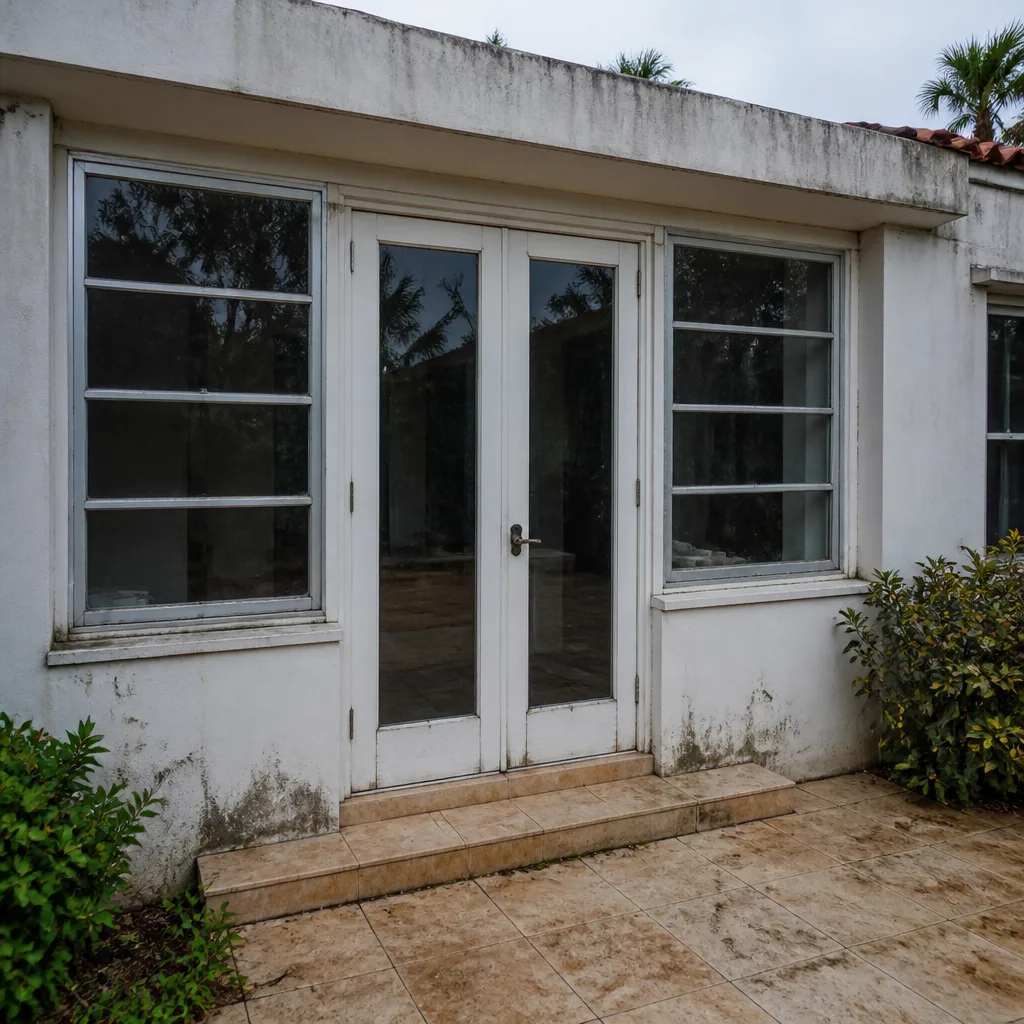 Before
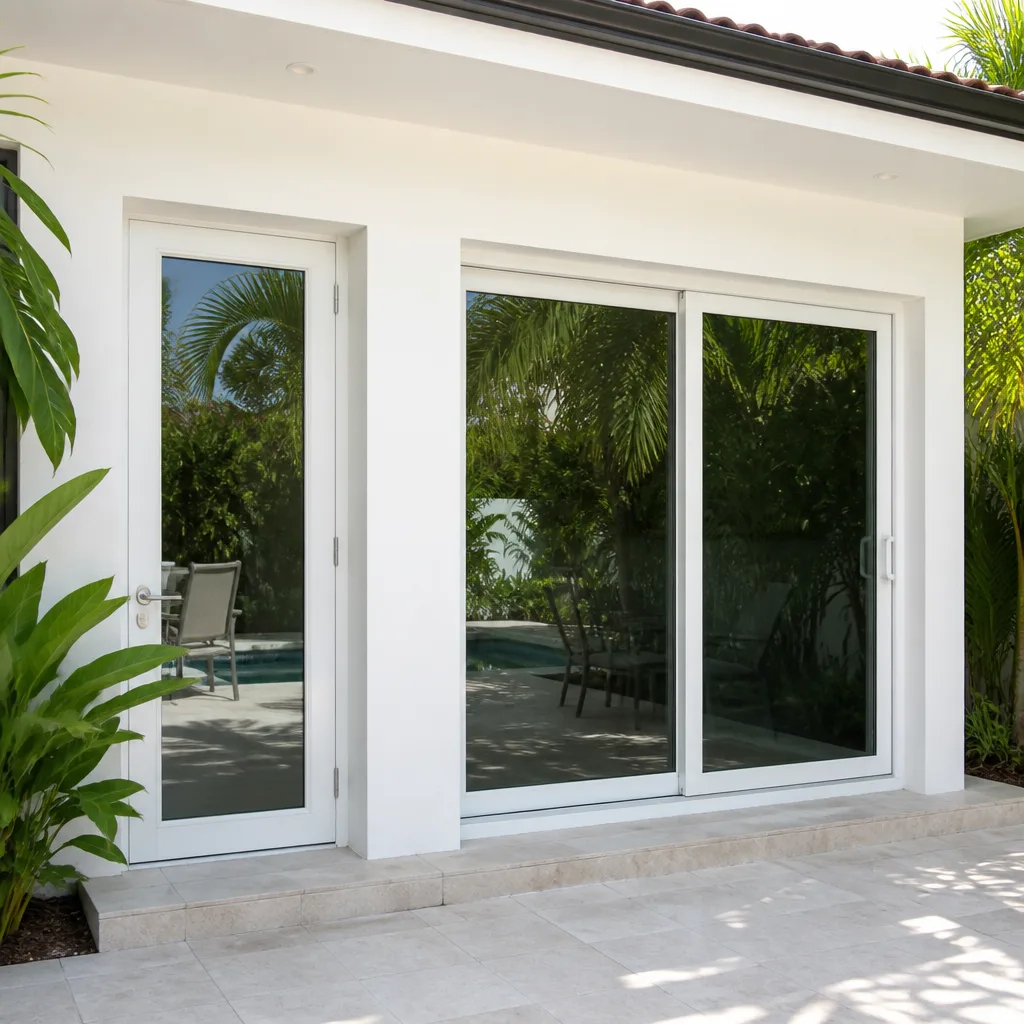 After
After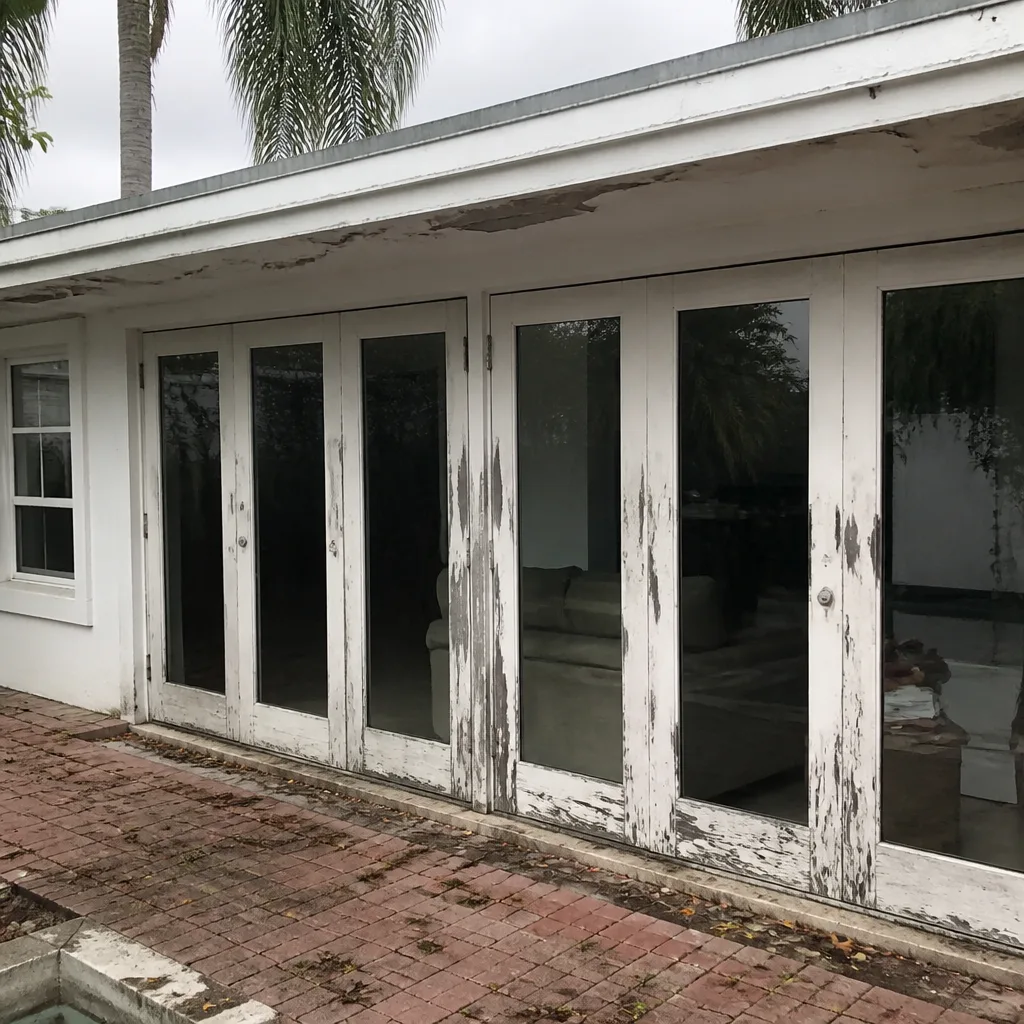 Before
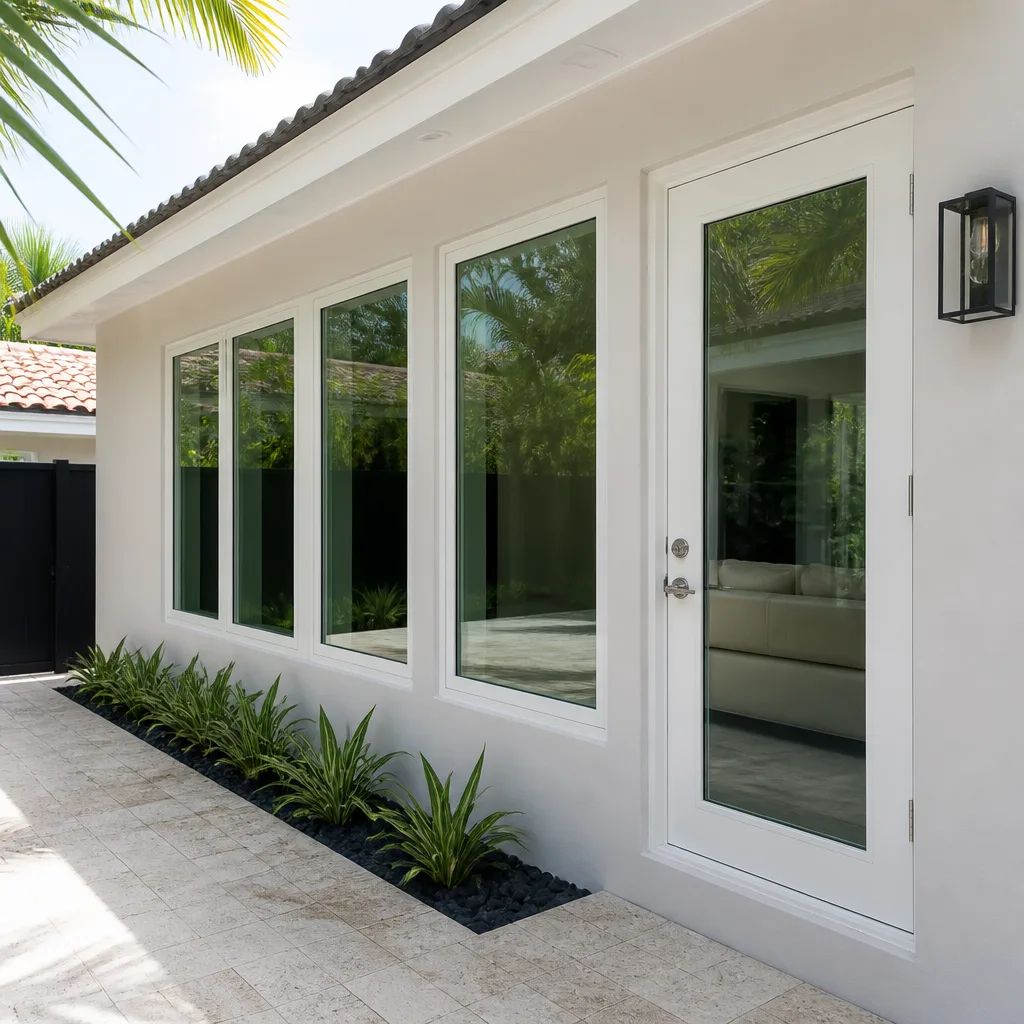 After
After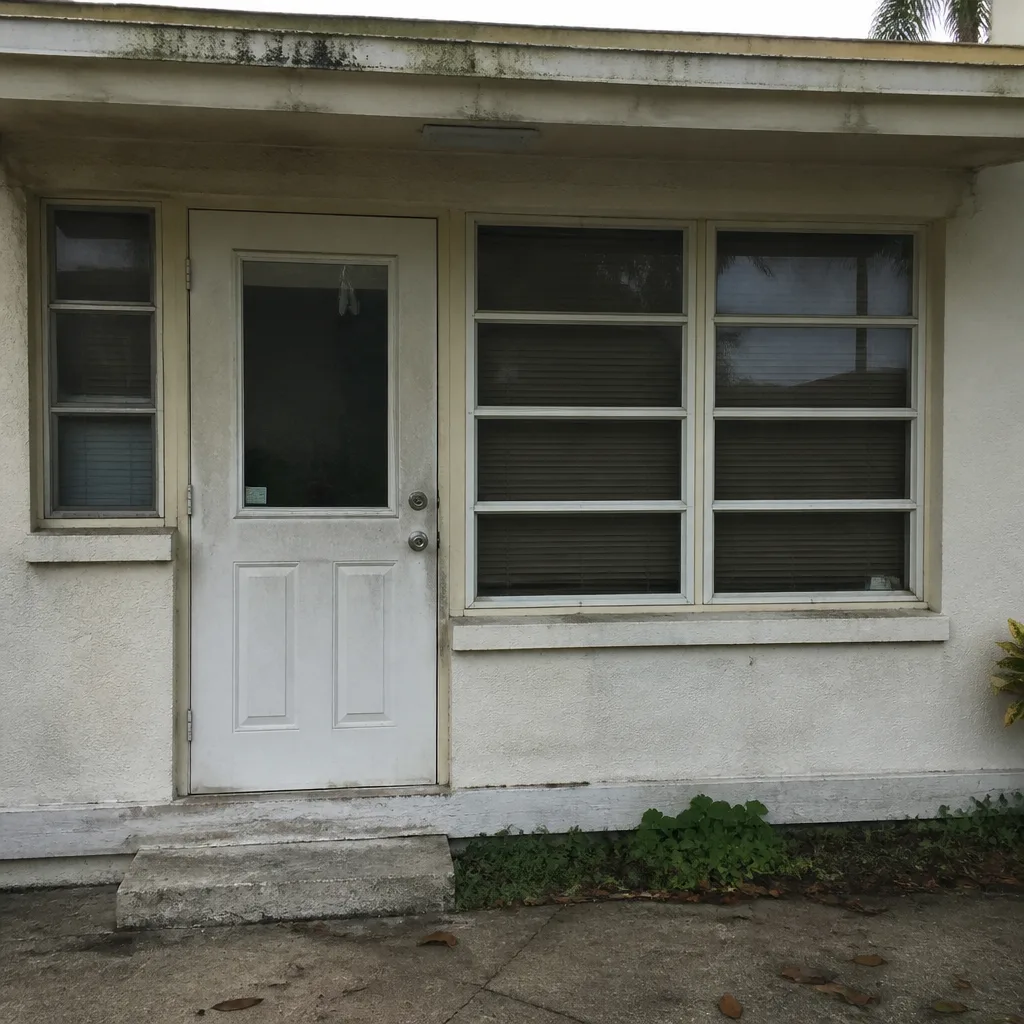 Before
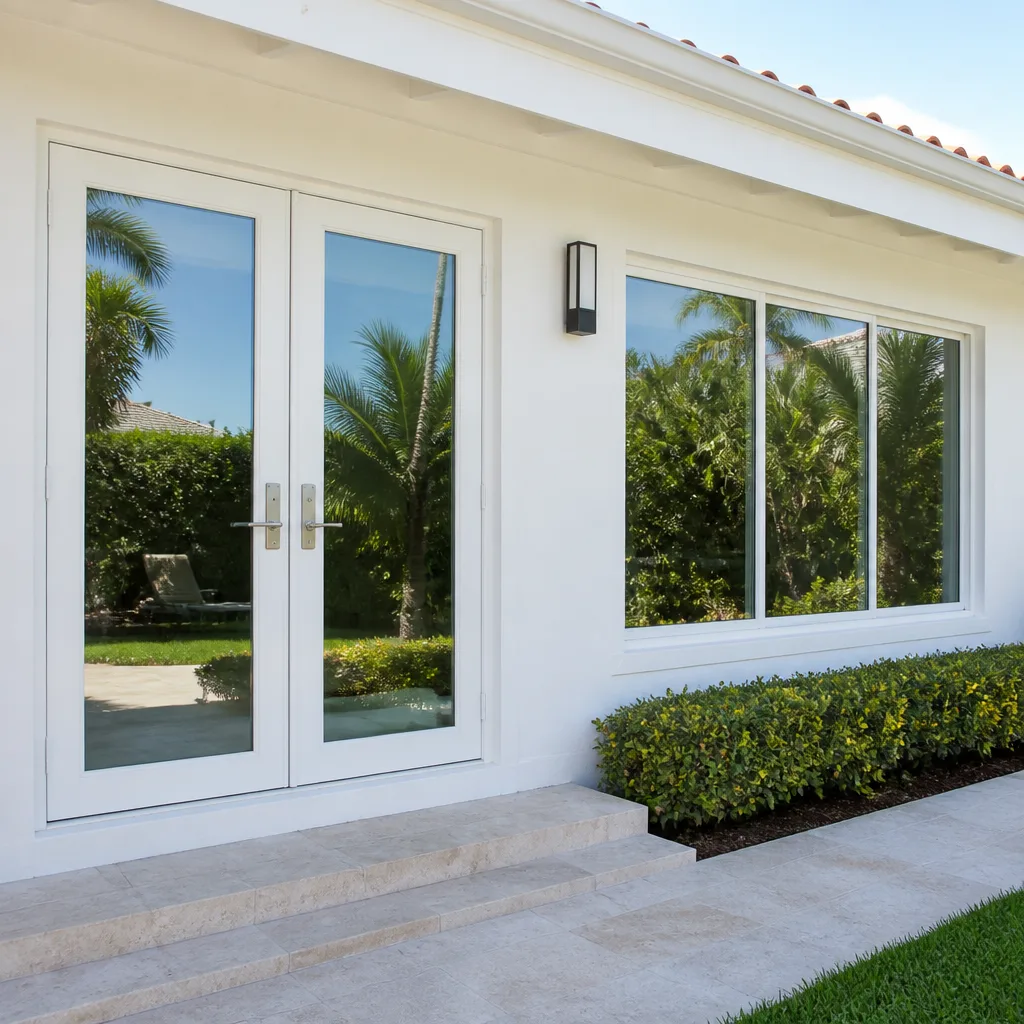 After
AfterImpact Windows Maintenance Checklist for Miami Beach Homeowners
A voided impact window warranty isn’t caused by the hurricane. It’s caused by the corroded sill hardware that was never cleaned, which the manufacturer flagged as owner neglect in the fine print. Most Miami Beach homeowners assume their impact windows are maintenance-free until a storm exposes the failure. The reality is different. Salt air, relentless UV, and 80% average humidity work on your windows every single day, even when the sky is clear. This guide-along with our Seasonal Windows & Doors Care for Miami Beach: Year-Round Homeowner’s Guide-shows you exactly what to check, what to clean, what to lubricate, and what to leave alone, so your PGT or CGI windows still perform when a Category 4 is sitting off the coast of Miami Beach.
Quick Answer
Impact window maintenance in Miami Beach comes down to a 20-minute quarterly routine: clear weep holes of salt and debris, inspect glazing seals for delamination, lubricate hardware with silicone-based products only, and run a fog test on insulated glass. The coastal environment accelerates corrosion on anodized aluminum frames and hardware, so skipping these steps shortens window life by years and can void your manufacturer warranty. Do a deeper inspection before hurricane season and again after any storm passes.
Table of Contents
- Miami Beach Weep Hole Protocol: Why Salt Crystals Are Your Window’s Worst Enemy
- How to Inspect PGT and CGI Glazing Seals Without Voiding the Warranty
- Coastal Hardware Lubrication: What to Use, What Destroys the Finish
- The Fog Test: Catching Thermal Seal Failure Before You See Condensation
- Pre-Hurricane-Season Inspection Checklist
- The Post-Storm Inspection Most Homeowners Skip (And Why It Protects Warranty Claims)
- Common Mistakes to Avoid
- When to Call a Professional
- Frequently Asked Questions
Miami Beach Weep Hole Protocol: Why Salt Crystals Are Your Window’s Worst Enemy
Every impact window frame has small drainage channels called weep holes at the bottom of the outer frame. Their job is simple: let water that gets past the weather stripping drain back outside instead of pooling inside the frame. In Miami Beach, these tiny openings have a harder job than almost anywhere else in Florida. The air carries salt from the Atlantic, and that salt doesn’t just sit on surfaces. It dissolves into the humidity, rides the air through your weep holes, and recrystallizes as the water evaporates. Within weeks, salt crystals build up inside the drainage channels. Within months, they form a crust that blocks the holes entirely.
Blocked weep holes mean standing water inside your frame. That water sits against the aluminum, and saltwater against aluminum is a galvanic reaction waiting to happen. We’ve opened frames in North Beach and Mid-Beach where the interior sill looked fine from the living room side, but the hidden drainage channel was pitted and corroded from salt water that never escaped. The frame corrodes from the inside out, and by the time you see the damage, the structural integrity of the frame is compromised.
Here’s the cleaning protocol we recommend for Miami Beach homeowners:
- Locate every weep hole. On PGT and CGI frames, they’re small slits or holes on the exterior bottom edge of the frame, usually two to three per window. On sliding doors, check the bottom track too.
- Clear visible debris with a soft brush or vacuum. Use a soft-bristle toothbrush or a vacuum with a narrow attachment. Never use anything metal. A wire poking through a weep hole can scratch the anodized coating, and once the coating is breached, salt corrosion accelerates dramatically.
- Check that water actually flows through. Pour a small cup of tap water into the bottom track from the interior side. Watch the exterior. Water should drain freely through the weep holes. If it pools or trickles slowly, the hole is partially blocked.
- Clear stubborn salt buildup with warm water. If water doesn’t flow, fill a small squeeze bottle with warm tap water and gently flush the weep hole from the outside. The warm water dissolves salt crystals without chemicals. Don’t use vinegar or acidic cleaners. They etch anodized aluminum.
- Repeat quarterly. In Miami Beach, salt accumulates fast. Once every three months is the minimum. If you live within two blocks of the ocean in South Beach or North Beach, consider doing this monthly. Airborne salt concentration drops off quickly with distance, but within 500 yards of the surf, it’s relentless.
A 10-minute weep hole flush every quarter is the single highest-return maintenance task you can do on impact windows in Miami Beach. It costs nothing, requires no tools, and prevents the most common cause of premature frame failure we see in coastal properties. If you’re unsure whether your weep holes are draining correctly, our impact window service in Miami Beach includes a drainage check on every visit.
How to Inspect PGT and CGI Glazing Seals Without Voiding the Warranty
Impact windows use laminated glass, and the lamination relies on a bonding layer between the glass and the frame. That bond is called the glazing seal. It’s not the same as the weather stripping you can see and touch. The glazing seal is structural. It holds the glass in the frame under wind load, and it keeps water from getting between the glass and the frame channel. When the seal fails, the glass can shift, water can seep behind the frame, and the window’s impact rating is compromised.
Here’s what Miami Beach homeowners need to understand clearly: inspecting the seal is fine. Touching it is not. The seal is inaccessible to the homeowner without removing the glazing bead or stopper, and doing so voids your PGT or CGI warranty. Most manufacturers spell this out explicitly. If you remove the glass stop or attempt to re-seal a window yourself, PGT will deny a subsequent warranty claim for that unit. So the inspection is visual and diagnostic only.
What to look for, without touching the seal itself:
- Gaps between the glass and the frame. Run your eye along the perimeter where the glass meets the frame. The gap should be uniform. If it’s wider on one side, narrower on the other, or you can see daylight through a gap, the glass may have shifted. Call a professional before the next storm.
- Exterior sealant cracking or pulling away. The exterior perimeter of the glass typically has a bead of sealant or a gasket. In Miami Beach salt and UV, that bead degrades faster than inland. Look for hairline cracks, crusty texture, or sections that have pulled away from the frame. This is a repairable issue, and early repair prevents water intrusion that reaches the structural seal behind it.
- Interior condensation that won’t wipe away. If fog is on the inside of the room-side glass, it wipes off. If it’s between the panes, it won’t. That’s a seal or gas-fill failure, covered later in the fog test section.
- Discoloration or white haze at the glass edge. This is often the first visible sign of delamination in laminated glass. The interlayer between the two pieces of glass starts to separate at the edge. In high-humidity coastal environments, this happens faster because moisture attacks the edge seal. If you see a milky border working its way inward from the edge, document it with photos and call the manufacturer or a certified dealer.
We’ve seen homeowners in Miami Beach ignore edge haze for a year because the window “looked fine from across the room.” By the time they called, the delamination had spread six inches inward and the unit needed full replacement under warranty. Early documentation is everything. Take photos at the first sign of edge haze, note the date, and contact the manufacturer. PGT and CGI both have warranty departments that want to hear about this early, because early repair costs them less than full unit replacement.
Coastal Hardware Lubrication: What to Use, What Destroys the Finish
Impact window hardware in Miami Beach lives in one of the most corrosive environments in the continental U.S. Hinges, locks, and crank mechanisms on casement and awning windows are typically stainless steel or coated steel, but the coatings wear thin over time. Salt spray and humidity then attack the metal underneath. The result is stiff operation, squeaking, and eventually seizing. A window that won’t close and lock is not a window, it’s a hole in your hurricane protection.
The right lubricant makes a real difference. The wrong lubricant does permanent damage. Here’s what we recommend, based on years of servicing windows across Miami Beach, from South Pointe to Bal Harbour:
Use these:
- Silicone spray lubricant (dry type). This is the default choice for window hardware. It dries clean, doesn’t attract sand and salt, and won’t damage anodized finishes. Look for a spray labeled “dry silicone” or “silicone lubricant.” Spray hinges, pivot points, lock mechanisms, and sliding tracks. Wipe off excess.
- White lithium grease (sparingly, on hinges only). For heavy casement window hinges that feel stiff, a small dab of white lithium grease on the hinge pivot points helps. It’s thicker and lasts longer than silicone. But use it sparingly. It attracts grit, and in Miami Beach, grit means sand and salt crystals.
- Teflon or PTFE spray. Another good option. It lubricates without leaving a sticky residue. Some products combine PTFE with silicone for a longer-lasting dry coat.
- Graphite powder (for keyed locks only). Keyed window locks benefit from powdered graphite. It won’t gum up the keyway the way spray lubricants can. Never use graphite anywhere it could get on the frame. Graphite dust on anodized aluminum leaves permanent gray smears.
Never use these on impact window hardware:
- WD-40. It’s a water displacer, not a lubricant, and it leaves an oily film that attracts sand, salt, and grime. On anodized aluminum, the petroleum distillates dull the finish over time. We’ve stripped WD-40 residue off SoFi and Mid-Beach windows where homeowners used it quarterly for years, and the original anodized sheen never fully returned.
- Any penetrating oil. PB Blaster, Liquid Wrench, Kroil. These are for loosening rusted bolts, not for maintaining window hardware. They’re harsh on finishes and attract contamination.
- Petroleum jelly or grease. It collects sand from the beach air. Within months, hinges packed with Vaseline become grinding paste.
- Bathroom or kitchen spray cleaners with bleach. Bleach and aluminum are a bad combination. Bleach breaks down the anodized layer. Many homeowners use bleach-based sprays to kill mold on window frames, not realizing they’re accelerating the frame’s demise. Use a mild soap and warm water instead, then dry thoroughly.
Lubrication schedule for Miami Beach: every six months, minimum. If you live directly on the water in North Beach or South of Fifth, do it quarterly. A quick spray on hinges, locks, and tracks takes 10 minutes. The windows operate like new, and the hardware lasts years longer. If you’re doing a full window installation project, ask the installers to lubricate all hardware before they leave. It should be part of the job.
The Fog Test: Catching Thermal Seal Failure Before You See Condensation
Insulated impact glass units have an air space between the two panes. That space is sealed, and often filled with argon gas to improve energy efficiency. The seal around the edge of that space is called the thermal seal. When it fails, moisture from the humid Miami Beach air gets pulled into the space between the panes. It starts slowly, as invisible water vapor, long before you ever see fog or condensation.
The fog test is a way to catch thermal seal failure early, before visible condensation appears, while the window is still under warranty. Here’s how it works:
- Wait for a cool morning or run the AC cold overnight. The interior glass surface needs to be cooler than the outside air. In Miami Beach, where mornings are often warm and humid, the best time is usually just after sunrise, or after running the AC on a humid night.
- Examine the inner surface of the exterior pane. This is the surface you can’t touch from inside. It’s the inside face of the outer piece of glass. If the thermal seal is intact, this surface stays clear and dry because the sealed air space is dry.
- Look for a faint haze or micro-condensation. A healthy window shows nothing on that inner surface. A failing thermal seal shows a light fog, a oily film, or tiny water droplets spread evenly across the glass. This is not the same as outside condensation on the exterior face, which is normal in Miami Beach on humid mornings.
- Run a blow dryer along the edge, from the inside. Hold a hair dryer 4 to 6 inches from the glass and warm the edge of the window on the room side. If the interior fog or haze clears, the problem is simply surface condensation from indoor humidity. If the fog is between the panes, the heat from the dryer won’t reach it, and it won’t clear. That’s your answer.
- Compare all windows on the same wall. Thermal seal failure often follows a pattern. Windows on the east and south sides of a Miami Beach home get full morning sun, which causes more thermal expansion and contraction. These units fail first. If one window between the panes shows haze and the others don’t, that’s not a humidity problem, it’s a failed seal.
A failed thermal seal doesn’t compromise the impact rating of the glass. The laminated layer is separate from the insulated air space. But it does compromise energy efficiency, and it will eventually fog permanently, which looks terrible and blocks your ocean view. Most manufacturers cover thermal seal failure under warranty for 10 years or more. The key is documenting it early, while the haze is still subtle. If you catch it in the first year or two, you likely get a free replacement unit. If you wait until the window is visibly fogged for two years, you might be outside the warranty window. We tell every Miami Beach customer: run the fog test before hurricane season every year, and call us if you see anything unusual. A window replacement in Miami Beach is cheaper when the manufacturer pays for it.
Pre-Hurricane-Season Inspection Checklist
Hurricane season in Miami Beach runs June 1 through November 30, but the serious preparation window is April and May. The peak of the Atlantic season is late August through mid-October, and if you wait until a storm is in the cone to inspect your windows, you’re competing with every other homeowner in Miami-Dade County for parts and service. Here’s the pre-season checklist we recommend to every customer:
- Run the weep hole flush described above. Every window, every sliding door. In May, before the first storm. Salt from the winter and spring should be flushed out so drainage works when the heavy rains come.
- Test every lock and handle. Open and close every window fully. Lock and unlock each one. If any window is stiff, loose, or won’t lock properly, fix it now. A window that won’t lock is a window that can be pulled open by wind pressure.
- Check all exterior caulking and sealant. Walk around the exterior of the house and inspect the perimeter sealant around every window and door. Miami Beach UV light is brutal on sealant. It cracks, shrinks, and pulls away from the frame. Failed exterior sealant doesn’t just leak water. It gives wind-driven rain a path behind the frame, which can reach drywall and insulation.
- Inspect the glazing gaskets for any visible gaps or tears. The gasket sits between the glass and the frame on the exterior side. Look for sections that have pulled out, torn, or cracked. A damaged gasket can allow water intrusion at the glass edge.
- Run the fog test on every insulated unit. Check for haze between the panes. Document anything suspicious with photos.
- Lubricate all hardware. Silicone spray on hinges, locks, and cranks. This is the time to do it, not in October when a storm is bearing down.
- Verify all window labels are legible. Impact-rated windows carry a label or etching with the manufacturer name, glass type, and impact rating. These labels fade in Miami Beach sun. Take photos now, while they’re still legible, and store the photos digitally. If you ever need to make a warranty claim or prove compliance to an insurance company or building inspector, those photos are gold.
- Check window screens. Screens don’t protect against storms, but they’re part of the window system. Torn screens allow insects in, and in Miami Beach, that matters. Screen frames also plug into the same frame channels as weather stripping, and bent screen frames can deform the channel.
This full checklist takes about two hours for a typical Miami Beach home with 10 to 15 windows. It’s the most valuable two hours of home maintenance you’ll do all year. If you’d rather have a professional do it, our team offers our Impact Windows services in Miami Beach with over a decade of experience, and every visit comes with a written line-item report.
The Post-Storm Inspection Most Homeowners Skip (And Why It Protects Warranty Claims)
After a hurricane passes, most Miami Beach homeowners stand on their balcony, sigh with relief that the windows held, and go back to normal life. That relief is often premature. Impact windows are engineered to take a hit from a 2×4 at 50 feet per second and survive. But “survive” doesn’t mean “unaffected.” The same window that protected your living room from a Category 3 storm may have suffered damage you can’t see from across the room. And here’s the part most people don’t know: manufacturer warranties often require prompt inspection and reporting after a storm event. Wait six months to report damage, and the manufacturer may argue it wasn’t storm-related, or that the delay voided the claim.
The post-storm inspection checklist:
- Wait until the storm has fully passed and it’s safe to go outside. Wind gusts can persist for hours after rain stops. Don’t inspect the exterior during any active weather.
- Photograph every window from inside and outside before cleaning anything. Debris, salt spray marks, leaf impact smudges, everything. These photos document the condition immediately post-storm, which is critical for any future warranty claim. In the weeks after a hurricane, memory fades and evidence washes away.
- Inspect the exterior glass surface for pitting or small chips. Wind-driven sand and small debris can pit the glass surface. Minor pitting doesn’t usually compromise the window, but it should be documented. Larger chips or star cracks need professional evaluation. Even if the window looks intact, a crack at the edge can spread when the next storm loads the glass.
- Run the fog test again. Storm pressure cycling can accelerate thermal seal failure in units that were already marginal. A unit that looked normal in May might show haze after a direct hit in September.
- Check the frame for any movement. Run a level across the top and sides of each frame. Press on the frame corners. A window that shifted in the rough opening might operate normally but be out of square. That compromises the impact rating, because the glass is now unevenly loaded against the frame.
- Test every lock and handle operation. Debris and salt spray work into the hardware during a storm. Locks that were smooth in August might be stiff in October. Lubricate and test each one.
- Flush the weep holes again. A hurricane pushes salt water and debris into every drainage channel. The weep hole flush is the single most important post-storm task. Blocked weep holes after a storm mean salt water sits inside the frame, accelerating corrosion all winter.
- Check the caulking and sealant for storm damage. Debris impact can crack sealant even when the glass survives. Any damaged sealant should be repaired before the next rain event.
This post-storm checklist takes 60 to 90 minutes. Most homeowners skip it entirely, and we see the consequences in Miami Beach every fall. Six months after a storm, frames are corroding, windows are fogging, and warranty claims are being denied because the damage was never documented. After any sustained storm event, do the checklist. If you find anything concerning, call us. We do post-storm inspections in Miami Beach, and we know exactly what manufacturers ask for when you file a claim.
Common Mistakes to Avoid
- Using a pressure washer on window frames from close range. High-pressure water forces its way past weather stripping, into weep holes, and behind exterior sealant. In Miami Beach where salt is already attacking the frame, adding water pressure behind the frame accelerates corrosion. Use a garden hose with a spray nozzle instead.
- Painting over weep holes or caulking them shut. We see this regularly on Miami Beach condos and single-family homes where a well-meaning painter caulked every gap on the exterior. Weep holes are not a mistake. If water can’t drain, it sits inside the frame and corrodes it from within.
- Using oil-based lubricants on hinges and tracks. WD-40 and penetrating oils attract sand and salt, creating grinding paste on moving parts. Silicone or PTFE only.
- Removing the glazing bead or stop to “check the seal.” This voids the PGT or CGI warranty on that unit. The glazing seal is not accessible without disassembly, and disassembly is a professional job. If you suspect seal failure, call before you touch anything.
- Ignoring fog that comes and goes. Intermittent fog between the panes, which appears in the morning and clears by afternoon, is still a failed thermal seal. The moisture is there, the temperature cycle just hides it. Document it early and file the claim while the warranty is active.
- Waiting until a storm is in the cone to schedule service. By the time a hurricane enters the Gulf, every window company in Miami Beach is booked for weeks. Pre-season inspections happen in April and May, when schedules are open and parts are available.
- Believing impact windows are maintenance-free. They’re lower maintenance than standard windows, but the label is lifetime, not zero-maintenance. The glass needs cleaning, the hardware needs lubrication, and the weep holes need flushing. Skipping maintenance is the leading cause of premature failure we see in Miami Beach.
When to Call a Professional
Most of this checklist is DIY-friendly. But some situations require a trained eye and the right tools. Call a professional if you see any of the following: star cracks or edge cracks in the glass, a window that has shifted in its frame, edge haze that spans more than an inch, exterior sealant that has pulled away completely, a window that won’t operate or lock at all, or fog between the panes that’s visible from across the room. These are not cosmetic issues. They affect the window’s structural performance, and in a Miami Beach hurricane, structural performance is the whole point. Winslow Windows & Doors offers free estimates in Miami Beach, and we’ve been inspecting and repairing impact windows here since 2011. Call (863) 656-0462 and Ed or one of our team will be there. No call centers, no voicemail loops. A real person answers the phone, every time.
Frequently Asked Questions
Clean the glass and frames every 8 to 12 weeks, and flush the weep holes at least quarterly. If you live within two blocks of the ocean in South Beach or North Beach, salt accumulation is heavier, and monthly weep hole flushing is wise. The glass itself tolerates soap and water, but the frame needs gentle cleaning with a mild detergent and a soft cloth. Nothing abrasive, nothing acidic.
Silicone spray is the best lubricant for impact window hardware in Miami Beach. It dries clean, doesn’t grab sand, and doesn’t damage anodized aluminum. Avoid WD-40 and any penetrating oil. For keyed locks, use powdered graphite. Lubricate hardware every six months, or quarterly for oceanfront properties.
No. Fog between the panes means the sealed air space has failed, and there’s no DIY repair. The unit needs replacement glass or a full replacement unit, depending on the frame condition. The good news is that most manufacturers cover thermal seal failure under warranty for 10 years or more. Document the fog with photos, note the date, and contact a certified dealer before the warranty runs out.
Yes, and it’s more aggressive in Miami Beach than almost anywhere on the East Coast. Salt water accelerates corrosion on anodized aluminum frames and hardware. The damage happens from the inside of the frame, not just the visible exterior, when blocked weep holes trap saltwater inside the drainage channels. This is why quarterly weep hole flushing is the most valuable maintenance task for Miami Beach impact windows.
Well-maintained impact windows in Miami Beach typically last 20 to 30 years. The laminated glass itself rarely fails from age. What fails are the seals, hardware, and frames when maintenance is skipped. Salt corrosion, UV degradation of sealant, and blocked drainage channels are the big three killers. A 20-minute quarterly routine extends product life by 5 to 10 years on average.
Typically not. Maintenance is the homeowner’s responsibility, and both insurers and manufacturers expect documented maintenance records. What insurance covers is storm damage, not neglect. If a window fails and the manufacturer finds evidence of neglect, such as badly corroded hardware or blocked weep holes, they can deny the warranty claim. The insurer may then question whether the failure is storm-related at all. Keep records of your maintenance, and document everything with photos. If you’re having trouble collecting on a damage claim, call (863) 656-0462 and we’ll help connect you with the right information.
The Bottom Line
Impact windows are engineered for storms, but they live in Miami Beach salt air every day of the year. The difference between a window that lasts 15 years and one that last 30 is usually not the brand or the installer. It’s whether the homeowner flushed the weep holes, lubricated the hardware, and documented seal issues before they became structural. The quarterly routine in this guide takes 20 minutes and costs almost nothing. Skipping it costs thousands. If anything looks wrong, or if you want trained eyes and a written report before hurricane season, call (863) 656-0462. Winslow Windows & Doors has been serving Miami Beach since 2011, and we back every inspection and every repair with the 36500-Day Done Right Promise. The one down the road.
Written by Ed Winslow, Owner at Winslow Windows & Doors, serving Miami Beach since 2011.
Six Reasons Homeowners Choose Winslow Windows & Doors
Impact systems engineered to design pressures up to +/-100, matched to your wind zone - your openings hold when the storm arrives.
Low-E insulated impact glass from our manufacturer lines commonly cuts monthly cooling bills 20-30%.
Laminated impact glass shuts out up to 40% of outside noise - traffic, neighbors, weather.
Monitoring services run $30-90 a month. Laminated impact glass resists forced entry around the clock, with no subscription.
Florida homeowners average around 25% savings on the windstorm portion of their policy after protecting every opening - some homes qualify for more.
A full impact package upgrades curb appeal, buyer confidence and appraised value in one project.