
Free in-home measure and quote - PGT, CGI and CWS impact lines compared on your actual openings, style by style
Sliding glass doors
PGTCGI
 Before
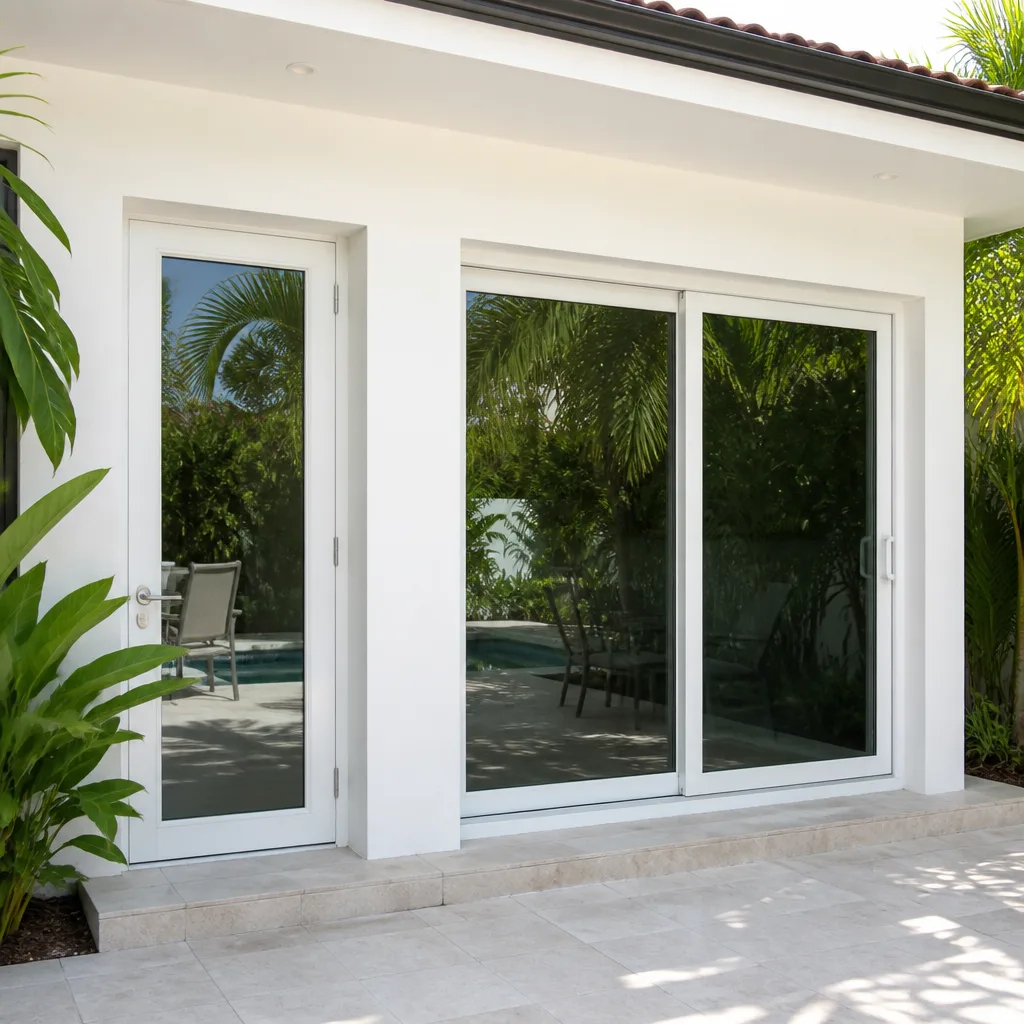 After
After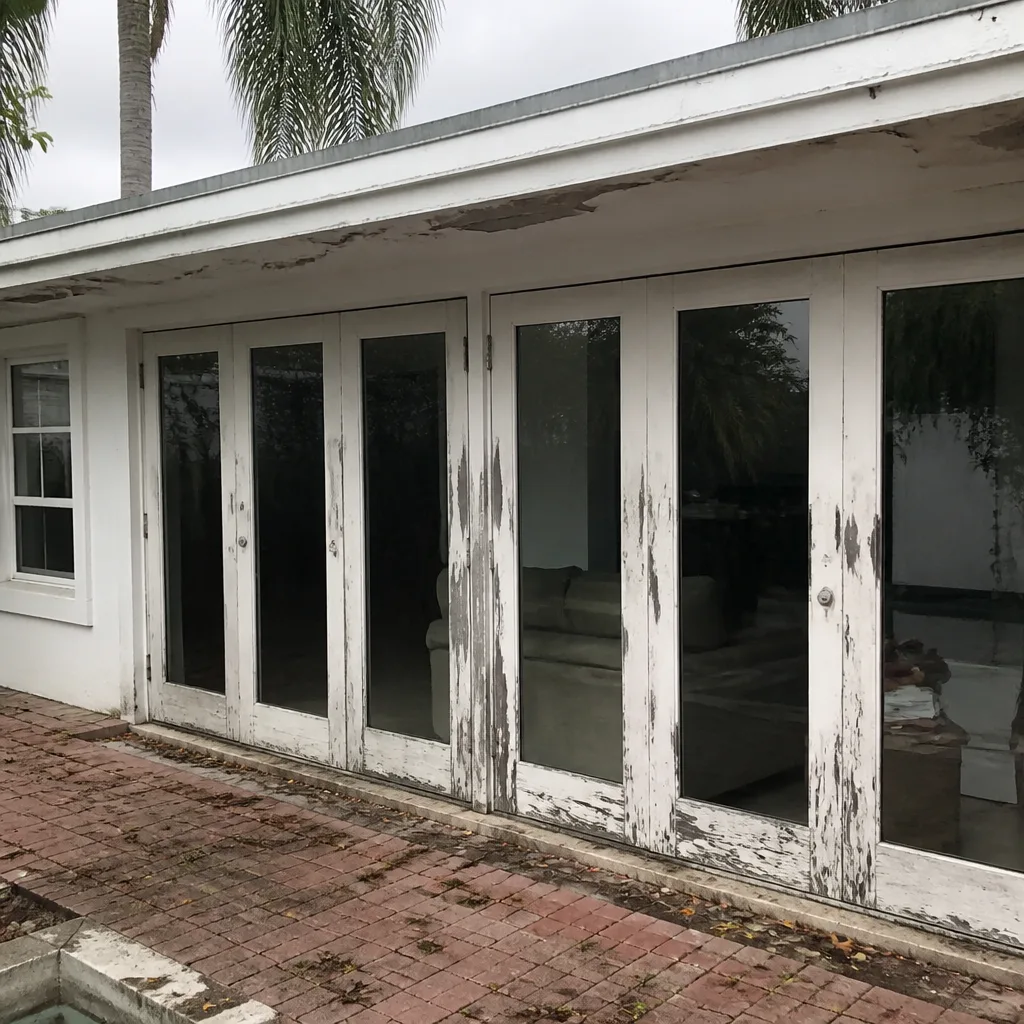 Before
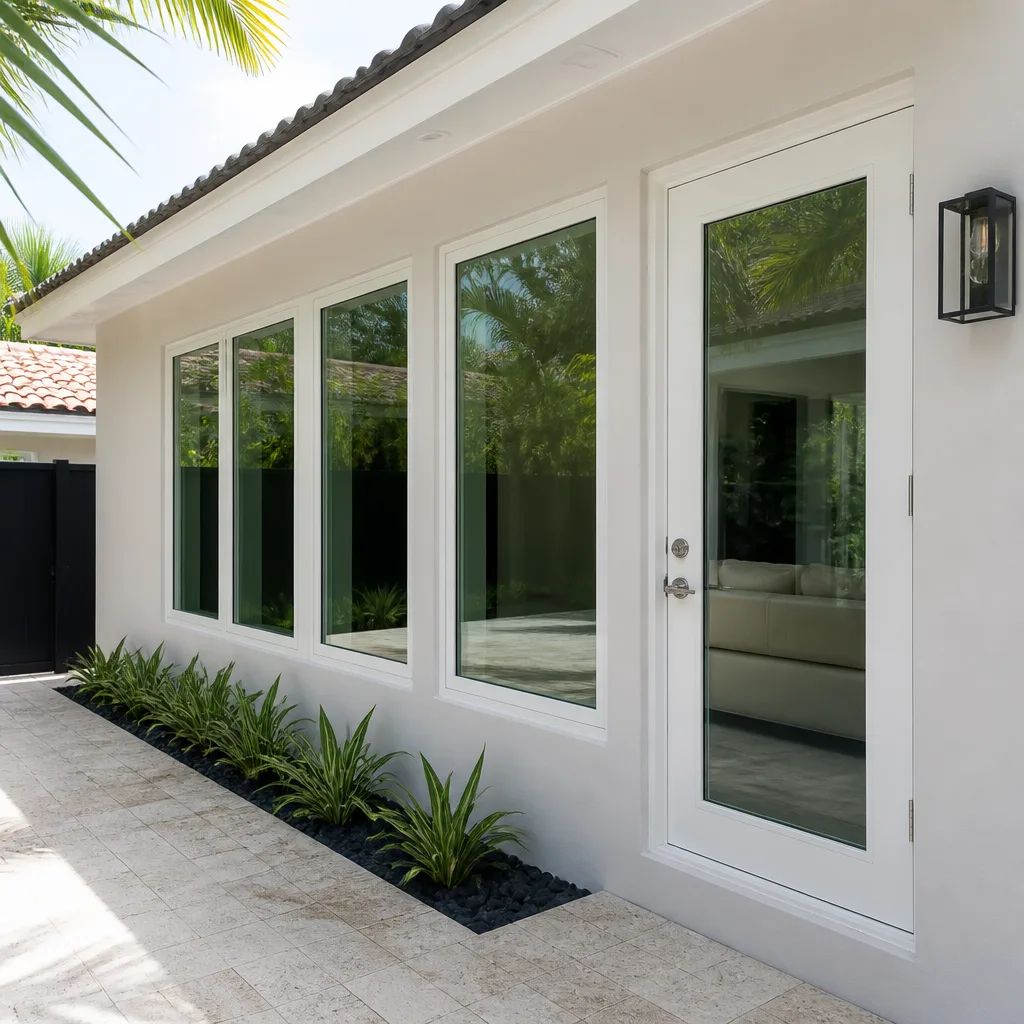 After
After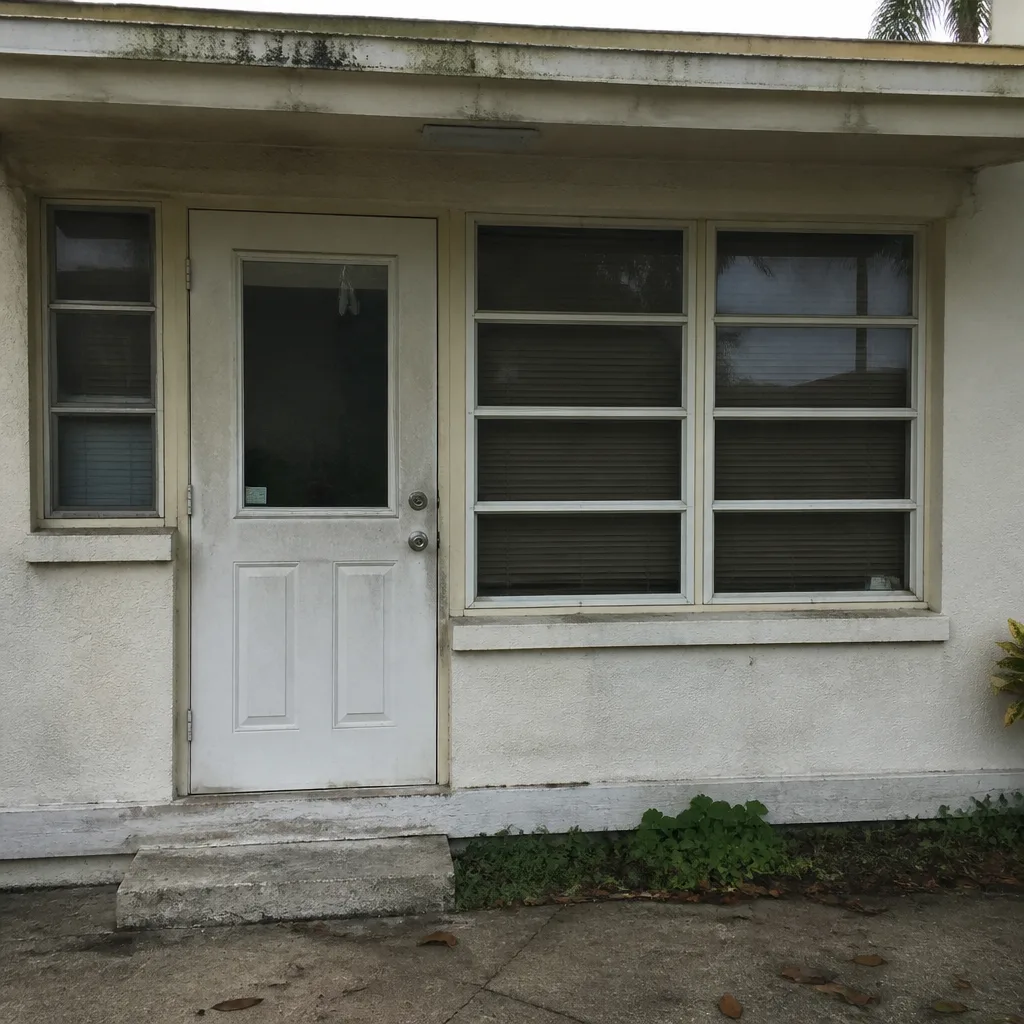 Before
 After
AfterWindow Energy Audits & Ratings in Miami Beach, FL
A window energy audit in Miami Beach is a professional assessment that measures how much heat, humidity, and conditioned air your existing windows are letting escape – and assigns each window a performance rating based on solar heat gain, air leakage, and insulation value. Most Miami Beach homeowners who schedule one discover at least one window that is costing them $30 to $80 extra per month in cooling costs alone. If your FPL bill climbs every summer and you’re not sure why, this is the right place to start.
At Winslow Windows & Doors, Ed Winslow has been performing window energy assessments across Miami Beach since 2011. We’re locally owned, state-licensed, and insured – and when you call (863) 656-0462, a real person picks up, any hour of the day. Our Energy-Efficient Windows in Miami Beach service begins with exactly this kind of audit, because replacing windows without knowing what’s actually failing is just guessing with your money.
When You Need Window Energy Audits & Ratings
Miami Beach’s climate is punishing on windows in ways that most of the country never deals with. Salt air corrodes seals. High humidity finds every gap. And from June through November, intense solar radiation drives heat gain through glass faster than almost anywhere else in Florida. Here’s when a window energy audit makes sense:
- Your cooling bill has crept up year over year – even with the same thermostat setting. This is one of the most reliable signs that window seals or glazing have degraded and are letting conditioned air escape into the Miami Beach heat.
- You feel radiant heat near windows even with the AC running. In neighborhoods like South of Fifth or the Mid-Beach corridor, west-facing windows on older condos and single-family homes can raise room temperatures noticeably by mid-afternoon if the solar heat gain coefficient is too high.
- Condensation is forming on the inside surface of your glass. In Miami Beach’s humidity, this usually signals a failed insulated glass unit – the argon or air fill between panes has been compromised, and the thermal performance is gone.
- You’re planning a replacement but want to know which windows are actually failing. Not every window in a home fails at the same rate. An audit tells you where to spend first instead of replacing everything at once.
- You’re applying for a Miami-Dade or Florida energy rebate. Several utility and state programs require documented performance ratings – specifically NFRC (National Fenestration Rating Council) data – before they’ll approve a rebate or credit.
- Your home inspector flagged window performance during a sale or refinance. This is increasingly common in Miami Beach’s active real estate market, and a formal audit with documented ratings gives buyers and lenders something concrete to work with.
Our Window Energy Audits & Ratings Process
We don’t hand you a generic checklist. Ed Winslow developed this process specifically for South Florida’s coastal environment, where the combination of salt air, tropical humidity, and intense UV exposure creates failure patterns you won’t find in a textbook written for Atlanta or Phoenix.
-
Pre-Visit Review of Your Utility History
Before we arrive, we ask you to pull 12 months of FPL billing data if you have it. Seasonal spikes in cooling load are one of the clearest signals of window performance degradation, and having that data lets us walk in knowing which months to ask about and which exposures (south-facing, west-facing) to prioritize.
-
Visual Inspection and Seal Integrity Check
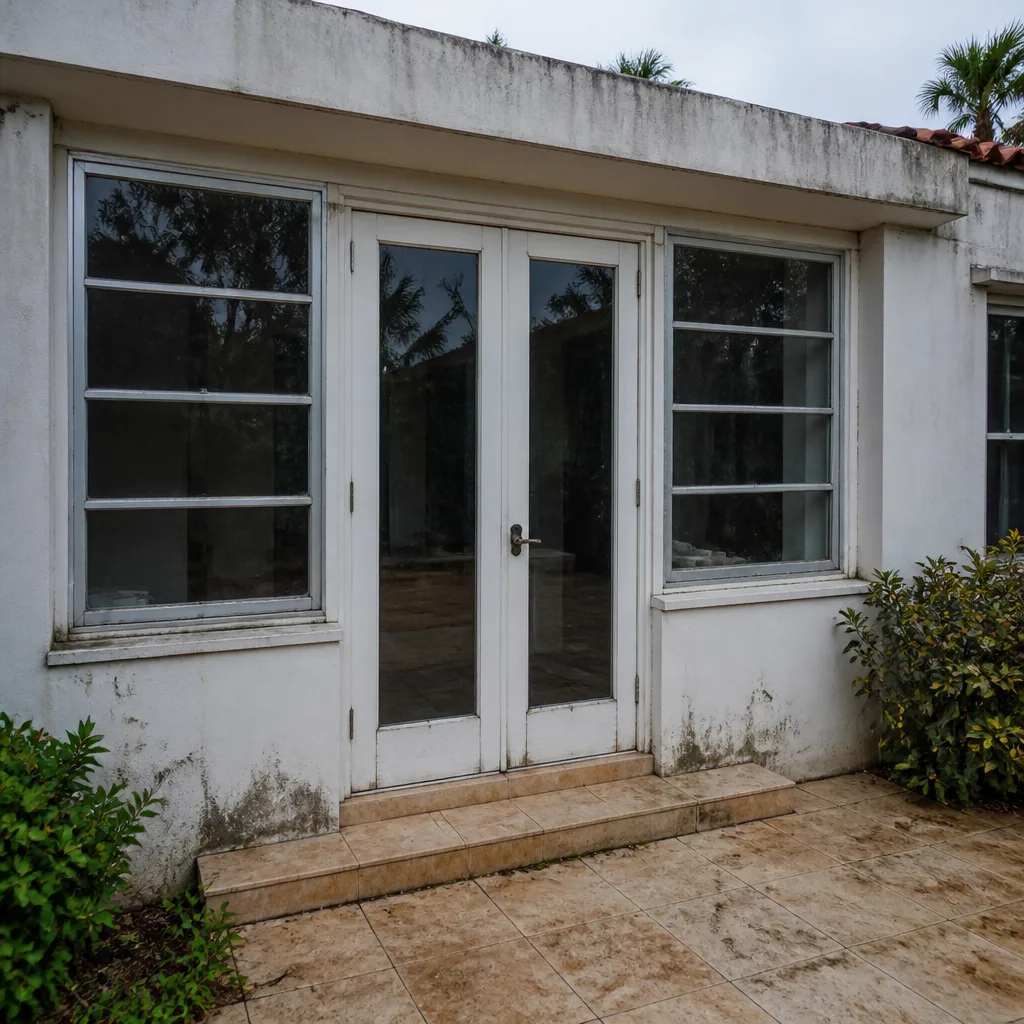
We examine every window frame, glazing bead, weatherstripping, and sill for physical evidence of failure – fogging between panes, cracked or missing seals, corroded hardware, and frame separation. In Miami Beach’s salt-air environment, aluminum frames from the 1980s and 1990s often show oxidation that compromises the seal long before the glass itself fails.
-
Thermal and Air Leakage Assessment
Using thermal imaging and a calibrated air flow meter, we identify where conditioned air is escaping. This step frequently surprises homeowners in older Miami Beach properties – a window can look perfectly intact from the inside and still be bleeding air through a failed perimeter seal or a warped sash that no longer sits flush.
-
NFRC Rating Cross-Reference
We pull the NFRC certification data for your existing windows – if it’s available – and compare actual field performance against rated values. For windows that lack NFRC documentation (common in homes built before 2000), we note the gap and flag those units for priority review. This step is particularly important if you’re pursuing a Miami-Dade rebate or an insurance premium reduction for impact-rated glazing.
-
Solar Heat Gain and Orientation Analysis
Miami Beach gets roughly 3,000 hours of sunshine per year. We map your window exposures against compass orientation and shade availability to identify which units carry the heaviest solar load. A west-facing window in a home on Collins Avenue without adequate exterior shading can account for a disproportionate share of your total cooling load – and swapping it for a unit with a lower Solar Heat Gain Coefficient (SHGC) often delivers the biggest single-window return.
-
Written Report and Product Recommendations
You get a written summary of findings organized by window location, current estimated performance, and recommended action – repair, reseal, or full replacement. Where replacement makes sense, we specify products by brand and NFRC rating, including options like our Energy-Efficient Windows services. CGI and ECO Window Systems both manufacture lines with SHGC values below 0.25, which is what Miami-Dade County recommends for climate-optimized residential glazing. You’ll know exactly what we found, what we recommend, and what it will cost – upfront, in writing, before any work begins.
Window Energy Audits & Ratings Pricing in Miami Beach
A window energy audit for a typical single-family home or condo unit in Miami Beach runs between $150 and $400 depending on the number of windows, the age and accessibility of the units, and whether thermal imaging is included. Here’s a clearer breakdown:
| Audit Type | Typical Price Range (Miami Beach) | Notes |
|---|---|---|
| Basic visual inspection + written report (up to 10 windows) | $150 – $225 | Includes NFRC cross-reference where data is available |
| Full thermal imaging audit (up to 15 windows) | $250 – $350 | Recommended for homes built before 1995 or with FPL bill spikes |
| Large home or multi-unit audit (15+ windows) | $350 – $450+ | Priced per-unit for condos or multi-family properties |
| Second opinion on a written audit estimate | Free | Winslow provides free second opinions on any written estimate |
A few things affect where you land in those ranges. Homes in North Beach with older aluminum single-pane windows typically take longer to document than newer construction in South Beach with uniform window specs. Condo units with impact-rated glass already installed need a different assessment approach than free-standing homes. And if you’re within Miami-Dade County, there’s no trip charge – we come to you.
If the audit results in a window replacement job over $200, the $40 off any repair or replacement over $200 discount applies automatically. Seniors and veterans receive a permanent 10% discount on all work – no expiration, no paperwork hoops. Call (863) 656-0462 for an exact quote. Estimates are free, and someone will actually pick up.
Why Miami Beach Homes Need a Different Standard
Miami Beach sits on a barrier island. That detail matters more than most homeowners realize when it comes to window performance. Salt-laden air off Biscayne Bay and the Atlantic accelerates frame corrosion and seal degradation at rates that would surprise a contractor used to working in Central Florida or the Panhandle. Windows that would last 20 years in Orlando may need attention after 12 in Miami Beach.
The local building code reflects this. Miami-Dade County has some of the most stringent fenestration requirements in the country – products must pass Miami-Dade Notice of Acceptance (NOA) testing that goes well beyond standard ENERGY STAR Replacement Windows criteria. An audit from someone who knows the NOA product approval system and understands how it intersects with NFRC energy ratings is genuinely different from a generic home energy audit performed by someone who primarily works inland.
Ed Winslow has been working in this specific coastal environment since 2011. He knows what CGI impact windows look like after 10 years of exposure in a condo on Indian Creek. He knows what ECO Window Systems’ thermal performance data says versus what field conditions in August actually produce. And he knows which window failures in Miami Beach are worth repairing versus which ones are past the point where a reseal makes financial sense.
That local depth is what you’re paying for when you hire Winslow Windows & Doors – not a franchise formula, but someone who has seen these specific problems in these specific neighborhoods and can tell you what actually works here.
What Your Window Energy Ratings Actually Mean
NFRC ratings cover four main metrics. Understanding them helps you make better decisions about replacement products.
- U-Factor: Measures how much heat flows through the window overall. Lower is better. For Miami Beach, a U-Factor below 0.30 is the target for energy-efficient replacement windows.
- Solar Heat Gain Coefficient (SHGC): Measures how much solar radiation passes through the glass. This is the critical number in South Florida. Miami-Dade recommends an SHGC of 0.25 or lower for homes in the climate zone. Many older single-pane windows in Miami Beach have SHGCs above 0.60 – which means more than half of solar radiation hitting that glass is entering your home as heat.
- Visible Transmittance (VT): How much natural daylight the window lets in. Higher is generally better for livability, but there’s a real trade-off with SHGC in high-sun climates. Tinted or low-e coated glass manages this balance better than standard clear glass.
- Air Leakage (AL): Measured in cubic feet per minute per square foot. Lower is better. Windows rated at 0.30 or below are considered acceptable; high-performance units from brands like CWS often achieve AL ratings below 0.10.
When we deliver your written audit report, we express each window’s estimated current performance against these four metrics and flag where replacements would make the biggest measurable difference. You’re not left with vague language about “inefficient windows” – you get specific numbers tied to specific units.
The 36500-Day Done Right Promise
Ed’s name is on the door – and on every job we do. The 36500-Day Done Right Promise means that if something isn’t right with work Winslow Windows & Doors performs, we come back and make it right. No hedging, no reading the fine print to find an exclusion. That’s 100 years expressed as a number of days, because a promise that expires after a year isn’t much of a promise.
No national chain can make that commitment because no national chain has an owner whose personal reputation is tied to every job. Ed does. That’s the difference between a company with a slogan and a neighbor you can hold accountable.
Our audit reports are part of that promise. If we assess a window and recommend a course of action, we stand behind that recommendation. If we’re wrong, we fix it. That’s not marketing language – it’s how we’ve stayed in business in Miami Beach since 2011.
FAQs – Window Energy Audits & Ratings in Miami Beach
How much does a window energy audit cost in Miami Beach?
A window energy audit in Miami Beach typically costs between $150 and $400 for a residential property, depending on the number of windows and whether thermal imaging is included. Basic visual inspections with a written report start around $150 for homes with fewer than 10 windows. Full thermal audits for larger or older homes run $250 to $350. If you’ve already received a written estimate from another company, Winslow provides a free second opinion. Call (863) 656-0462 for an exact quote – it’s a free conversation.
Do I need a window energy audit before replacing my windows in Miami Beach?
An audit isn’t legally required before a replacement, but skipping it usually costs more in the long run. Without one, most homeowners replace all their windows at the same time even though typically only a portion are failing significantly. An audit identifies which windows are the worst performers and lets you prioritize spending. In Miami Beach, where impact-rated replacement windows with Insulated Laminated Glass run $800 to $1,800 or more per unit installed, knowing which ones to address first can save thousands. It also establishes a documented baseline for any Florida or utility rebate applications.
What SHGC rating should Miami Beach windows have?
Miami Beach windows should have a Solar Heat Gain Coefficient (SHGC) of 0.25 or lower. Miami-Dade County’s climate zone runs hot and sunny year-round, and SHGC is the single most important energy rating for reducing cooling costs in South Florida. Many homes in Miami Beach – particularly those built before 2000 – still have windows with SHGCs above 0.50, which means they’re admitting twice the solar heat gain that a properly rated replacement would. Products from brands like CGI and ECO Window Systems offer Low-E & Argon Gas Glass options with low SHGC that meet both NFRC standards and Miami-Dade NOA requirements.
Can a window energy audit help lower my homeowner’s insurance in Miami Beach?
Yes, in some cases. A documented audit that confirms your windows meet Miami-Dade’s impact and energy performance standards can support a wind mitigation inspection report, which in turn can qualify you for homeowner’s insurance discounts. Florida insurers have been tightening underwriting criteria in recent years, and verified impact-rated, energy-compliant windows are increasingly factored into premium calculations. The audit report we provide is written with this use case in mind – the ratings, product certifications, and condition assessments are documented clearly enough to hand directly to an insurance agent or inspector.
Key Takeaways
- Window energy audits in Miami Beach cost $150 to $400 depending on scope and include written NFRC performance ratings for each window.
- Miami Beach’s salt air, high humidity, and intense solar load degrade window seals faster than most Florida markets – making audits more valuable here than in inland communities.
- The most important single metric for Miami Beach homeowners is SHGC; the target is 0.25 or lower for meaningful cooling cost reductions.
- Winslow Windows & Doors provides free second opinions on any written estimate and applies a $40 discount on replacement jobs over $200.
- Ed Winslow has been assessing and replacing windows in Miami Beach since 2011 – this isn’t generic advice applied from a franchise manual.
- Every recommendation comes backed by the 36500-Day Done Right Promise: if it’s not right, we make it right.
Ready to Know What Your Windows Are Actually Doing?
If your FPL bill doesn’t add up, if you feel heat radiating through glass that looks fine, or if you’re planning a window replacement and want to spend where it counts most – a window energy audit is the right first step. Winslow Windows & Doors has been doing this work in Miami Beach since 2011. Ed’s name is on this business, and his standard for honesty about what you need – and what you don’t – is baked into every visit.
Call (863) 656-0462 to schedule your audit or ask a question. Someone picks up around the clock – no voicemail, no callback queue. Seniors and veterans receive 10% off all services, always. If you have a written estimate from someone else, we’ll give you a free second opinion. Upfront pricing. No surprises on the invoice. That’s how we do it.
You can also learn more about the full scope of our Energy-Efficient Windows in Miami Beach service, or visit our home page to see everything Winslow Windows & Doors covers across South Florida.
Written by Ed Winslow, Owner at Winslow Windows & Doors, serving Miami Beach since 2011.
Six Reasons Homeowners Choose Winslow Windows & Doors
Impact systems engineered to design pressures up to +/-100, matched to your wind zone - your openings hold when the storm arrives.
Low-E insulated impact glass from our manufacturer lines commonly cuts monthly cooling bills 20-30%.
Laminated impact glass shuts out up to 40% of outside noise - traffic, neighbors, weather.
Monitoring services run $30-90 a month. Laminated impact glass resists forced entry around the clock, with no subscription.
Florida homeowners average around 25% savings on the windstorm portion of their policy after protecting every opening - some homes qualify for more.
A full impact package upgrades curb appeal, buyer confidence and appraised value in one project.